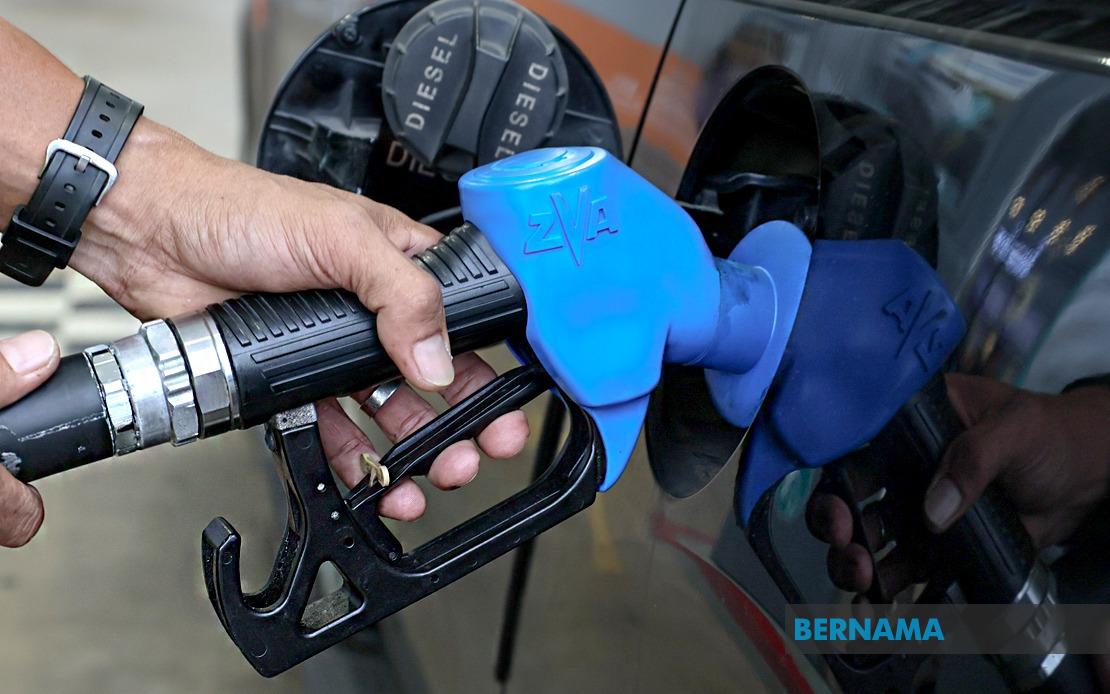
The government's decision to reduce subsidised diesel to RM2.10 per litre starting July promises meaningful relief across Malaysia's logistics networks, with economists expecting downstream benefits for consumers through lower goods prices. The initiative, which extends the BUDI MADANI RON95 subsidy mechanism to diesel through MyKad verification, represents a significant shift in how the government manages fuel price pressures across the nation. Prime Minister Datuk Seri Anwar Ibrahim's announcement comes as businesses increasingly cite fuel costs as a primary driver of price increases, creating a cascading effect on consumer expenditure.
The supply chain implications are substantial and immediate. Dr Nanthakumar Loganathan, an economics professor at Universiti Teknologi Malaysia's Faculty of Management, emphasises that most sectors in Malaysia's fundamental food distribution network remain heavily dependent on diesel costs, with transportation expenses flowing directly into retail pricing. By reducing the fuel cost component, businesses should theoretically lower their operational expenses, allowing them to absorb or pass on savings rather than continuing to raise prices. The most visible impact may appear in perishable goods transported via diesel-powered pickup trucks—particularly vegetables, fruits, and other fresh produce that require rapid distribution to markets.
Professor Loganathan notes that traders' associations must respond proactively to this opportunity, translating fuel savings into competitive pricing rather than allowing margins to expand unopposed. The success of this policy depends significantly on whether business operators genuinely reduce consumer-facing prices or simply improve profit margins at the expense of shoppers seeking relief. This tension between supply-side efficiency gains and consumer benefit remains a critical variable in assessing the policy's actual impact on cost-of-living pressures affecting households nationwide.
The uniformisation of diesel pricing across Peninsular Malaysia, Sabah, and Sarawak represents a deeper structural reform with implications for regional equity and subsidy administration. Previously, Sabah and Sarawak enjoyed diesel at RM2.15 per litre while Peninsular Malaysia faced unsubsidised prices around RM4.37 per litre—a disparity rooted in geographical and logistical factors that made fuel distribution to East Malaysian states more costly. Dr Novel Lyndon, a political sociology professor at Universiti Kebangsaan Malaysia's Centre for Development, Social and Environmental Studies, frames this coordination as part of a broader government effort to standardise subsidy distribution and reduce leakages that have plagued targeted assistance programmes historically.
However, the policy presents genuine vulnerabilities in regions where diesel-dependent transport remains fundamental to livelihoods. Rural areas across Sabah, Sarawak, and Peninsular Malaysia rely heavily on diesel-powered vehicles for agricultural operations, fisheries, goods distribution, and essential mobility. If the government fails to implement effective targeted mechanisms ensuring vulnerable populations receive adequate assistance, operational cost pressures could intensify hardship in these communities. Dr Novel warns that higher transport costs may cascade through rural supply chains, ultimately burdening smallholder farmers, fishing communities, and micro-enterprises that lack negotiating power with larger suppliers.
The MyKad verification mechanism emerges as central to the policy's credibility and effectiveness. Dr Mohd Afzanizam Abdul Rashid, chief economist at Bank Muamalat Malaysia, identifies MyKad-based verification as a crucial tool for preventing subsidy diversion and fuel smuggling while ensuring resources reach intended beneficiaries. Previous experience with RON95 subsidy distribution through MyKad demonstrates the system's operational viability, though implementation challenges remain particularly in areas with digital connectivity limitations or populations unfamiliar with electronic verification processes. The mechanism theoretically enables comprehensive data collection on fuel consumption patterns, supporting evidence-based policymaking while deterring criminal exploitation of subsidised fuel.
The sustainability question looms large given volatile international oil markets. Dr Nanthakumar Loganathan acknowledges that if global oil prices surge, the government faces difficult budgetary choices regarding its capacity to maintain the RM2.10 rate without additional fiscal allocations. Securing alternative supply sources—potentially from Russia or non-Arab producing nations—represents one strategic response, though such arrangements carry geopolitical and currency risk considerations. Malaysia's vulnerability to oil price fluctuations suggests this policy functions best as a medium-term stabilisation measure rather than a permanent structural solution, necessitating parallel investments in transport electrification and efficiency improvements.
Public perception and government credibility remain inseparable from this policy's long-term success. Dr Novel emphasises that Malaysians will evaluate the diesel subsidy reduction not merely by examining fuel prices but by observing whether government savings translate into tangible improvements in infrastructure, healthcare, education, and living standards. Citizens seek evidence that fuel subsidy rationalisation genuinely benefits ordinary households rather than simply reducing government expenditure while maintaining consumer prices. This perception challenge extends beyond economics into questions of governmental trust and social contract—voters will assess whether the administration follows through on commitments to redirect savings toward public welfare.
The differential economic structures between East and West Malaysia demand careful policy calibration to prevent unintended regional disparities. Sabah and Sarawak developed under conditions of higher fuel subsidies due to geographical disadvantages; sudden price harmonisation risks disrupting business models and community expectations without corresponding support mechanisms. Dr Novel argues that successful implementation requires targeted assistance programmes specifically designed for rural and remote areas, along with transparent communication explaining policy rationale and transition support. Infrastructure investments—particularly in transport and distribution networks—should accompany subsidy changes to reduce long-term diesel dependency.
Women-headed households and low-income urban consumers may experience particularly acute pressure points. Transportation cost reduction benefits consumers primarily through goods pricing mechanisms, but the relationship between wholesale fuel costs and retail prices remains imperfect. Monopolistic or oligopolistic market structures in certain goods distribution sectors may prevent fuel savings from translating into consumer price reductions. Monitoring agencies must scrutinise whether businesses utilise this opportunity to genuinely lower prices or merely stabilise margins, protecting consumer interests during the transition period.
The broader policy architecture surrounding this diesel reduction requires examination. Subsidy targeting through means testing or digital verification systems inherently risk excluding vulnerable populations lacking formal identification or digital access. Ensuring that the policy's administrative mechanisms do not inadvertently create new barriers to fuel access remains a critical implementation consideration. Parallel initiatives addressing transport sector sustainability—encouraging modal shifts toward public transport, promoting electric vehicle adoption, and improving logistics efficiency—should complement diesel subsidy reforms rather than operating independently.
Moving forward, this initiative's success hinges on three interconnected factors: genuine consumer price reductions emerging from business-level savings, effective protection of vulnerable rural communities during the transition period, and government commitment to transparent communication about subsidy rationalisation outcomes. The policy signals willingness to reform subsidy architecture toward greater efficiency and targeted delivery, yet execution challenges remain substantial. Malaysian policymakers must balance fiscal prudence with social protection while maintaining regional equity across this geographically and economically diverse nation.

