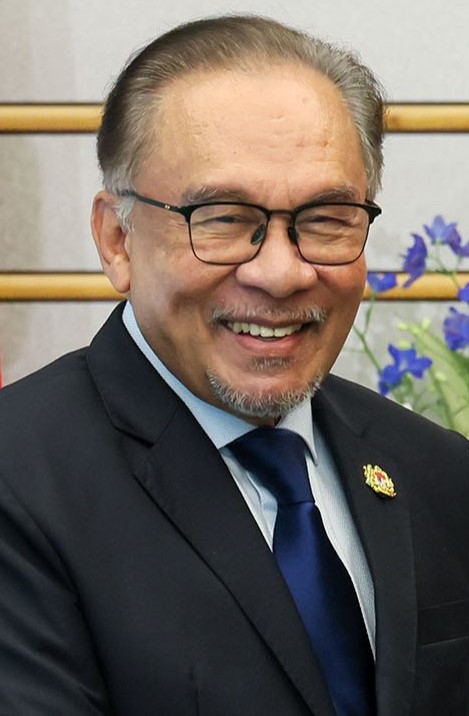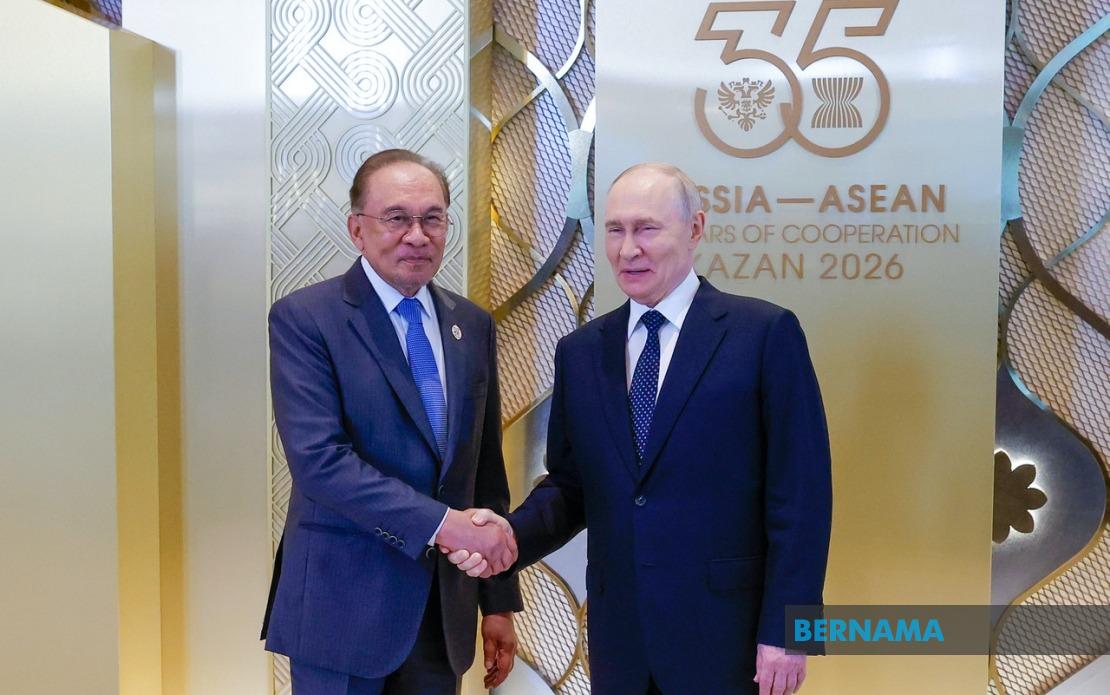
Prime Minister Datuk Seri Anwar Ibrahim has underscored the vital role that structured diplomatic engagement plays in navigating an increasingly complex global landscape marked by multiple crises and geopolitical uncertainty. Speaking at the ASEAN-Russia Commemorative Summit in Kazan, he articulated a vision where regular high-level dialogue mechanisms serve as essential channels for bridging differences and identifying common ground between nations and regional groupings facing divergent pressures and competing interests.
The Malaysian premier's remarks, delivered following a state gala hosted by President Vladimir Putin, reflect a pragmatic approach to contemporary diplomacy. In an era when traditional multilateral institutions face strain and bilateral relationships often become transactional, Anwar contends that dedicated forums—whether regional summits or bilateral engagements—provide irreplaceable value by creating spaces where leaders can move beyond formal statements to establish personal rapport and mutual comprehension. This philosophy extends beyond ceremonial gestures; such gatherings facilitate substantive exploration of areas where divergent economies and strategic outlooks might nonetheless discover mutual advantages.
The significance of the ASEAN-Russia summit lies partly in its scope and symbolism. Bringing together Southeast Asia's ten member states with Moscow in a commemorative format signals commitment to sustained engagement rather than ad-hoc interaction. For the region, which has historically maintained careful balance between major powers, such platforms offer opportunities to engage Russia on matters of regional interest—from trade and investment to security concerns—without appearing to align exclusively with any single great power. The gathering also demonstrates ASEAN's strategy of expanding its diplomatic reach beyond traditional Western partners, particularly as geopolitical competition intensifies in the Indo-Pacific.
Anwar, who is also Malaysia's Finance Minister, highlighted how the summit transcended ceremonial functions by serving as a genuine dialogue platform. The event permitted candid exchanges among participating leaders on issues affecting their respective nations and regions. By emphasizing cultural and historical dimensions—Russia's rich heritage and contributions to global civilisation—the summit also humanised diplomatic relations, reminding participants that international affairs ultimately involve people, societies, and centuries-old civilisational connections rather than mere strategic calculations.
For Malaysia specifically, participation in such summits carries particular weight. As an ASEAN member with substantial economic interests in both Western and Eastern markets, Kuala Lumpur benefits from opportunities to strengthen ties with major powers like Russia while remaining embedded within regional frameworks. The ASEAN platform provides Malaysia leverage and protection; individual bilateral relationships with powerful states carry inherent asymmetries. By engaging Russia through collective ASEAN mechanisms, Malaysia gains voice and protection while avoiding the appearance of strategic alignment that could complicate its relationships with other major powers.
The trust-building dimension that Anwar emphasised addresses a genuine need in contemporary international relations. Economic sanctions, military buildups, and ideological competition have eroded confidence between Western-aligned and non-aligned nations. Platforms that permit leaders to interact personally, to understand constraints and perspectives they might not encounter through official channels, help prevent miscalculation and reduce risks of unintended escalation. For ASEAN nations navigating a region where multiple great powers maintain military presence and strategic ambitions, such confidence-building becomes essential for stability.
Exploring cooperation areas, as Anwar noted, extends beyond security into economic and developmental spheres. Russia possesses significant energy resources, technological capabilities, and investment capacity that could benefit Southeast Asian economies. Conversely, ASEAN offers Russia access to dynamic, growing markets and potential partnerships in technology and services. Trade relationships, investment flows, and joint projects require stable diplomatic foundations. Regular engagement platforms help identify and nurture these opportunities while managing inevitable tensions arising from differing foreign policies and values.
The Kazan summit occurred against a backdrop of intensifying great power competition and regional volatility. North Korea's weapons programmes, tensions in Ukraine, maritime disputes in Southeast Asia, and broader US-China rivalry create complex environments where regional nations must carefully calibrate their diplomatic engagement. Summits like the ASEAN-Russia gathering permit countries to signal their commitment to dialogue even amid larger geopolitical conflicts. They also create opportunities for mediation, confidence-building, and discussion of global issues—from climate change to pandemic preparedness—that transcend great power competition.
Anwar's emphasis on understanding between nations touches on a often-overlooked dimension of diplomacy: the human element. Leaders who meet personally, who understand each other's domestic constraints and strategic imperatives, prove less likely to pursue confrontational policies. They grasp how their actions affect counterparts and citizens of other nations. Cultural exchanges, formal dinners, and side meetings at summits build relationships that persist even when official positions diverge. These personal connections, accumulated over years, create foundations for crisis management and compromise when conflicts threaten.
Looking forward, the ASEAN-Russia summit model offers lessons applicable to other regional challenges. Southeast Asia's prosperity and stability depend partly on its capacity to engage all major powers—including Russia—while maintaining ASEAN centrality and preserving regional autonomy. As strategic competition intensifies and economic interdependence creates both opportunities and vulnerabilities, platforms for sustained, meaningful engagement become increasingly rather than decreasingly important. Nations that retreat into isolation or align exclusively with single powers risk marginalisation or entrapment.
The Malaysian Prime Minister's articulation of these principles from Kazan serves dual purposes: it reaffirms Malaysia's commitment to balanced, inclusive diplomacy while signalling to other regional and global actors that ASEAN values dialogue even with states that lack alignment with Western institutions. It suggests that progress on global challenges—from trade to security—ultimately requires maintaining channels of communication and building relationships that transcend ideological differences. In an interconnected world, isolation proves neither feasible nor desirable; engagement, properly structured and pursued with clear-eyed recognition of divergent interests, remains the most promising path forward.