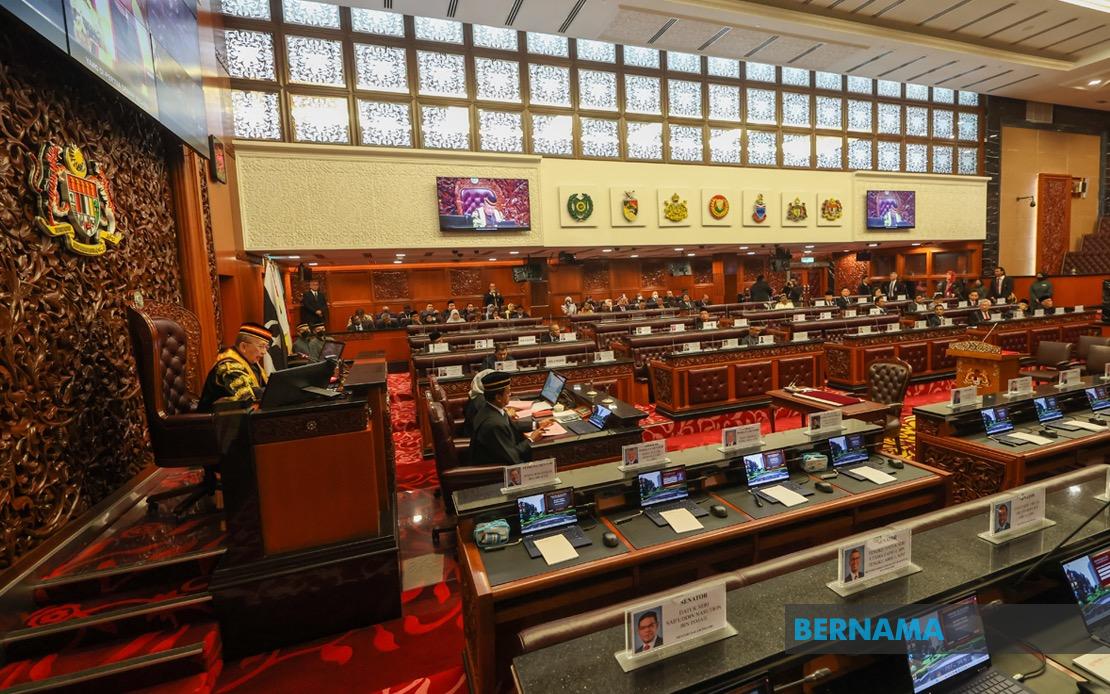
The Dewan Negara concluded a 10-day parliamentary session on August 4 with the passage of two significant pieces of legislation designed to enhance Malaysia's institutional framework and economic governance. The passage of the National Trust Fund (KWAN) Bill 2026 and the Statistics Bill 2026 represents part of a broader governmental agenda to strengthen fiscal discipline, improve data collection and analysis, and fortify the nation's competitive standing in an increasingly volatile geopolitical environment.
Deputy Finance Minister Liew Chin Tong introduced the KWAN Bill, which seeks to establish more rigorous oversight mechanisms for the National Trust Fund. The legislation introduces stricter guidelines governing withdrawals from the fund, addressing longstanding concerns about the need for clearer governance structures in managing this crucial financial instrument. By imposing tighter discipline on fund utilisation, the government aims to ensure that the KWAN operates with greater transparency and accountability, protecting its integrity for long-term national development purposes.
The Statistics Bill 2026, presented by Deputy Economy Minister Datuk Mohd Shahar Abdullah, modernises Malaysia's statistical framework to reflect contemporary data management practices. This legislative overhaul establishes a comprehensive legal foundation for collecting, processing and disseminating official statistics, bringing Malaysia's statistical governance in line with international standards. For businesses, policymakers and researchers, this represents a significant advancement in accessing reliable, standardised economic and social data essential for informed decision-making.
Throughout the session that commenced on July 20, the government demonstrated commitment to addressing immediate economic challenges while positioning Malaysia for sustained growth. Following escalating geopolitical tensions in West Asia, the government outlined protective measures designed to safeguard public welfare and maintain economic stability. These interventions encompassed securing critical supply chains, implementing price containment strategies, supporting affected industries and building broader economic resilience against external shocks—priorities that resonate particularly with Malaysian consumers and businesses exposed to regional instability.
Prime Minister Datuk Seri Anwar Ibrahim took the opportunity to defend the Retirement Fund (Incorporated) (KWAP) against criticism, highlighting its RM12.9 billion net profit while acknowledging that lessons emerged from the investment in eFishery that would inform future capital allocation decisions. This statement underscores the administration's commitment to transparent financial stewardship whilst recognising that even strategic investments occasionally yield unexpected outcomes requiring careful analysis.
Energy security emerged as another dominant theme throughout the sitting. Discussions centred on establishing a strategic petroleum reserve, with the government weighing fiscal implications, operational logistics, governance structures and international precedents. The recently finalised 20-year fuel supply agreement with Russia—covering petrol, diesel, crude oil and natural gas—represents a significant diversification of Malaysia's energy procurement, complementing the government's National Energy Transition Roadmap objectives. This arrangement demonstrates how Malaysia balances its commitments to cleaner energy pathways with pragmatic energy security considerations amid global supply chain uncertainties.
Investment flows indicate Malaysia's continued appeal as a manufacturing hub, particularly within high-technology sectors. Japanese firms invested RM10.5 billion across 46 electrical and electronics projects between 2021 and 2025, generating approximately 9,009 employment opportunities. These figures underscore Malaysia's enduring attractiveness to multinational manufacturers despite regional competition, reflecting the country's established infrastructure, skilled workforce and strategic geographic positioning.
Competitiveness metrics provided additional grounds for cautious optimism. Mohd Shahar reported that Malaysia remains positioned to achieve its target of ranking among the world's 12 most competitive economies by the conclusion of the 13th Malaysia Plan, supported by Malaysia's improving standing in the 2026 World Competitiveness Ranking. Achieving such status would validate years of structural reforms and would meaningfully enhance Malaysia's global economic profile and investment appeal.
Bank Negara Malaysia announced implementation of a new Performance Measurement Framework for Development Financial Institutions commencing July 1, 2027, marking a significant institutional evolution. This framework adopts a more holistic evaluation methodology encompassing development impact, governance quality and operational performance rather than limiting assessment to financial returns alone. For institutions providing concessional financing and specialised lending, this reorientation emphasises broader developmental objectives alongside financial sustainability.
The electric vehicle transition continued generating policy attention. The Ministry of Investment, Trade and Industry confirmed that the EV ecosystem development would remain driven by private sector dynamism without price controls on public charging infrastructure. With 6,416 public chargers installed nationwide as of May 31, Malaysia's EV infrastructure development is progressing, though significant expansion remains necessary to support widespread adoption and address range anxiety concerns among potential consumers.
Fiscal consolidation continues delivering tangible results, reinforcing the government's economic management narrative. The federal fiscal deficit has narrowed for five consecutive years following systematic economic and fiscal reforms, whilst federal debt remains within statutory parameters. During the first half of the year, expenditure controls generated approximately RM5 billion in spending restrictions without compromising essential public service delivery, demonstrating that fiscal discipline and operational effectiveness need not represent opposing objectives.
The Dewan Negara presidency subsequently adjourned the second meeting of the fifth session pending announcement of the next sitting date. The session's outcomes collectively reflect governmental priorities centring on institutional strengthening, fiscal responsibility, investment attraction and strategic positioning amid regional economic and geopolitical realignments—themes likely to dominate parliamentary discourse throughout Malaysia's 13th Malaysia Plan period.

