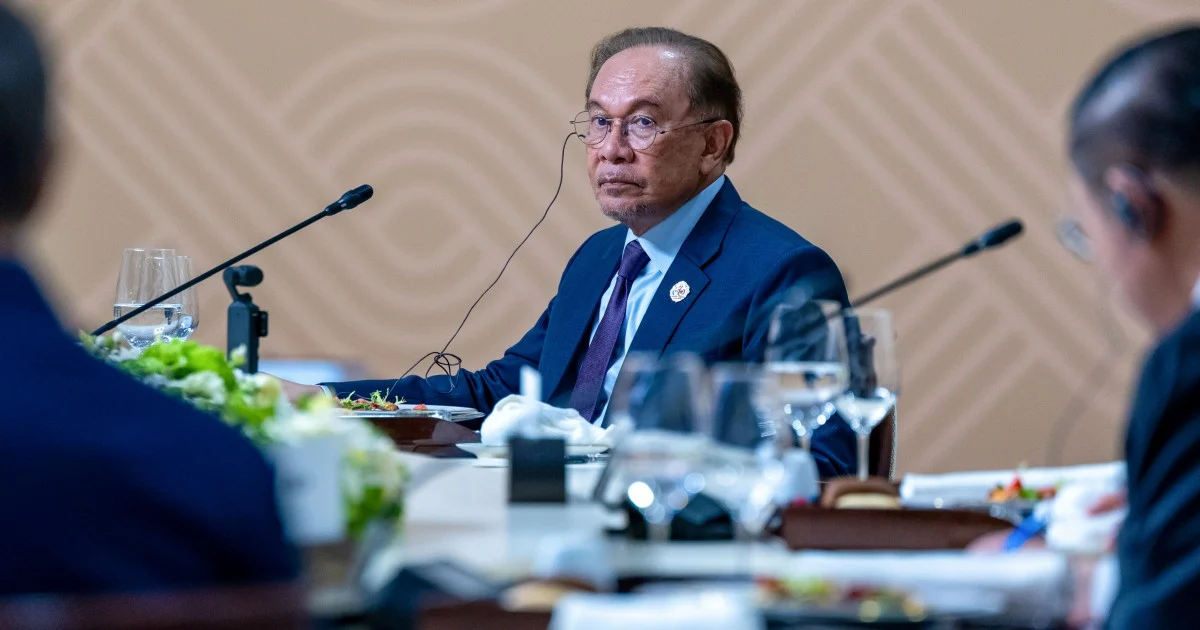
Prime Minister Datuk Seri Anwar Ibrahim issued a pointed warning from Kuala Lumpur that developing nations would actively pursue alternative partners if European countries continue to subject them to what he characterised as unjust treatment. The statement reflects growing frustration within the Global South over what many developing economies perceive as unequal power dynamics in international relations, particularly when dealing with wealthy industrialised nations.
The Prime Minister's remarks came against the backdrop of a specific dispute involving Norway, a defence-related disagreement that Anwar highlighted as emblematic of broader difficulties that developing nations face when engaging with European partners. This particular case serves as a flashpoint for tensions that have been accumulating across multiple sectors and bilateral relationships, underscoring how individual disputes can crystallise wider concerns about fairness and reciprocity in international dealings.
Anwar's intervention carries significant weight given Malaysia's position as a key player in Southeast Asia and its membership in numerous regional and international forums. His comments reflect a shifting international landscape where developing economies, particularly those with growing strategic importance, possess greater leverage to demand respectful treatment from traditional Western powers. The statement also resonates with Malaysia's own experiences navigating complex relationships with European nations on matters ranging from trade to environmental standards.
The Norway dispute represents a microcosm of the challenges that developing countries encounter when their interests clash with those of wealthy European nations. These conflicts often reveal asymmetries in negotiating power, access to international institutions, and the ability to shape rules that govern bilateral relations. When developing nations feel cornered or treated dismissively, they increasingly view partnership diversification as both a practical strategy and a matter of national dignity.
The warning carries implications for Malaysia's own foreign policy orientation and regional leadership. As the country balances relationships across multiple powers—Western nations, China, India, and fellow ASEAN members—Anwar's message signals that Malaysia will not accept treatment it views as inequitable. This positioning strengthens Malaysia's hand in negotiations while also appealing to other developing nations that share similar frustrations with perceived double standards from wealthy Western capitals.
The broader context involves developing nations' accumulated grievances about European conduct on several fronts. These include pressure on environmental standards that they argue disadvantage developing economies, trade negotiations weighted toward European interests, and diplomatic approaches that some describe as patronising. Whether concerning palm oil policies, labour standards, or defence procurement, developing countries frequently encounter what they perceive as shifting criteria applied selectively to serve European strategic or economic objectives.
Alternative partnerships, from the developing world's perspective, represent not merely economic transactions but affirmations of sovereignty and mutual respect. When China, India, Russia, and other non-Western powers offer partnerships without the conditions or moral lecturing that sometimes accompanies European engagement, they become attractive options. This dynamic fundamentally reshapes global alignments and compels Western nations to recalibrate their approach to developing countries.
The geopolitical stakes extend beyond bilateral relationships. Southeast Asia specifically represents a crucial region where competition for influence intensifies. If European nations are perceived as unwilling to treat regional countries as equal partners, they risk losing ground to competitors who embrace more transactional, less conditional relationships. For Malaysia, which hosts significant strategic interests and serves as a bridge between different regional blocs, this dynamic becomes particularly consequential.
Anwar's warning should be understood as both a direct message to European capitals and a statement of regional sentiment. Developing nations increasingly refuse to accept frameworks where they occupy subordinate positions. The Malaysia-Norway dispute, whatever its specific merits, has become symbolic of this broader assertion of agency and demands for reciprocal respect in international relations. European nations cannot assume that developing countries will indefinitely tolerate what they perceive as unfair treatment.
The ripple effects of such positioning extend across investment flows, technology partnerships, military cooperation, and diplomatic alignment. As developing nations actively cultivate alternative relationships, Western powers face the prospect of diminished influence in regions they traditionally dominated. This transformation reflects deeper shifts in global power distribution and the declining willingness of developing economies to accept subordinate roles in international hierarchies.
For Malaysia and other Southeast Asian nations, the strategic imperative is clear: maintaining relationships with multiple partners while insisting on equal treatment from all. This approach maximises flexibility and leverage. Anwar's statement essentially signals that Malaysia will exercise this leverage assertively, using the credible threat of partnership diversification to ensure fairer outcomes in negotiations with European nations. The message reverberates across the developing world as encouragement to do the same.

