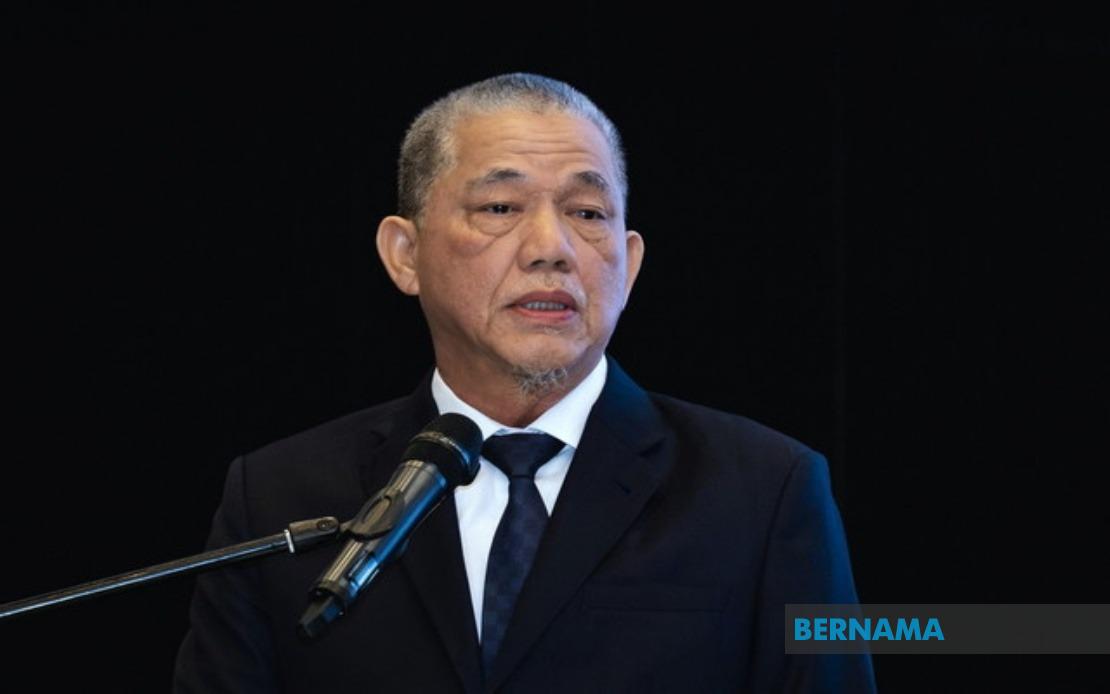
Malaysia's second-highest-ranking government official, Deputy Prime Minister Datuk Seri Fadillah Yusof, will proceed with cardiac surgery in the coming weeks at the National Heart Institute (IJN) in Kuala Lumpur, his office announced on Friday. The announcement came through a formal statement released by Datuk Misiah Taib, who handles media relations for both Fadillah's position as Deputy Prime Minister and his ministerial portfolio overseeing Energy Transition and Water Transformation (PETRA).
The decision to pursue surgical intervention follows comprehensive medical evaluation and professional recommendation from his attending physicians. Cardiac bypass procedures represent a standard intervention for individuals with significant coronary artery disease or blockages that limit blood flow to the heart muscle. Such surgeries carry considerable implications for the individual's health trajectory and functional capacity in the months following the procedure.
According to the official communication, Fadillah currently maintains stable clinical status despite the cardiac condition requiring surgical correction. His medical team has prescribed a period of complete rest and has advised against receiving visitors during the immediate pre-operative and post-operative phases. This restriction serves practical purposes: minimising infection risk, reducing physical and emotional stress, and allowing his body complete focus on healing and recuperation without social or professional distraction.
The timing of this development arrives during a period of significant government initiatives, particularly those falling under Fadillah's ministerial responsibilities. Malaysia has undertaken substantial commitments in renewable energy development and water infrastructure modernisation, sectors that have demanded considerable attention from the energy ministry. The surgery and subsequent recovery period will likely necessitate temporary delegation of duties, raising questions about continuity in the implementation of these energy transition programmes that remain central to Malaysia's climate commitments and infrastructure development plans.
Fadillah's medical situation underscores a broader consideration within government circles regarding the health and succession planning of senior political figures. As Deputy Prime Minister, he stands positioned to assume the top executive role should circumstances warrant such transition. His medical status therefore carries implications not only for his personal wellbeing but potentially for the stability and leadership continuity of the federal administration. Previous instances of senior Malaysian leaders undergoing significant medical procedures have prompted public discussion regarding contingency arrangements and the clarity of succession protocols.
The family's public request for prayers and well-wishes reflects a cultural tradition deeply embedded in Malaysian society, where expressions of faith and community support traditionally accompany major health challenges affecting prominent national figures. Such requests also serve to humanise political leaders, reminding the broader public that individuals in high office face the same health vulnerabilities as ordinary citizens, notwithstanding the superior medical resources available to them.
The National Heart Institute, where Fadillah will undergo the procedure, represents Malaysia's leading facility for cardiac care and ranks among Southeast Asia's most advanced cardiovascular treatment centres. The institute's selection indicates confidence in domestic medical expertise and infrastructure, avoiding the politically sensitive scenario that might arise from seeking treatment abroad—a consideration that typically influences such decisions among Malaysian political leaders.
Post-operative recovery from heart bypass surgery typically extends across several months, with gradual restoration of physical capacity occurring progressively. During this period, patients commonly experience fatigue, physical limitations, and requirements for structured rehabilitation programmes. For an individual holding executive responsibilities demanding sustained energy and decision-making capacity, the recovery trajectory represents a significant challenge. Government operations will require careful management during this interregnum, potentially elevating the profile and responsibilities of other senior cabinet members.
The broader governance implications warrant attention from observers of Malaysian politics. While Fadillah's current stable condition provides reassurance, the anticipated surgery highlights the importance of clear succession frameworks and robust institutional mechanisms for handling leadership transitions or temporary absences among top officials. Democracies function optimally when such arrangements remain transparent and well-established rather than subject to improvisation during crises.
The public response to Fadillah's situation will likely reflect broader attitudes toward the government's leadership cohort. His popularity and standing within ruling coalition partnerships will influence how smoothly any temporary transfer of responsibilities proceeds. Additionally, opposition parties will observe the situation carefully, both from humanitarian perspectives and regarding potential political implications of altered governmental dynamics during the recovery period.
As Fadillah prepares for surgery, his medical journey becomes a test case for Malaysia's healthcare infrastructure at the highest levels, while simultaneously emphasising the universal human experiences of vulnerability and the need for community support during health crises. The nation's well-wishes, formally solicited by his family, reflect a momentary unity cutting across political divides—a reminder that certain human experiences transcend partisan differences.

