Kuala Lumpur City Hall (DBKL) has initiated formal procedures to acquire land in the Taman Datuk Senu area of Sentul following the discovery that a well-established public access road sits entirely on privately owned property. The municipality's efforts to resolve the issue come after years of residents relying on the route for daily commuting, unaware that no land acquisition had ever been completed with the property owner. The matter gained significant public attention recently when the road was blocked, prompting widespread complaints on social media from residents suddenly cut off from their usual thoroughfare.
Kuala Lumpur Mayor Datuk Seri Fadlun Mak Ujud explained during a press conference that preliminary investigations revealed a critical administrative oversight in the history of the Jalan Taman Datuk Senu development. Despite the road functioning as a public thoroughfare for a considerable period, the underlying property rights were never formally transferred to the municipality or the government. This discrepancy created a complex legal situation where residents had developed legitimate usage patterns based on decades of access, yet the landowner retained full legal rights to restrict passage at any time.
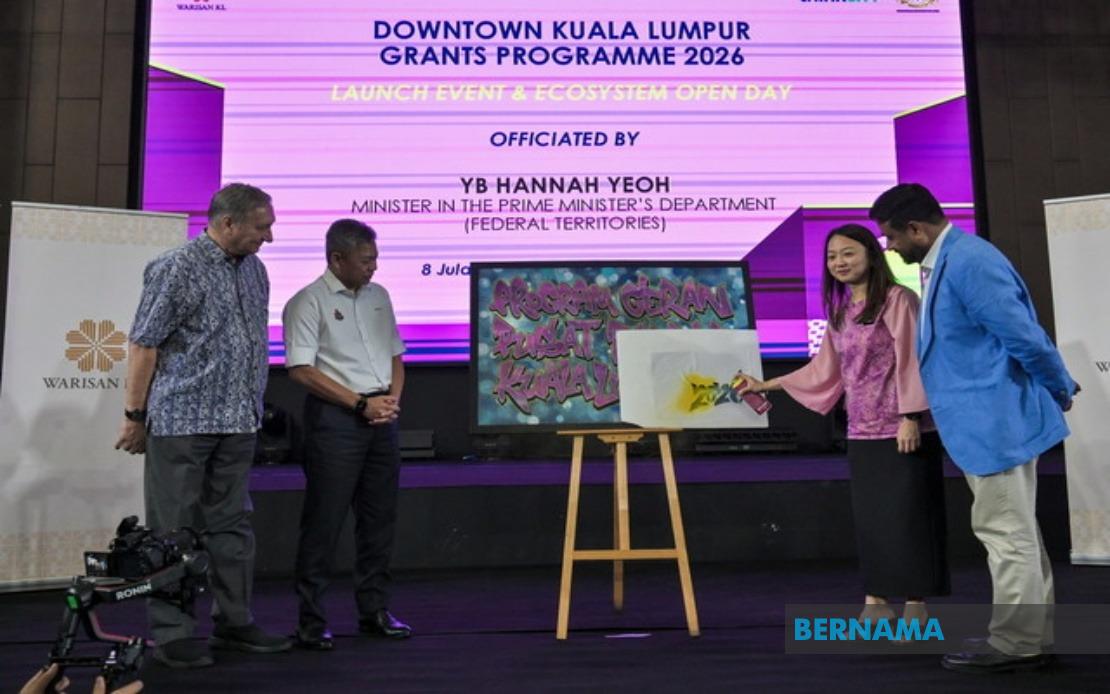
The resolution process began in earnest in February, when DBKL initiated a series of discussions with all relevant parties to chart a pathway forward. Rather than attempting to navigate the acquisition independently, DBKL has taken the appropriate step of submitting an official application to the Department of the Director General of Lands and Mines (JKPTG), recognising that this matter falls within the purview of federal government authority. The involvement of Federal Territories Minister Hannah Yeoh at the formal announcement underscores the importance the government places on swiftly resolving the dispute and maintaining public access.
The acquisition process follows a structured legal framework designed to protect the rights of all stakeholders whilst restoring public access. First, the government must obtain official approval from JKPTG to proceed with acquisition. Subsequently, the land must be formally gazetted through the government gazette to provide public notice of the acquisition. Following gazette publication, compensation must be calculated and paid to the affected landowner based on valuations determined by the government's Valuation Department. Each of these steps carries particular significance in Malaysian property law, as they establish the formal record of the transaction and provide the private owner with statutory protection regarding fair market compensation.
Mayor Fadlun outlined an optimistic but conditional timeline, indicating that if administrative processes proceed without delays and the landowner accepts the valuation determined by the Valuation Department, DBKL anticipates full resolution within three to four months. This projection assumes no formal objections are lodged against the assessed land value, which represents a critical contingency. Should the property owner dispute the valuation, the matter would proceed to dispute resolution procedures, potentially extending the timeline considerably. The mayor's candid acknowledgment of these variables demonstrates realistic expectations about bureaucratic timelines whilst maintaining commitment to expediting the matter.
For residents of Taman Datuk Senu and surrounding neighbourhoods, the delay represents a meaningful disruption to daily routines. The sudden closure of a route that has served as the primary access corridor for years has forced residents to navigate longer alternative paths and reconsider transportation patterns. The social media virality of the issue reflects broader frustrations with infrastructure disputes that affect ordinary citizens, particularly when the underlying problem stems from administrative lapses rather than deliberate policy decisions. Many residents expressed bewilderment that the road they had used without incident for extended periods could suddenly be closed by a private landowner asserting rights that had apparently been dormant.
The situation underscores vulnerabilities in municipal land administration and the importance of proper documentation in urban development. The fact that no formal acquisition had been executed despite long-term public usage suggests potential gaps in historical record-keeping or administrative procedure. This case will likely prompt DBKL to conduct broader audits of other public access routes to identify similar situations before they escalate into disputes. The vulnerability exposed by this incident is particularly relevant in Kuala Lumpur, where informal settlement patterns and incremental urban development have sometimes outpaced formal administrative processes.
For Malaysian property rights more broadly, this matter illustrates the tension between long-established practical usage and formal legal ownership. While the Taman Datuk Senu residents had arguably developed legitimate expectations of continued access through decades of uninterrupted use, Malaysian property law generally protects registered ownership rights absolutely. The government's decision to acquire the land rather than rely on arguments about prescriptive rights or public necessity reflects the appropriate legal approach under Malaysian jurisprudence. This outcome protects the interests of all parties by creating clear legal title through formal acquisition rather than attempting to overturn private property rights through judicial interpretation.
The compensation mechanism embedded within the acquisition process attempts to balance public interest in maintaining access against the private owner's legitimate property rights. By providing fair market value compensation determined by independent valuation, the government ensures that private owners are not disadvantaged by being unable to develop or restrict their land. This principle represents a fundamental aspect of Malaysian property law and constitutional protections. However, the process requires that valuers accurately assess the land's fair market value, which in this case may be complicated by the long-standing public access that has limited the owner's ability to use the property freely.
Fadlun's public appeal to the property owner to demonstrate patience and allow the legal process to proceed reflects the delicate balance required in such disputes. While the government possesses the legal authority to acquire land for public purposes, maintaining cooperative relations with the affected property owner can expedite resolution and potentially reduce overall costs and timeline uncertainty. The mayor's framing emphasises that the temporary delay, while inconvenient, serves the legitimate interests of both parties by ensuring a fair, transparent process rather than an ad hoc resolution that might later face legal challenges.
This case carries implications for urban governance across Southeast Asia, where rapid urbanisation has sometimes created similar mismatches between administrative records and ground realities. Malaysian authorities, as relatively mature administrators, are handling this through formal legal channels that other regional jurisdictions might eventually need to implement. The emphasis on proper gazette procedures and transparent valuation establishes a precedent for how future access disputes should be managed, prioritising institutional integrity over expedience.

