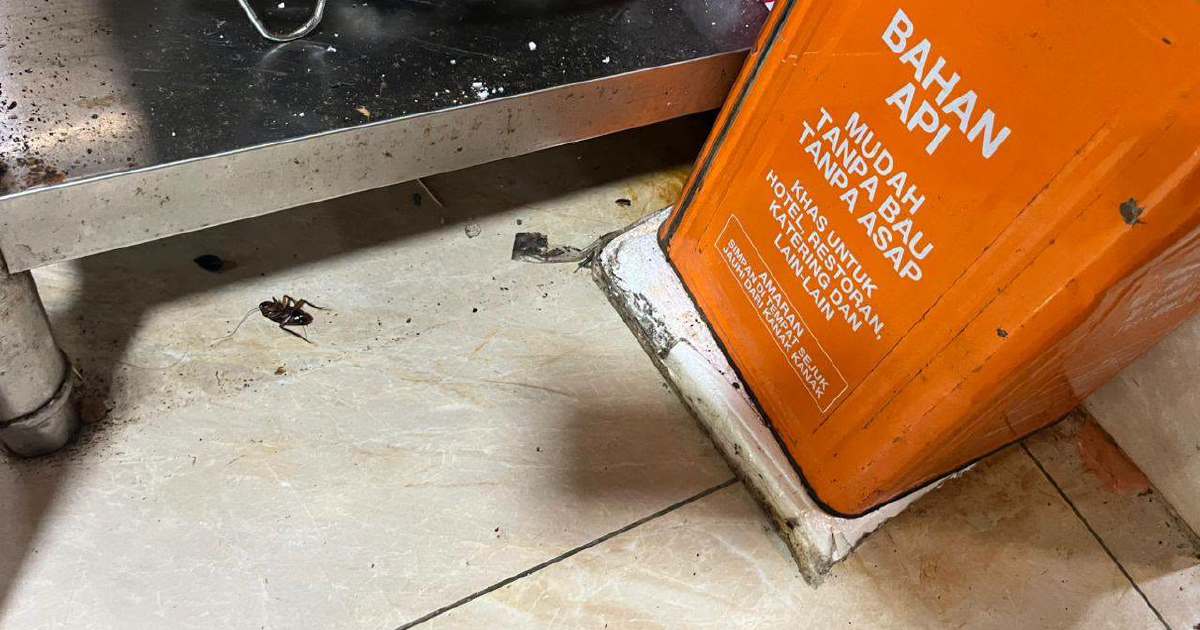
Kuala Lumpur City Hall (DBKL) has intensified its grip on food safety standards following a targeted enforcement blitz around Jalan Alor in the Bukit Bintang district. The operation yielded 74 notices and compounds against various food premises, with authorities identifying significant breaches in hygiene protocols and pest control measures. The action represents a significant escalation in DBKL's regulatory efforts to maintain public health standards in one of the capital's most popular dining destinations.
The enforcement operation specifically focused on pest infestations and poor sanitation practices within food establishments along the iconic street. Six premises were deemed serious enough to warrant immediate closure orders, signalling the authority's determination to protect consumers from health hazards. The decision to suspend operations at multiple outlets demonstrates DBKL's commitment to moving beyond warnings toward concrete enforcement action against persistently non-compliant operators.
Jalan Alor has long been celebrated as a culinary hotspot attracting both domestic and international visitors seeking authentic Malaysian street food and traditional hawker fare. The street's popularity, however, has created operational pressures that some establishments have failed to manage adequately. The concentration of food vendors operating in close proximity, combined with the demands of high-volume service, can strain hygiene management systems when proper infrastructure and practices are not maintained.
The presence of cockroaches and rats in food preparation and storage areas represents a critical public health concern that authorities cannot overlook. These pests carry disease-causing organisms that pose direct contamination risks to food and potential pathogens that can lead to serious foodborne illness outbreaks. Beyond individual cases of food poisoning, infestations can trigger broader public health incidents that overwhelm medical facilities and damage the reputation of entire dining precincts.
For Malaysian consumers, particularly those who frequently patronize hawker centres and street food vendors, the enforcement action serves as a reminder of the varying hygiene standards across the informal food sector. While many operators maintain excellent practices despite space and resource constraints, others cut corners on pest management and sanitation. The disparities highlight the importance of consumer vigilance and the need for continued regulatory oversight.
The implications extend beyond individual establishments to the broader food tourism sector. International visitors form a significant portion of Jalan Alor's customer base, and food safety incidents can generate negative publicity that affects not only the affected premises but the entire street's brand and the city's reputation as a food destination. DBKL's enforcement demonstrates recognition that protecting this economic asset requires proactive intervention.
The notices and compounds issued during the operation carry financial penalties and serve as formal records of non-compliance. Establishments receiving notices must demonstrate corrective actions within specified timeframes. Those that fail to remediate violations face escalating sanctions, potentially including permanent closure. This graduated enforcement approach aims to incentivize compliance while providing operators with opportunities to correct deficiencies.
For food entrepreneurs operating along Jalan Alor and similar high-density food precincts, the enforcement action underscores the necessity of investing in proper pest control systems, regular facility inspections, and staff training on hygiene protocols. Many successful operators view these investments not as burdensome compliance costs but as essential business expenses that protect their reputation and customer base. The financial burden of addressing these requirements, however, remains a challenge for operators with thin profit margins.
The operation reflects broader regulatory patterns in Southeast Asia, where authorities increasingly recognize that fragmented food safety enforcement undermines consumer protection and public health outcomes. Malaysia's food safety framework operates across multiple jurisdictions and agencies, and coordination challenges sometimes result in inconsistent enforcement. DBKL's targeted operation demonstrates the effectiveness of focused, intensive inspection campaigns compared to routine compliance monitoring.
Looking forward, the enforcement action raises questions about whether DBKL will establish systematic inspection schedules for high-risk food establishments rather than relying primarily on complaint-based or periodic sweeps. Predictable inspection regimes tend to incentivize sustained compliance more effectively than unpredictable enforcement operations. They also distribute inspection costs more efficiently across the regulatory agency's resources.
For food businesses implementing corrective measures following the enforcement operation, the challenge extends beyond addressing immediate hygiene deficiencies to establishing robust systems that maintain standards consistently. This may require facility modifications, equipment upgrades, or expanded staffing dedicated to sanitation and pest control oversight. Smaller operators may struggle to absorb these costs without increasing prices or reducing service quality.
The enforcement action sends a clear message to the food industry that DBKL will not tolerate systematic violations that jeopardize public health. This assertive posture reflects international best practices in food safety regulation and consumer protection. For residents and visitors to Kuala Lumpur seeking reassurance about food safety standards at popular dining venues, the operation provides evidence that regulatory authorities are actively monitoring and enforcing compliance.

