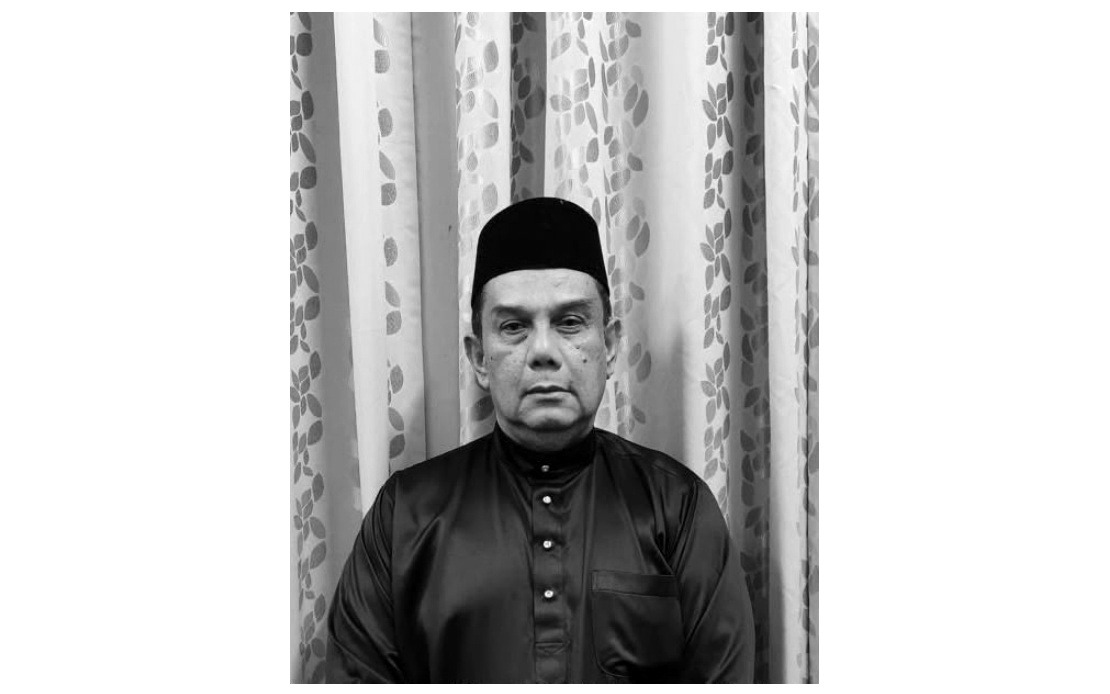
Datuk Jailani Harun, the diplomatic officer attached to UMNO president Datuk Seri Dr Ahmad Zahid Hamidi, passed away at Hospital Serdang in Kuala Lumpur on Monday morning, marking the loss of a respected figure who bridged the worlds of journalism and diplomatic service within Malaysia's political establishment. The 67-year-old, whose career spanned decades in media and government communications, drew his last breath at 11:34 am, with news of his death subsequently confirmed by his family and the Office of the Deputy Prime Minister.
Jailani's passing represents a notable departure from the political circles of Kuala Lumpur, where he had cultivated relationships across government and media institutions. His daughter, Nabilla, aged 33, confirmed the death to national news agency Bernama, providing immediate notification to the public of the loss within Ahmad Zahid's immediate circle. The confirmation through official channels underscored the significance attributed to Jailani's role within the UMNO establishment, where he had served as a communication bridge between the party's leadership and external stakeholders.
The veteran journalist's transformation into a diplomatic officer reflected a common trajectory among seasoned media professionals in Malaysia, where expertise in public relations and government communication frequently transitions into formal advisory and liaison positions. Prior to his appointment to Ahmad Zahid's office, Jailani had developed substantial experience navigating Malaysia's complex media landscape, acquiring knowledge that proved invaluable in managing political communications and diplomatic protocols. This career path illustrated how institutional knowledge becomes increasingly precious within political environments where message consistency and media relations determine public perception.
Funeral arrangements proceeded according to Islamic tradition, with the deceased's remains transported to Al-Mubarakah Mosque in Taman Bukit Cheras for funeral prayers, followed by burial at Alam Damai Cheras Cemetery after Asar prayers. The timing and location of funeral rites reflected the family's adherence to religious observance, while also providing an occasion for members of the political establishment to pay their respects privately and collectively. Such ceremonies within Kuala Lumpur's established Muslim burial grounds frequently serve as informal gatherings where political networks acknowledge losses within their communities.
Communications Minister Datuk Fahmi Fadzil promptly extended official condolences to Jailani's family and associates, demonstrating the broader government's acknowledgment of the deceased's contributions to Malaysia's administrative and communications infrastructure. Fahmi's statement, conveyed through Facebook, invoked traditional Islamic sentiments while recognizing the personal dimensions of Jailani's departure from the political landscape. The minister's swift response illustrated protocol within government circles, where deaths of senior administrative figures prompt formal acknowledgment from peer ministries and allied officials.
The loss of individuals occupying positions between political leadership and public communication creates operational adjustments within government structures, as the institutional memory and established relationships they maintain become difficult to replicate. Jailani's role as diplomatic officer required sustained engagement across multiple platforms—managing correspondence with international contacts, coordinating media appearances, and maintaining coherence in Ahmad Zahid's public messaging. These responsibilities demand discretion, political acumen, and deep understanding of both UMNO's internal dynamics and broader Malaysian political currents.
From a Malaysian political perspective, deaths within the immediate circles of major party leaders occasionally trigger subtle shifts in organizational dynamics, though the extent of such changes remains difficult to assess publicly. Ahmad Zahid, as UMNO president and a figure of considerable influence within the ruling coalition, maintains extensive support infrastructure designed to sustain his political operations and public profile. The departure of experienced personnel like Jailani necessitates succession planning and reassignment of duties among remaining staff, processes typically conducted without public announcement.
Jailani's career trajectory reflected generational patterns within Malaysian political institutions, where professional competence in communications and journalism provided pathways into government service. His background as a journalist—a profession that demands accuracy, discretion, and understanding of political dynamics—equipped him with skills directly applicable to diplomatic advisory work. This convergence of media expertise and political service characterized numerous mid-to-senior level positions throughout Malaysia's government apparatus.
The broader implications of such losses within political circles extend to questions of institutional continuity and knowledge transfer. Experienced officers like Jailani accumulate years of understanding regarding how government functions, which officials hold influence, and how public policy decisions should be communicated effectively. When such individuals pass, organizations must confront whether their accumulated wisdom has been adequately documented or transferred to successors, or whether significant institutional capacity simply disappears.
For those monitoring UMNO's organizational structure and Ahmad Zahid's political positioning, Jailani's death represented the loss of a trusted aide whose tenure in service presumably included navigating the party through various electoral cycles and political transitions. In Malaysia's highly personalized political environment, such figures occupy importance beyond their formal job descriptions, serving as repositories of institutional history and trusted advisors whose counsel influences decision-making processes. The circumstances of succession in such roles often remain opaque to external observers, though organizational continuity demands that replacements be identified and brought up to operational speed expeditiously.

