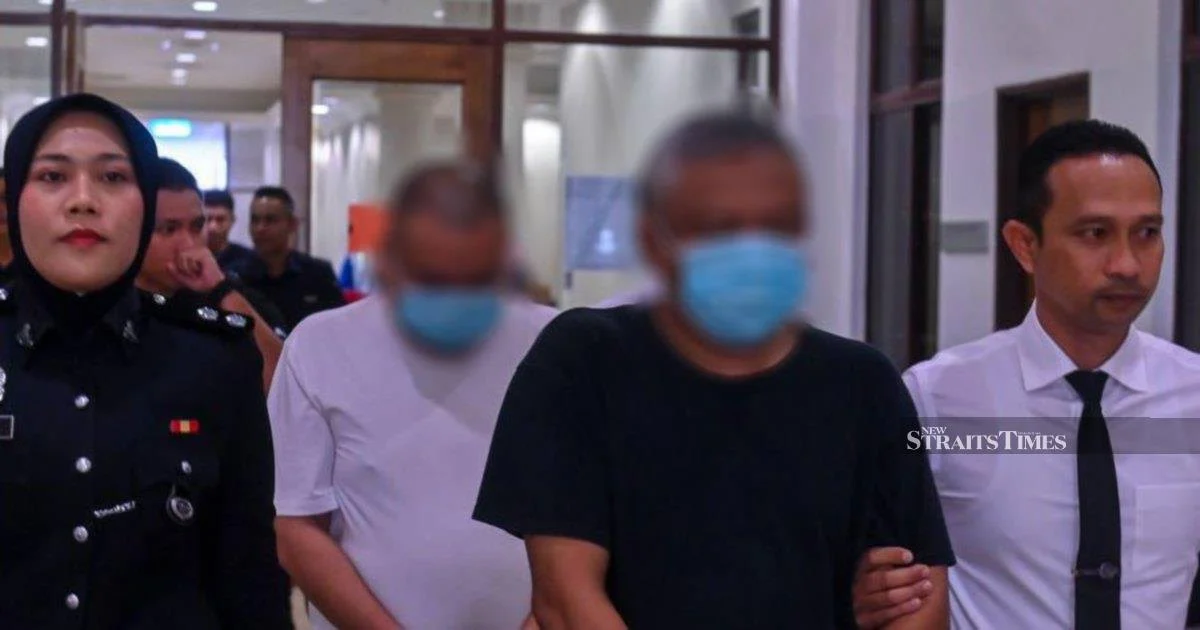
Authorities in Kuantan have taken into custody a businessman holding the title of Datuk and his associate following an investigation into the production and distribution of a fraudulent document impersonating official correspondence from the Tengku Mahkota of Pahang's office. The arrests represent a serious violation of state protocol and highlight growing concerns about document forgery schemes targeting royalty and government institutions across Malaysia.
The two detainees stand accused of deliberately creating and possibly circulating a letter that bore the official coat of arms of Pahang's Crown Prince, apparently to lend false credibility to undisclosed business transactions or claims. Using forged royal documentation is a particularly grave offence under Malaysian law, as it not only constitutes fraud but also undermines respect for the institution of royalty and can cause reputational damage to the state's ruling establishment.
Police investigations have focused on establishing the extent of the alleged scheme, including determining whether the forged letter was distributed to third parties to secure unfair advantage, gain unauthorized access to resources, or perpetrate financial fraud. The involvement of a titled businessman adds another layer of complexity, raising questions about how someone with formal honours from the state could be implicated in such misconduct. This paradox reflects broader governance challenges in Malaysia, where formal status has occasionally been exploited by individuals seeking to circumvent checks and balances.
The use of fabricated royal documentation carries substantial legal penalties under Malaysia's Penal Code and regulations governing fraud and impersonation. Beyond criminal liability, those convicted could face civil claims and damage to professional standing. For the Datuk title holder in particular, the case may trigger administrative review of their honours by relevant state authorities, potentially resulting in revocation of titles or public rebuke.
Such incidents are not isolated occurrences in Malaysia's corporate and political landscape. Previous cases have exposed networks exploiting fake government and royal seals to defraud businesses, secure loans, or gain preferential treatment in contracts and tenders. Each breach reveals weaknesses in document authentication systems and highlights the ease with which unscrupulous actors can fabricate official-looking correspondence. Kuantan and other state capitals have become focal points for such schemes, partly due to the concentration of business activities and the perceived value of royal endorsements in commercial dealings.
The implications extend beyond the immediate criminal case. Businesses and institutions across Pahang and neighbouring states may now reassess their protocols for verifying documents purporting to come from royal offices. Government agencies increasingly implement more rigorous authentication measures, including direct telephone or email verification with relevant offices before acting on official-looking correspondence. This case underscores the importance of such vigilance in a digital age where sophisticated printing and document manipulation tools are readily accessible.
From a regulatory standpoint, the arrest signals heightened police focus on white-collar crime and document fraud affecting state institutions. The involvement of law enforcement in Kuantan, the capital of Pahang, suggests coordination between local authorities and potentially federal agencies tasked with protecting royal prerogatives. These investigations often involve specialized units trained in financial crime and forensic document examination, working to build watertight cases for prosecution.
The case also carries implications for Pahang's business community and reputation. The state has worked to establish itself as an attractive investment destination, and incidents involving alleged fraud by established business figures can undermine confidence among potential investors and trading partners. However, swift and transparent police action, as demonstrated here, can also demonstrate the state's commitment to upholding the rule of law and protecting institutions from abuse.
For Malaysian readers and the broader business community in Southeast Asia, this arrest serves as a cautionary reminder about verification protocols and the risks posed by document forgery. Individuals and corporations receiving correspondence purporting to originate from royal offices should establish direct communication channels with relevant state secretariats to confirm authenticity. The case underscores why investing in secure document systems, watermarks, and digital verification methods pays dividends in preventing fraud and protecting organizational integrity.
As investigations proceed, authorities are expected to establish a full chronology of how the forged documents were created, who received them, and what financial or commercial benefit was sought. The case file will likely include forensic analysis of printing techniques, ink composition, and other details that could reveal whether the forgery was a one-off attempt or part of a larger scheme. Such investigative rigour is essential to uncover any broader network that may have been involved in producing or distributing similar fraudulent materials.
The arrest underscores enduring tensions between commercial ambition and ethical conduct in Malaysia's business environment. Individuals with titles and standing who resort to fraud risk not only legal consequences but the permanent loss of reputation and social standing. The incident also raises systemic questions about how honours and titles are bestowed and monitored, and whether more robust background checks or periodic reviews of titled individuals could prevent such breaches in the future.

