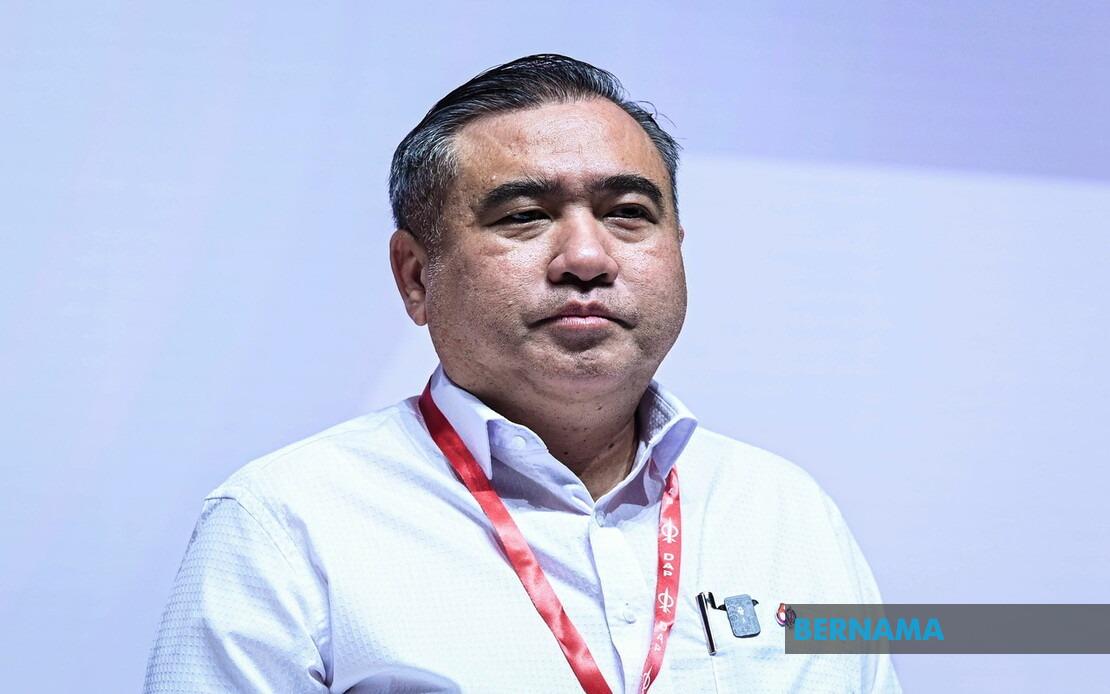
The Democratic Action Party has committed to channelling feedback from its membership directly into government decision-making, party secretary-general Anthony Loke announced at the conclusion of the 2026 DAP Party Conference in Putrajaya. Speaking at the Putrajaya International Convention Centre, Loke indicated that the party would use Cabinet-level forums to communicate delegates' expectations for bolder and more assertive governance, even as the party has reaffirmed its commitment to the ruling coalition.
The conference included a contentious open debate segment where party delegates were encouraged to voice concerns about both the party's direction and government performance without restriction. This transparent approach to internal deliberation revealed underlying tensions within DAP's membership, with some party faithful questioning whether the party and government were moving with sufficient conviction on key issues. Rather than suppress these concerns, Loke framed them as legitimate feedback that would inform the party's future advocacy within Cabinet.
Delegates overwhelmingly voted to maintain DAP's participation in the Unity Government, with 88 percent supporting the decision to remain. The numerical breakdown showed 1,857 delegates voting in favour of continued involvement against 242 opposing votes, from a total of 2,106 ballot papers distributed. Seven ballots were spoilt, reflecting the scale of internal party consultation undertaken. Loke emphasised that despite this commanding mandate, the party would respect the minority position of the 12 percent who voted against remaining in the coalition, signalling that internal dissent would not trigger disciplinary action.
The party leadership's handling of internal dissent reflects a deliberate strategy to balance unity with democratic participation. Loke stated explicitly that no party members would face consequences for voting against the motion to remain in government, underscoring DAP's commitment to respecting diverse viewpoints within its membership. This approach distinguishes DAP from more hierarchical party structures and appeals to members who value internal democratic processes. By legitimising minority positions rather than marginalising them, the party seeks to retain the allegiance of sceptical members while maintaining coalition discipline.
The mandate from delegates carries significance for DAP's positioning within the broader Unity Government framework. The party will now present itself at Cabinet discussions not merely as a willing participant but as an entity with a clear grassroots mandate for substantive reform. This positioning allows DAP to advocate for policy changes while pointing to delegate approval as justification, rather than presenting reforms as unilateral party positions. The strategy effectively converts internal party sentiment into negotiating capital within government.
Loke countered accusations from political opponents that DAP was using the conference to impose its own agenda on the Prime Minister and government. He argued that the reform priorities being discussed were not unique to DAP but represented shared commitments made across the Pakatan Harapan coalition and the broader Unity Government. These reforms, he emphasised, had been jointly agreed upon during the election campaign and subsequent coalition formation processes. By anchoring DAP's agenda to existing coalition commitments rather than presenting them as new demands, Loke sought to neutralise criticism that the party was pursuing narrow partisan interests.
Among the key reforms that Loke identified as shared government objectives were the separation of the Attorney-General and Public Prosecutor roles, the imposition of a two-term limit on the Prime Minister's tenure, and intensified efforts against corruption. These represent substantive constitutional and institutional changes that extend beyond simple policy adjustments. The framing of these as pre-agreed priorities rather than emerging demands suggests they have been negotiated into government programmes, giving DAP leverage to push for their implementation. For Malaysian observers, these reforms address longstanding governance questions that have concerned civil society and opposition figures alike.
The conference outcome positions DAP as both a loyal coalition partner and an internal reformist force. This duality creates potential for tension but also allows the party to satisfy competing constituencies within its membership. Delegates wanting the party to extract maximum concessions from government can point to the emphasis on using Cabinet channels to advance reform agendas. Meanwhile, those prioritising stability and coalition cohesion can point to the overwhelming vote to remain in government and the framing of reforms as joint commitments rather than DAP impositions.
For the broader Unity Government, DAP's continued participation remains strategically important given the coalition's reliance on diverse party groupings to maintain parliamentary majorities. DAP's role as the largest non-Malay dominated party in the coalition makes its internal stability a consideration for the Prime Minister's office. The party's decision to air internal disagreements through formal conference mechanisms rather than allowing them to fester or emerge through parallel channels demonstrates a preference for controlled, structured dialogue over destabilising public disputes.
The emphasis on democratic internal processes also addresses questions about DAP's positioning as a party committed to democratic governance. By allowing delegates to vote on coalition participation and by respecting minority positions, the party demonstrates consistency between its public statements about democratic values and its internal practices. This coherence matters for party credibility, particularly among urban, educated voters who prioritise institutional integrity and transparent decision-making. The conference's handling of internal debate may therefore strengthen rather than weaken DAP's political standing among its core supporters.
Looking ahead, the party's commitment to conveying delegate feedback through Cabinet channels will test the government's receptiveness to reform pressures. If Cabinet engages substantively with DAP's presentation of grassroots sentiment, the party leadership can claim vindication of its coalition participation strategy. Conversely, if Cabinet dismisses these calls, DAP's internal critics may gain ground in future party deliberations. The success of this approach will significantly influence whether delegates at future conferences view coalition participation as worthwhile or increasingly costly.

