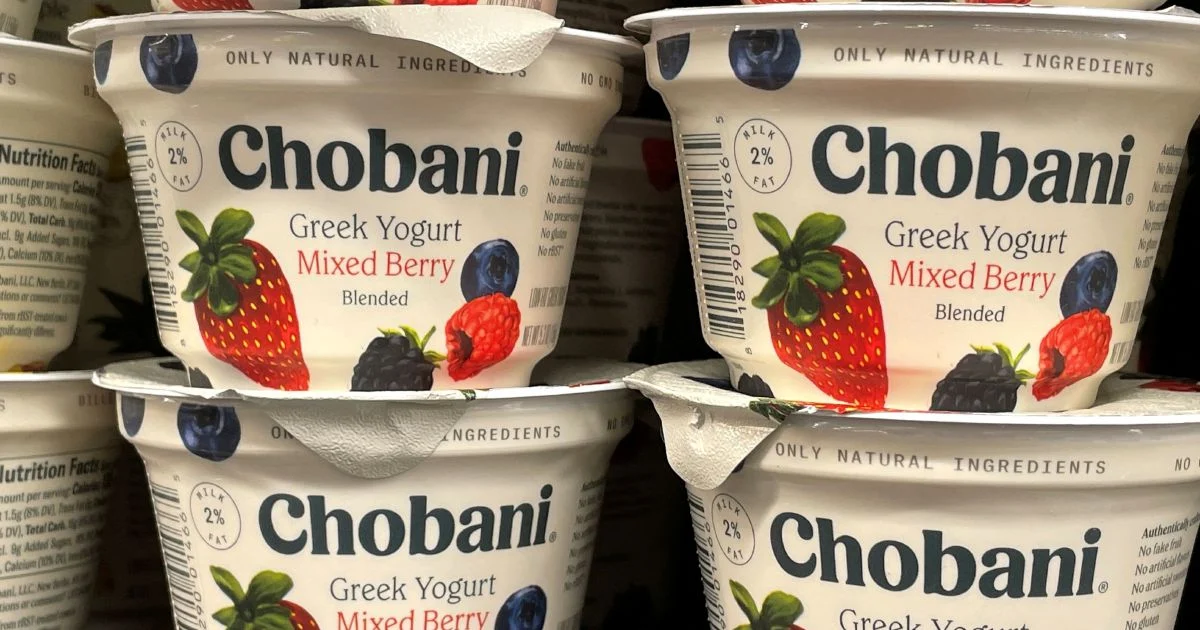
Danone, the French multinational dairy company, has escalated its battle for market dominance by filing a lawsuit against Chobani, the Turkish-American yoghurt manufacturer, over claims regarding protein content in their respective products. The legal confrontation underscores the intensifying struggle for control of one of the few food categories that continues to benefit from the growing consumer appetite for protein-enriched options, particularly among users of GLP-1 weight-loss medications like Ozempic and Mounjaro.
The dispute between these two heavyweight players reveals how dramatically the yoghurt sector has shifted in recent years. What was once considered a relatively mature, stable market has transformed into a battleground where competing brands jostle for position by emphasising nutritional benefits that appeal to health-conscious consumers and those pursuing weight management. Danone's decision to pursue legal action demonstrates that the company views Chobani not merely as another competitor, but as a genuine threat to its market share and brand positioning in this increasingly lucrative segment.
Weight-loss medications have fundamentally altered consumer behaviour across multiple food categories, and yoghurt has emerged as a particular beneficiary of this trend. Users of GLP-1 drugs experience reduced appetite and often seek to maximise their nutritional intake within smaller meal portions, making high-protein products particularly attractive. This demographic shift has created a sustained demand curve that differs markedly from traditional yoghurt consumption patterns, offering growth opportunities to manufacturers who can successfully position their products as protein-dense alternatives.
The protein claims at the centre of the dispute highlight how manufacturers compete on nutritional positioning rather than flavour or traditional product attributes. Both Danone and Chobani have built significant portions of their portfolios around Greek yoghurt and high-protein variants, products that command premium pricing and appeal to fitness-focused consumers. The legal action suggests that Danone believes Chobani may be overstating or misleading consumers about the actual protein content of their products, a claim that, if substantiated, could damage the Turkish competitor's credibility and market standing.
For Southeast Asian readers and industry observers, this transatlantic yoghurt dispute carries particular relevance. The GLP-1 medication trend, while concentrated in Western markets, shows signs of expanding globally as obesity and related health concerns intensify across the region. Malaysian consumers, particularly among urban middle and upper-income demographics, increasingly pursue health-optimised diets and weight management solutions. Should GLP-1 medications become more widely accessible and prescribed in Malaysia, the local yoghurt market could experience similar dynamics to those currently unfolding in North America and Europe.
Danone's aggressive legal stance also reflects the company's broader strategic positioning within the dairy sector. The French corporation has invested heavily in the premium yoghurt segment and recognises that sustained competition from well-funded rivals like Chobani could erode profit margins and market share. By pursuing legal remedies, Danone signals to investors, retailers, and consumers alike that it takes competitive threats seriously and possesses the resources and determination to defend its market position through regulatory and legal channels if necessary.
The timing of this lawsuit is particularly significant given the current macroeconomic environment. Consumers increasingly scrutinise product claims and nutritional labelling, partly due to heightened awareness around food marketing practices and partly due to the rise of social media influencers and health content creators who frequently fact-check brand assertions. Any successful legal challenge to competitor claims would strengthen Danone's competitive position while reinforcing consumer trust in its own nutritional messaging.
Chobani's response to this litigation will be watched closely by industry participants and market observers. The company has built its brand identity around quality, innovation, and authentic product positioning, particularly through its emphasis on Greek yoghurt production methods and all-natural ingredient lists. If the protein claim allegations prove unfounded, successfully defending against the lawsuit could enhance Chobani's reputation and market standing. Conversely, any admission or settlement acknowledging misleading claims could undermine the brand's carefully constructed positioning.
The broader implications of this dispute extend beyond the immediate commercial interests of Danone and Chobani. The yoghurt market's trajectory will likely influence how other food manufacturers approach nutritional claims and competitive positioning. Should regulatory bodies become more stringent in enforcing protein labelling standards, or should courts establish clearer precedents regarding permissible marketing language, the entire industry may need to recalibrate its promotional strategies and product development priorities.
For consumers and healthcare professionals in Southeast Asia monitoring the intersection of pharmaceutical innovations and food industry dynamics, the Danone-Chobani conflict exemplifies how market competition drives both product innovation and sometimes questionable marketing practices. As GLP-1 medications potentially expand their market presence regionally, consumers should expect similar protein-focused product development and increasingly competitive claims from yoghurt manufacturers and other food companies seeking to capture this growing demographic segment.
The outcome of Danone's legal action could reshape competitive dynamics within the yoghurt sector globally and potentially set precedents for how nutritional claims are regulated and enforced in food marketing. Whether the lawsuit succeeds or fails, the underlying message is clear: in an era where health-conscious consumers drive product purchasing decisions and weight-loss medications reshape dietary preferences, yoghurt has transitioned from a commodity product to a hotly contested premium segment worth fighting for through both innovation and legal challenge.

