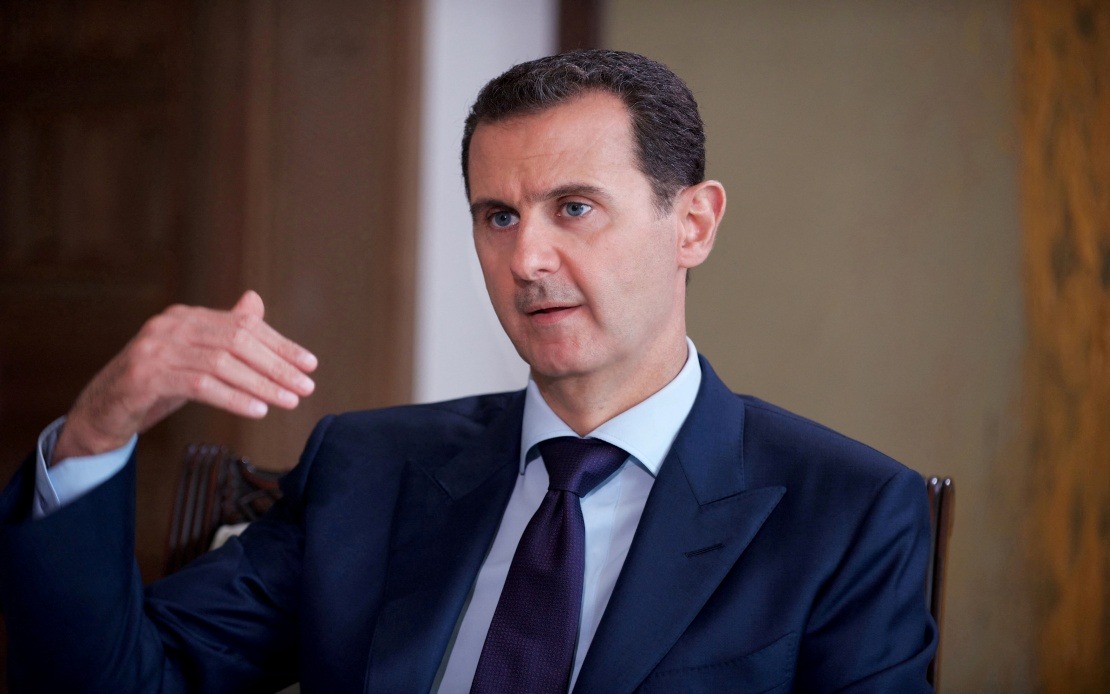
A criminal court in Damascus has delivered a death sentence against former Syrian President Bashar al-Assad in absentia, marking a significant legal reckoning for the embattled leader who fled the country as his government collapsed. The Fourth Criminal Court's verdict on Tuesday found Assad guilty of orchestrating a systematic campaign of violence that claimed countless lives, including children, alongside widespread torture and unlawful detention spanning years of conflict.
Judge Al-Aryan presided over proceedings that centred on establishing Assad's culpability as the paramount decision-maker within Syria's power structure. The tribunal's findings underscored how the former president wielded state machinery—security agencies, military apparatus, and administrative systems—as instruments to perpetrate crimes against the civilian population. This characterization fundamentally frames Assad not merely as a passive leader but as an architect of state-sponsored brutality.
The conviction encompasses multiple grave charges that paint a comprehensive picture of systematic abuse. Premeditated murder convictions reflect deliberate targeting of individuals, whilst torture charges document the systematic infliction of suffering in detention centres and military facilities. Arbitrary detention convictions address the forced disappearances and unlawful imprisonment of thousands. The crimes against humanity designation represents the court's assessment that these acts formed part of a widespread, systematic attack directed against the Syrian population.
For Malaysia and Southeast Asian observers, this verdict carries particular significance in illuminating international accountability mechanisms for authoritarian leaders. The region has witnessed similar cycles of conflict and displacement—from Myanmar's Rohingya crisis to Cambodia's historical trauma—yet concrete legal accountability remains elusive. Damascus's action demonstrates that even after a leader loses power and escapes territory, judicial systems can operate independently to document atrocities and issue formal condemnation.
The practical enforcement of this death sentence remains complicated by Assad's current whereabouts and geopolitical realities. His asylum in Russia following Syria's 2024 government collapse shields him from immediate apprehension, raising questions about whether any international mechanism could compel compliance with the judgment. Nevertheless, the legal verdict establishes an official record that future proceedings—whether domestic Syrian courts, international tribunals, or hybrid mechanisms—could reference and build upon.
The Damascus court's decision reflects Syria's tentative steps toward transitional justice following decades of devastating civil war. The country faces monumental challenges in reconstructing institutions whilst simultaneously confronting historical grievances. This conviction potentially establishes precedent for additional cases against lower-ranking officials and military commanders implicated in similar crimes, though Syria's fragile state capacity limits immediate prosecution prospects.
Regionally, the verdict resonates with ongoing debates about accountability for mass atrocities in Asia. Myanmar's military junta continues facing international scrutiny over Rohingya persecution, yet domestic prosecution remains absent. Cambodia has pursued limited accountability through hybrid courts for Khmer Rouge crimes, albeit decades after atrocities occurred. Syria's approach—moving swiftly through its own judicial system after regime change—offers an alternative model, though critics question whether victory-era courts can deliver justice perceived as legitimate rather than vengeful.
The involvement of international media documentation and witness testimony in Assad's conviction underscores modern accountability mechanisms. Human rights organizations, journalists, and defectors compiled extensive evidence of systematic abuse that courts now reference. This documentation role, increasingly performed by civil society and media organizations, creates pressure points that authoritarian systems cannot entirely suppress, though as the Assad case demonstrates, prosecution ultimately requires regime change or significant shifts in power.
International law specialists will scrutinize whether this Damascus court verdict could inform or support proceedings elsewhere. Some argue such national verdicts strengthen cases before international bodies, whilst others contend that victor's justice risks undermining legitimacy. Syria's new authorities must navigate these sensitivities whilst rebuilding state institutions and reconciling a deeply fractured society still reeling from over a decade of warfare.
The sentence against Assad also raises questions about his supporters and enablers. Russia's provision of military and diplomatic backing, along with Iran's security assistance, proved instrumental in Assad's regime survival through much of the conflict. Whether accountability mechanisms might eventually extend to foreign state actors remains speculative but reflects international tensions over responsibility for enabling atrocities.

