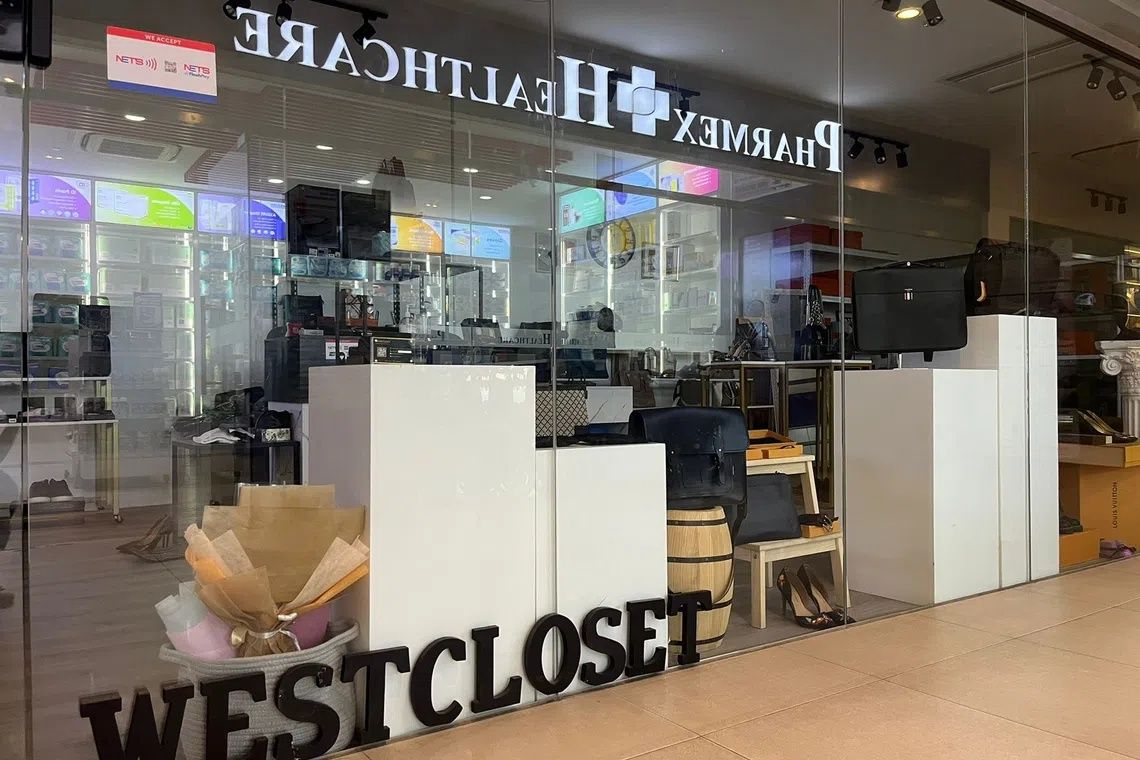
An Indonesian entrepreneur operating a luxury handbag consignment business in central Singapore's Shenton Way has been sentenced to eight months in jail after misappropriating nearly S$140,000 from five customers. Ringga Dwi Rizky Irianto, 36, ran West Closet at the OUE Downtown Gallery shopping mall, which marketed itself as a trusted platform for selling high-end designer bags on consignment through social media channels including Instagram and the popular marketplace app Carousell. The case illustrates vulnerabilities in the burgeoning secondhand luxury market in Southeast Asia, where digital platforms have lowered barriers to entry for small operators but created new opportunities for fraud.
The business model that Irianto employed was deceptively straightforward. Customers would deposit their designer handbags at the store and West Closet would undertake to sell them for a commission, with the owner taking a percentage ranging from S$200 to S$900 depending on the transaction value. Sellers were required to leave their items for up to 60 days, with a S$60 penalty imposed for extended storage. Once a bag sold, customers received a written guarantee that payment would be transferred to their bank accounts within seven days. This structured approach, combined with social media marketing, gave the operation an air of legitimacy that attracted affluent Singapore residents looking to liquidate their collections of Hermès, Chanel, and other luxury brands.
The criminal scheme unravelled through a pattern of deliberate misappropriation. In July 2022, one victim consigned three handbags—two Hermès and one Chanel—with an agreed valuation of S$51,000 total. After Irianto successfully sold all three items and generated approximately S$51,000 in revenue, she did not credit the customer's account as promised. Instead, she illicitly transferred the funds towards fulfilling another customer's order, effectively using one victim's money to cover obligations to someone else. This fraudulent reshuffling of customer funds repeated across multiple transactions, revealing a pattern of deliberate deception rather than isolated mismanagement.
The systematic nature of the theft extended across at least five separate victims, though Irianto pleaded guilty to three counts of criminal breach of trust totalling S$108,000. A second victim who had entrusted a single Hermès bag for consignment was defrauded of S$33,500 when the promised sale proceeds never materialised. A third customer lost S$23,500 under identical circumstances involving another Hermès handbag. Deputy Public Prosecutor Darren Sim presented evidence indicating that Irianto deliberately concealed these thefts from customers, maintaining normal operational appearances while diverting funds for purposes other than their intended recipients.
The discovery of the fraud occurred approximately one year after the initial victim deposited bags in July 2022. Irianto was arrested in September 2022, though charges were not formally filed until 2024, suggesting a lengthy investigation period. By the time of sentencing in August, she had already made partial restitution of S$41,000 to victims, though this represented only 29 percent of the total amount stolen. The court ordered her to pay an additional S$91,950 in compensation through an investigation officer managing the case. Critically, should Irianto fail to meet this financial obligation, she faces an additional 24 days of incarceration, creating financial pressure to settle the debt while serving her sentence or upon release.
The sentencing carries significant implications for the secondhand luxury goods market in Singapore and throughout Southeast Asia. The consignment model has grown exponentially as affluent consumers seek sustainable consumption practices and as entrepreneurs recognise the lucrative market for authenticated luxury resales. However, the West Closet case demonstrates that current regulatory frameworks may inadequately protect consumers engaging with small, privately-operated consignment businesses. Unlike established auction houses or major luxury resale platforms backed by venture capital and professional compliance departments, independent operators often lack transparency mechanisms, formal auditing procedures, or customer protection guarantees.
Under Singapore law, criminal breach of trust carries substantial penalties—offenders face potential imprisonment of up to seven years, fines, or both. Irianto's eight-month sentence, while serious, represents a relatively modest penalty compared to the maximum prescribed, suggesting either mitigating factors or a judicial preference for restitution-focused sentencing in financial crimes. Her bail was set at S$15,000 and she was expected to commence her jail term in October, allowing time for financial settlement efforts. The case will likely prompt heightened scrutiny of consignment businesses operating through social media and marketplace platforms, particularly those handling high-value items.
For Malaysian consumers and entrepreneurs monitoring developments in the region's luxury goods sector, the West Closet prosecution offers cautionary insights. The sophistication of social media marketing and professional-appearing operational structures can obscure weak underlying controls and unvetted operators. Similar consignment services operate throughout Malaysia, particularly in Kuala Lumpur's shopping districts, yet regional consumer protection frameworks remain fragmented. The incident underscores the necessity for customers engaging with independent consignment operators to verify credentials, seek references, examine contractual guarantees, and maintain detailed documentation of transactions. For business owners, it demonstrates that even seemingly minor deviations from customer agreements can constitute serious criminal offences with substantial personal liability.
The timeline of this case—from July 2022 discovery to August sentencing—also reveals the substantial delays inherent in prosecuting financial crimes across multiple victims with complex transactional evidence. Irianto's case required investigation and coordination among five separate aggrieved parties before formal charges emerged in 2024. These procedural delays create extended periods of uncertainty for victims awaiting compensation and may discourage reporting of similar frauds if investigation processes are perceived as excessively protracted. For Malaysian authorities overseeing consumer protection and financial crime prosecution, the Singapore case provides practical evidence regarding resource requirements and coordination challenges in pursuing organised fraud schemes within the services sector.
Moving forward, the West Closet incident will likely influence how online marketplaces and social media platforms moderate listings for high-value consignment services. Carousell and Instagram, which featured West Closet's promotional materials, now face implicit pressure to implement enhanced verification procedures for sellers handling significant customer valuables. In Malaysia and across ASEAN, regulatory bodies supervising consumer protection may accelerate development of specific guidelines for consignment businesses, potentially requiring licensing, mandatory insurance, client trust accounts, and periodic auditing. The case also suggests that consumers should prioritise established platforms with built-in escrow protections, verified seller ratings, and corporate backing over independent operators, regardless of professional presentation or social media reach.

