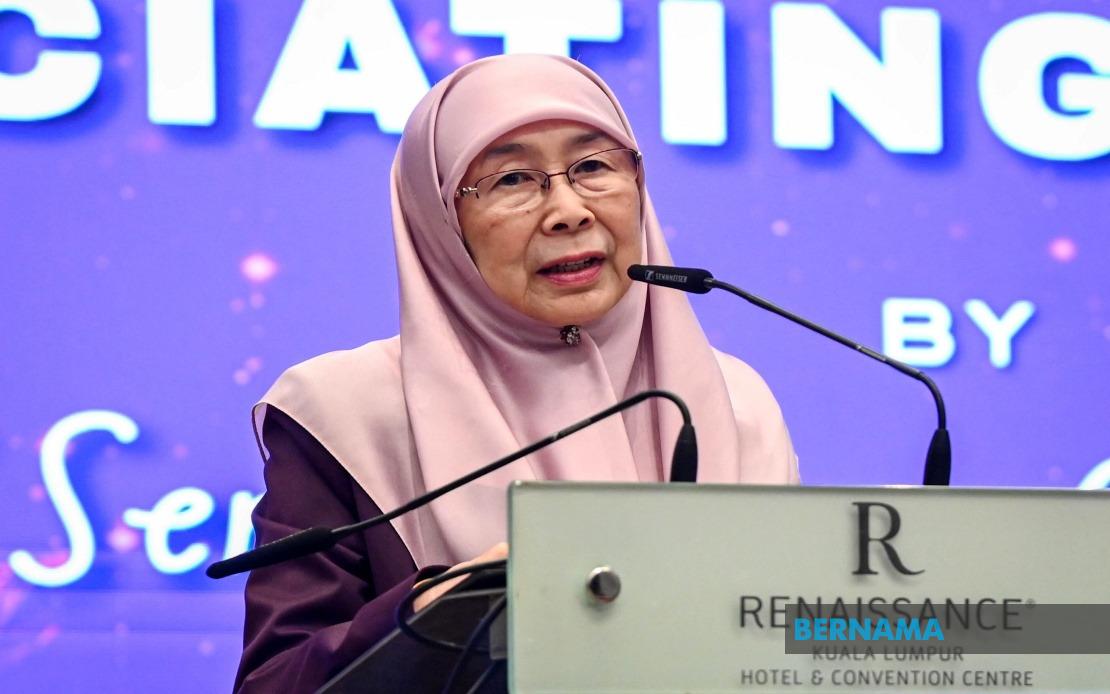
Patient-centred care grounded in human compassion must remain central to how maternal healthcare is delivered, even as innovation transforms medical practice. This emphasis came from Datuk Seri Dr Wan Azizah Wan Ismail as she addressed the opening of the 16th Malaysian Obstetric Anaesthesiology Symposium (MyOASym) 2026 in Kuala Lumpur, highlighting a philosophy that technology and technique, while essential, cannot replace the dignity and emotional support that mothers deserve during pregnancy and childbirth.
Measuring excellence in obstetric care extends beyond laboratory results and clinical outcomes. Wan Azizah stressed that healthcare systems must evaluate success through how they treat patients as individuals, recognising that pregnancy and childbirth represent pivotal, deeply personal moments in a family's life. This holistic approach to assessment reflects growing recognition among healthcare leaders that maternal mortality and morbidity rates alone do not capture the full quality of care mothers receive. The experience of pregnancy—how respected and supported a woman feels, how her concerns are heard and addressed—shapes not only her immediate health but her confidence in future healthcare interactions.
While technological advances and novel medical interventions undeniably improve clinical capacity, these tools remain incomplete without compassionate application. Wan Azizah articulated this balance directly: innovation divorced from compassion cannot achieve true excellence in patient care. The distinction matters particularly in obstetrics, where the stakes involve two lives and decisions made during labour and delivery can have lifelong implications for both mother and child.
Contemporary maternal healthcare presents increasingly complex scenarios that demand exceptional clinical skill and cultural sensitivity. Advanced maternal age, pre-existing obesity, intricate cardiac conditions, and life-threatening obstetric haemorrhage now feature prominently in hospital maternity units across Malaysia and the region. Managing these complications requires healthcare systems to develop deeper expertise, invest in specialist training, and foster environments where practitioners can safely discuss and learn from challenging cases. The growing prevalence of these conditions reflects demographic shifts and changing health profiles in Southeast Asia, where obesity rates have risen substantially and women increasingly delay childbearing into their 40s.
Multidisciplinary collaboration emerges as the practical foundation for managing high-risk maternal cases effectively. Wan Azizah advocated strongly for regular simulation-based training that brings together anaesthesiologists, obstetricians, and neonatologists—specialists whose coordination determines outcomes during obstetric emergencies. Simulation training creates psychological safety for teams to practice crisis responses, identify communication breakdowns, and develop the muscle memory that matters when seconds determine survival. This collaborative approach counteracts the professional silos that historically have characterised hospital departments, where specialists operated largely independently despite their interdependence in managing complex deliveries.
Institutionalising early warning systems represents another practical strategy Wan Azizah emphasised for transforming potential crises into recovery narratives. Such systems employ objective criteria and standardised protocols to flag deteriorating maternal or fetal conditions early, before emergencies escalate. Paired with workplace cultures that encourage clear, non-hierarchical communication—where junior doctors feel empowered to voice concerns—these systems have demonstrated capacity to prevent maternal deaths from preventable causes. Malaysian and Southeast Asian hospitals increasingly adopt such approaches, yet implementation remains uneven across public and private sectors.
The advice Wan Azizah offered young healthcare professionals speaks to the profession's future in Malaysia. Encouraging lifelong curiosity, commitment to continuous learning, willingness to seek mentorship, and comfort with asking difficult questions establishes a culture where improvement becomes ongoing rather than occasional. This developmental mindset proves especially important in obstetrics, where clinical knowledge constantly evolves and yesterday's standard practices may be superseded by evidence-based alternatives. Equally, her emphasis on developing empathy alongside technical skill acknowledges that even the most skilled clinician causes harm if indifferent to the emotional dimensions of patient experience.
The international participation at MyOASym 2026—bringing together maternal healthcare specialists from Singapore, Hong Kong, Pakistan, and across Malaysia—reflects the value of cross-border knowledge exchange in addressing shared regional health challenges. Obstetric anaesthesia remains a critical subspecialty in managing maternal mortality, particularly in developing healthcare settings where access to emergency caesarean section and blood transfusions can be limited. Symposia like this facilitate dialogue about best practices adapted to different resource contexts, allowing countries to learn from each other's innovations and mistakes.
For Malaysian policymakers and hospital administrators, Wan Azizah's remarks reinforce that investment in maternal health infrastructure requires simultaneous attention to clinical training, system design, and workplace culture. The message resonates particularly in a health system where the government operates extensive network of public maternity facilities serving millions of women, alongside private sector providers serving middle and upper-income populations. Ensuring that compassion-guided innovation reaches all mothers, regardless of economic status or geography, remains an ongoing challenge for Malaysia's healthcare system and the broader Southeast Asian region.

