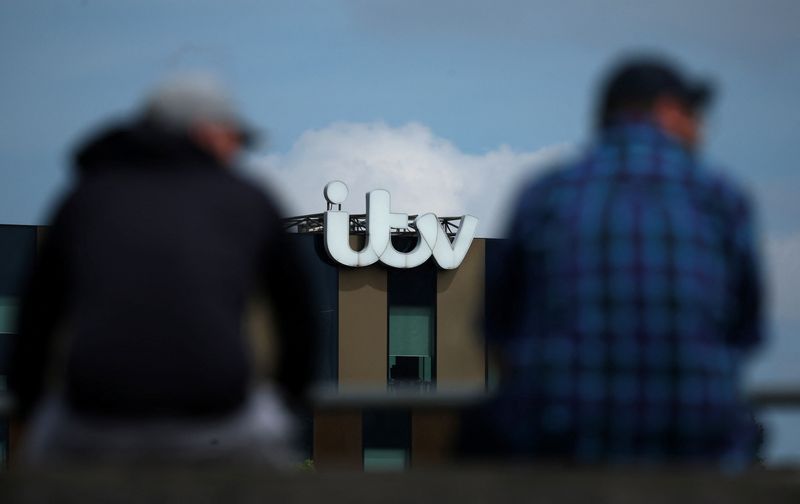
Comcast-owned Sky has secured agreement to acquire the broadcast channels and streaming operations of Britain's ITV for £1.6 billion (US$2.13 billion), a transaction that fundamentally restructures the United Kingdom's broadcasting sector and signals a critical recalibration in how traditional television operators respond to digital disruption. The announcement, confirmed on Monday, represents what Sky Chief Executive Dana Strong characterised as a watershed moment in British broadcasting history, though the transaction will require clearance from UK regulators and lawmakers who are likely to scrutinise its competitive implications intensely.
The convergence of Britain's dominant free-to-air commercial television broadcaster with the nation's leading pay-TV operator marks a striking reversal of precedent. Just years earlier, such a combination would have faced insurmountable regulatory obstacles. The dramatic shift reflects the deteriorating position of legacy television businesses in an environment where streaming platforms and digital-video services like YouTube have fundamentally reordered audience behaviour and advertising expenditure. Both ITV and Sky have felt the pressure acutely. ITV's equity has declined 36 percent over five years as the company battled persistent weakness in the traditional advertising market. A unified entity, the companies argue, provides the financial and operational capacity to invest substantially in original programming while competing credibly against global entertainment giants.
The combined enterprise will wield considerable influence within Britain's media ecosystem, controlling more than 70 percent of the UK television advertising market when accounting for existing third-party contracts that Sky manages on behalf of other broadcasters, including Paramount-owned Channel 5. This market concentration poses the deal's most visible regulatory vulnerability. Industry observers anticipate that Sky may be compelled to divest certain advertising-sales contracts to secure approval, a structural concession designed to preserve competitive dynamics in the advertising sector. The merged operation will serve approximately 20 million households, cementing a commanding position in British pay-television and commercial broadcasting.
Regulatory precedent has begun shifting in favour of consolidation. Culture Minister Lisa Nandy recently signalled receptiveness to media transactions that promise to strengthen British industry competitiveness, noting her willingness to examine the Paramount-Warner deal as evidence of government appetite for selective intervention. The new administration's emphasis on prioritising growth conditions and investment has created a different policy environment than existed under previous governments. Dealmakers across Britain are tracking this transaction closely as a potential indicator of the regulatory thresholds now acceptable to officials who prioritise international competitive positioning over fragmented domestic structures.
ITV will operate as a distinct production entity following the transaction's completion, continuing to develop original content for the combined ITV-Sky broadcaster while simultaneously supplying programming to external partners including Disney, Apple TV, and other streaming platforms. This vertical structure preserves ITV's established production capabilities, which have generated widely distributed content including Love Island, Coronation Street, and international series like Rivals and The Reluctant Traveller. The arrangement acknowledges that ITV's production expertise holds value beyond Sky's direct commercial interests and protects revenue streams from third-party content sales that have become increasingly important for the broadcast industry.
Financial terms reflect ITV's diminished market valuation and negotiating position. The broadcaster will receive £1.2 billion in immediate cash payments, with an additional contingent earn-out worth up to £200 million contingent on advertising performance during the 2027 financial year. The transaction also includes Sky's acquisition of Love Productions, the production company behind the internationally acclaimed Great British Bake Off, which will consolidate with the remaining ITV Studios operations. These terms value ITV's immediate cash flows modestly while linking future payments to advertising market recovery, a structure that distributes downside risk between the parties.
The merged entity has committed to minimum spending of £2.1 billion on programming and content production across the 2028-2032 period, a pledge intended to address regulatory and political concerns regarding content quality and investment depth. This undertaking exceeds typical commercial broadcaster expenditure levels and represents a strategic response to government expectations that consolidated entities justify market concentration through enhanced investment. The scale of this commitment underscores Sky's determination to secure regulatory approval by demonstrating that consolidation will strengthen rather than diminish British content production and distribution capacity.
Comcast's ownership of Sky provides the American telecommunications conglomerate with access to British media assets at a moment when the corporation is actively restructuring its portfolio. In June, Comcast announced plans to separate its media holdings, including NBCUniversal and Sky, from its core cable operations, reflecting recognition that traditional broadband and video distribution businesses operate under different growth dynamics than media production and streaming platforms. This acquisition accelerates Comcast's strategy of consolidating premium television assets within its media division while rationalising its operational footprint.
Sky's trajectory under Comcast represents continuity with its earlier Murdoch-era identity but under fundamentally different strategic direction. Rupert Murdoch established Sky in 1989, and his son James subsequently held key executive positions within the organisation. Comcast's 2018 acquisition marked a pivot toward American media-conglomerate governance and strategic orientation. The current acquisition of ITV demonstrates Comcast's commitment to strengthening Sky's competitive position within European media markets by extending its content production capabilities and advertising reach across Britain's broadcast television sector.
The acquisition addresses a stark reality confronting traditional television operators worldwide: audiences, particularly younger viewers aged 16 to 24, are migrating definitively toward streaming platforms and digital content services. Traditional advertising-supported broadcast television continues contracting as a proportion of overall media consumption, compelling legacy operators to seek scale and cost efficiencies through consolidation. Without a substantial combined presence spanning both subscription and advertising revenue models, neither ITV nor Sky possessed sufficient resources to maintain competitive parity with Netflix, Amazon, Disney, and other streaming giants that operate on global scales with substantial technology and content investment budgets.
British policymakers must now balance competing objectives as they evaluate the transaction. Enabling media consolidation supports the government's growth priorities and provides British operators with enhanced competitive tools for international competition. Conversely, market concentration in television advertising and content production raises legitimate competition concerns, particularly regarding independent broadcasters' access to advertising sales infrastructure and content distribution platforms. The regulatory review will likely establish precedents for future media consolidation in Britain, signalling to other legacy media companies whether similar consolidation strategies remain viable under the new government's policy framework.

