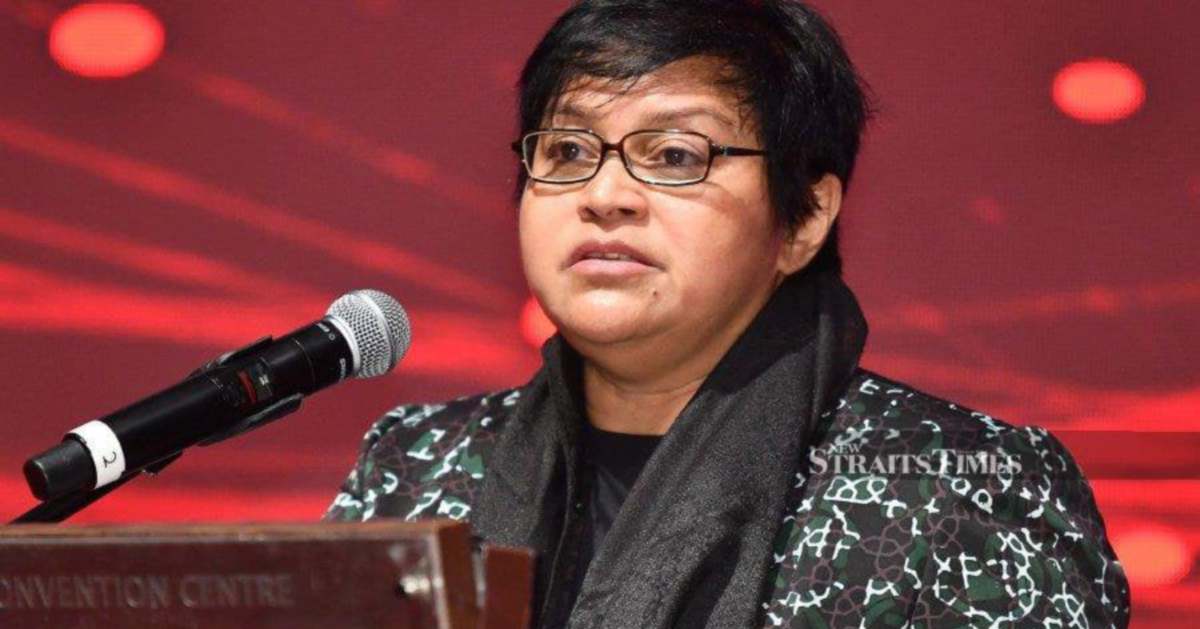
Senior Umno figure Datuk Seri Azalina Othman Said has cautioned against premature negotiations regarding potential coalition or unity arrangements in Johor, stressing that such discussions must await the official outcome of the polls. The information chief's intervention signals attempts within the ruling coalition to maintain electoral focus and prevent destabilising pre-emptive power-sharing arrangements that could complicate or compromise the voting process itself.
Azalina's statement reflects broader concerns within Umno and the Barisan Nasional about the perception of political horse-trading overshadowing substantive campaign messaging. In recent election cycles across Malaysia, speculation about post-election coalition mechanics has occasionally distracted from policy platforms and voter engagement, potentially undermining the clarity with which voters can assess their choices. By firmly tethering coalition discussions to the actual electoral mandate, Azalina attempts to reframe the narrative around the party's achievements and vision rather than the mechanics of maintaining power.
The Johor political landscape remains strategically significant for Umno and Barisan Nasional, given the state's historical role as a traditional stronghold and its contributions to overall parliamentary strength. The state's economic importance, its demographics spanning urban and rural constituencies, and its influence on national political equations make its electoral outcome particularly consequential. Johor's results have historically provided momentum or setbacks for governing coalitions, making the state a bellwether for broader national electoral health.
Azalina's position also implicitly addresses the risk that coalition negotiations conducted before balloting could invite accusations of predetermined outcomes or backroom dealings that alienate swing voters who expect genuine electoral competition. In an era of heightened voter cynicism regarding political machinations, the appearance of parties stitching together power arrangements before voters have spoken carries reputational hazards. By maintaining public discipline and postponing such discussions, Umno can position itself as respecting democratic processes and voter sovereignty.
The call for patience gains added weight given Malaysia's recent political volatility, including shifts in state-level alignments and federal configurations that have reflected voter frustration with perceived political gaming. Sabah, Sarawak, and most recently the Selangor results have demonstrated that electorates are increasingly willing to reject configurations they view as insufficiently responsive or transparently accountable. Azalina's stance potentially acknowledges these lessons and attempts to project a more disciplined, voter-focused approach.
Umno's internal cohesion on electoral strategy matters considerably, especially given occasional divergences between national leadership and state-level figures regarding coalition arrangements and candidate selection. A unified message from the information chief about postponing coalition talks helps establish organisational discipline and prevents grassroots activists or state leaders from creating conflicting signals that might confuse voters or appear to suggest predetermined power divisions. This coherence becomes particularly valuable in the final campaign phase when consistency strengthens messaging impact.
The statement also touches on broader questions about when opposition parties should formally engage with Barisan Nasional regarding potential post-election cooperation. If Umno is publicly committing to delay coalition negotiations until results are known, this simultaneously signals to opposition quarters that premature discussions may be viewed unfavourably. Such signalling can influence how other parties conduct themselves during the campaign period and whether they maintain clear electoral separation or hint at possible accommodation.
For Malaysian voters and observers monitoring Johor's political trajectory, Azalina's intervention provides transparency regarding the governing coalition's intended timeline for post-election negotiations. This clarity permits voters to distinguish between campaign commitments made before polling and any subsequent arrangements negotiated afterwards. While it does not prevent coalition discussions from occurring rapidly after results are announced, it establishes a procedural principle that maintains at least a temporal boundary between electoral competition and power-sharing negotiations.
The Johor election occurs within the broader context of state-level and federal political dynamics that have demonstrated surprising fluidity over recent years. Azalina's emphasis on respecting the results-first principle before coalition formation attempts to anchor Umno's approach in democratic legitimacy rather than pre-emptive power positioning. Whether subsequent coalition negotiations respect this stated principle will itself become a measure of Umno's commitment to electoral propriety and will influence how such arrangements are perceived by voters and observers evaluating the party's democratic credentials.
Ultimately, Azalina's position reflects pragmatic political calculation combining disciplinary messaging for internal consumption with an attempt to project institutional respect for democratic processes. By deferring coalition discussion until ballots are counted, Umno positions itself as electorally confident and respectful of voter agency, while simultaneously preventing speculation from dominating campaign narratives. This approach has become increasingly important as Malaysian voters demonstrate greater sophistication in distinguishing between genuine policy differentiation and perceived arrangements that prioritise elite interests over substantive governance alternatives.

