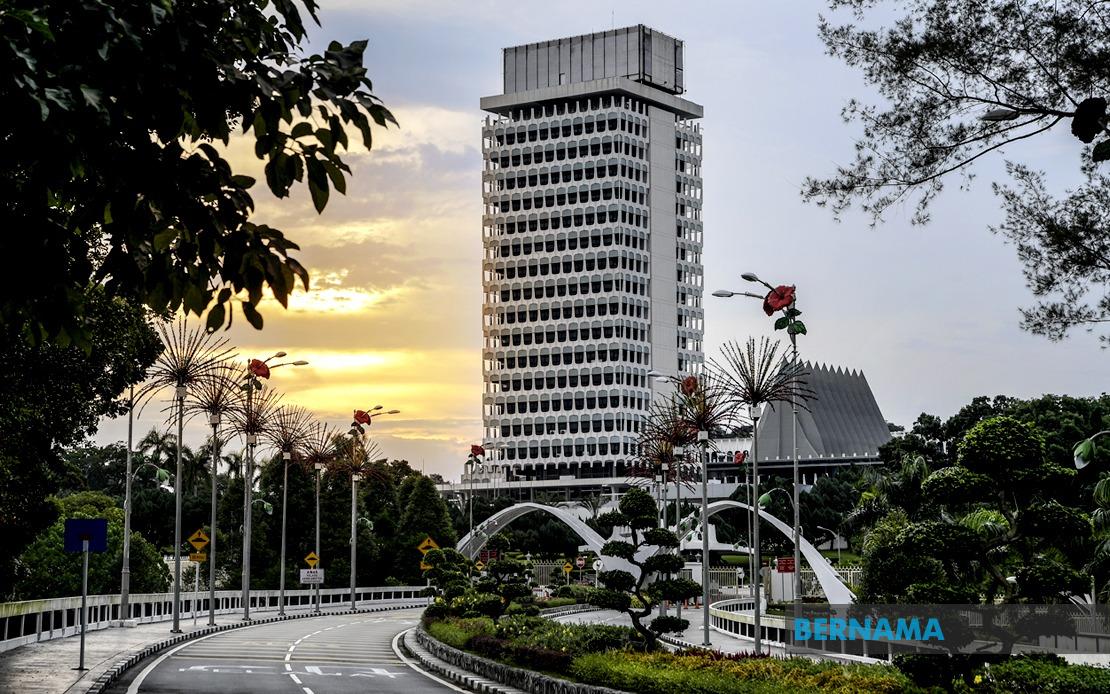
A broad coalition of Malaysian civil society groups has launched a coordinated appeal for political stability, calling on the 15th Parliament to remain intact through its scheduled expiration on 18 December 2027. The initiative, announced in August, represents an unusual alignment of disparate civic organisations united around a common agenda for institutional renewal. Rather than pursuing short-term political advantage, the signatories argue that Malaysia's democratic maturation depends on having sufficient parliamentary time to implement substantive structural changes that transcend the interests of any single administration.
Among the forty-four organisations backing the statement are prominent watchdogs including Bersih, the Coalition for Clean and Fair Elections, alongside religious and youth-oriented groups such as ABIM and Angkatan Belia Islam Malaysia. The Centre to Combat Corruption and Cronyism, IDEAS, and other governance-focused bodies also joined the appeal, reflecting a cross-ideological recognition that Malaysia's political system requires foundational reforms. The timing of this intervention, coming as the nation navigates its current parliamentary cycle, underscores growing concern that routine electoral cycles may prevent the implementation of deeper changes needed to institutionalise democratic norms and check executive overreach.
The campaign's central argument pivots on a pragmatic observation about legislative timetables. Completing significant constitutional amendments and enacting new framework legislation demands stable parliamentary control and extended deliberation across government and opposition benches. The signatories specifically invite Prime Minister Datuk Seri Anwar Ibrahim to convene a cross-party leaders' gathering aimed at building consensus around shared reform priorities. This proposal acknowledges a hard political reality: reforms with genuine staying power typically require broad-based agreement rather than partisan majorities susceptible to reversal by successive governments.
The proposed constitutional agenda is substantial and reform-minded. Chief among the proposals is a structural separation of the Attorney General and Public Prosecutor roles—a long-standing concern in Malaysian governance circles, as the current fusion of prosecutorial and legal advisory functions potentially compromises judicial independence and invites accusations of political manipulation of the criminal justice system. The civil society groups additionally advocate for an explicit ten-year limit on prime ministerial tenure, a constraint that would prevent indefinite executive accumulation of power and create regular opportunities for renewal within ruling coalitions.
Beyond the constitutional architecture, the organisations call for enactment of two foundational statutes addressing transparency and accountability. An Ombudsman Act would establish an independent mechanism for investigating citizen grievances against government agencies, a crucial oversight tool lacking formal statutory grounding in Malaysia's current framework. Equally significant is proposed Freedom of Information legislation, which would mandate proactive disclosure of government records and establish procedures for public access—a governance feature present in most developed democracies but absent from Malaysia's regulatory landscape.
The reform agenda also targets endemic inequities in how developmental resources flow to elected representatives. Under current practice, federal development allocations are often distributed according to partisan criteria, with government-aligned parliamentarians and assemblymen receiving preferential treatment. The proposed legislation would mandate equitable distribution irrespective of political affiliation, thereby reducing the structural advantage incumbent coalitions enjoy and fostering more competitive electoral dynamics. Parallel reforms at state level would extend this principle across Malaysia's territorial governance hierarchy.
Electoral modernisation features prominently in the civil society programme. The organisations propose expanding postal and absentee voting mechanisms to facilitate participation by Malaysians working abroad or residing outside their home constituencies—a recognition that Malaysia's growing diaspora and internal migration patterns render traditional polling-place voting increasingly inconvenient. Meanwhile, suggestions to amend the Election Offences Act 1954 reflect ongoing scrutiny of laws that critics argue disproportionately constrain opposition campaigning while leaving government campaigns less tightly regulated.
At the state level, the civil society coalition advocates introducing proportional representation through party-list systems for assemblymen elections, a shift that would fundamentally alter the political economy of state politics by enabling smaller parties and independent candidates greater legislative representation. This reform would also facilitate greater demographic diversity in legislative bodies. The proposals specifically emphasise expanded representation for women, youth, indigenous Orang Asli communities, and ethnic minorities—categories historically underrepresented in Malaysian legislative institutions despite constituting substantial portions of the electorate.
Parliamentary strengthening constitutes another pillar of the reform vision. The organisations highlight the need to enhance the capacity and independence of parliamentary committees, thereby enabling legislators to exercise more rigorous scrutiny over executive action and legislative proposals. Reforms to budget procedures would streamline deliberation whilst preserving parliamentary input, whilst new mechanisms for tabling and debating Private Members' Bills would restore substantive legislative space for individual parliamentarians beyond executive-sponsored measures.
The civil society appeal also addresses electoral timing and voter preparation. Organisations urge both federal and state governments to provide advance notice of any intention to dissolve legislatures before their terms expire, allowing the Election Commission, law enforcement, civil service, and the electorate itself adequate preparation time. This proposal responds to frustrations with surprise dissolutions that compress campaign periods and curtail voter capacity to assess candidates and their platforms thoroughly. Such transparency would also enhance administrative readiness and reduce opportunities for electoral manipulation during the dissolution period.
For Malaysia, the significance of this civil society intervention extends beyond the specific reforms proposed. It signals that governance improvement enjoys backing across ideological divides, suggesting potential for cross-partisan dialogue on institutional matters separate from partisan competition. The appeal to Prime Minister Anwar Ibrahim to convene an all-party leaders' summit reflects confidence that Malaysia's political elite might prioritise long-term institutional credibility over short-term factional advantage. Whether such an opening materialises will test both the government's commitment to democratic renewal and opposition parties' willingness to engage constructively beyond immediate electoral calculations.

