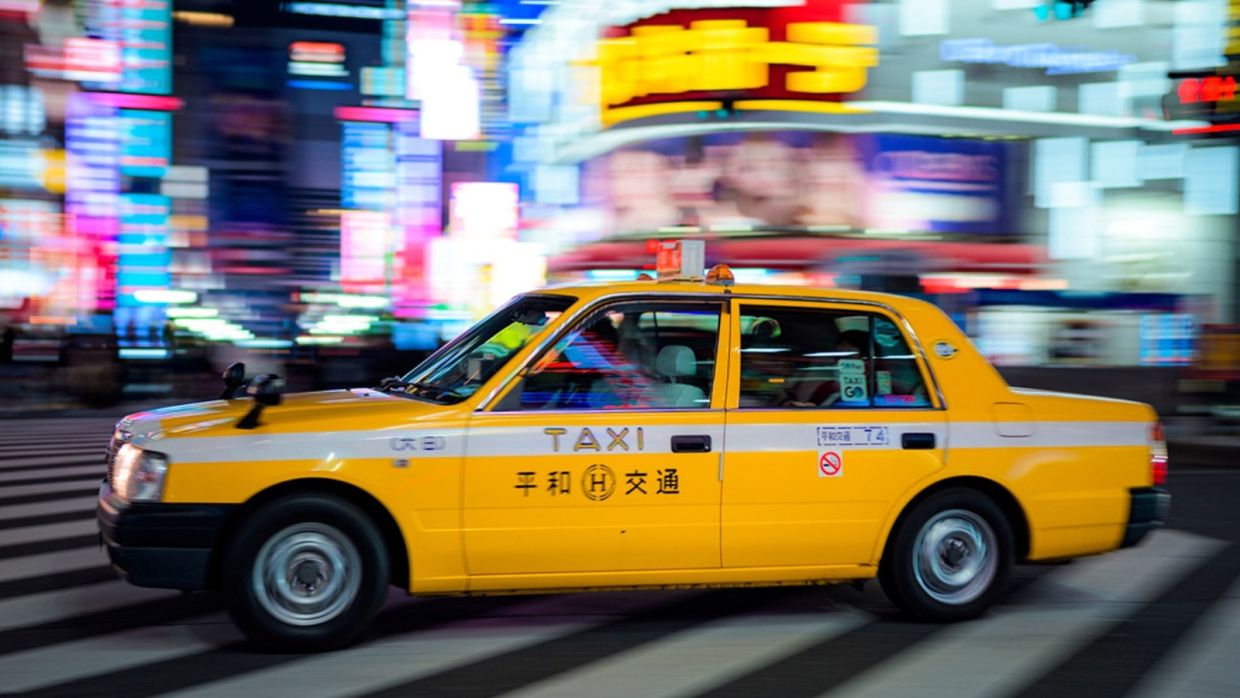
A 41-year-old Chinese man named Wang Xiaoyu has been arrested by Tokyo Metropolitan Police on suspicion of running an unlicensed taxi network that exploited Japan's regulatory framework to ferry tourists throughout the capital. The operation, which authorities allege operated between February and April of this year, centred on leasing commercially registered vehicles to individuals who were not employees of the legitimate company whose name Wang used to conduct the scheme. Police say Wang effectively managed the chauffeur service company whose credentials he leveraged, using its status to circumvent legal transportation restrictions and generate substantial illicit revenue.
The scheme capitalised on Japan's "urban hire" vehicle classification, a transportation category introduced in 2014 that operates under specific regulatory parameters designed to distinguish it from conventional taxi services. Vehicles registered under this category are identified by distinctive green licence plates and are intended for advance reservations with passengers required to book charter services for a minimum of two-hour periods. This framework was meant to create a distinct market segment separate from the heavily regulated traditional taxi industry. However, Wang's operation demonstrates how the system can be subverted when individuals gain operational control of legitimate firms while ostensibly maintaining the company's compliance facade.
Investigators have traced approximately 38 million yen—equivalent to around $233,000—flowing into Wang's operation as fees paid by eighteen separate drivers who leased access to the green-plated vehicles under Phoenix Kokusai's corporate name. The period covered by police investigation spans from November 2024 through May 2026, suggesting the operation was both substantial and sustained over an extended timeline. The financial scale indicates this was not a small-scale venture but rather an organized effort generating considerable revenue from tourists, predominantly Chinese nationals, seeking ground transportation in Tokyo. The money flowed directly to Wang as compensation for allowing drivers to use the company's legitimate credentials to operate what amounted to unlicensed taxis.
The investigation originated following complaints lodged by legitimate taxi operators in Tokyo who noticed suspicious activity at Haneda Airport, the city's major international gateway. These established drivers reported that vehicles bearing the green urban hire plates were engaging in prohibited solicitation of passengers, the hallmark behaviour of unlicensed taxi operations. Rather than waiting for advance reservations as the regulatory framework requires, these vehicles were actively seeking customers at airport terminals—a practice that violates both the spirit and letter of Japan's transportation regulations. The pattern of aggressive solicitation at a major tourist arrival point drew sufficient attention from the taxi industry to trigger formal complaints to authorities.
Police have also apprehended three additional drivers involved in the scheme, all of whom are Chinese nationals. These individuals operated the actual vehicles and transported customers on behalf of Wang's network, making them directly responsible for the street-level violations of Japan's Road Transportation Act. Their arrests reflect authorities' determination to dismantle the entire operational structure rather than focusing solely on the organizer. The involvement of multiple foreign nationals in the scheme highlights how international networks can exploit regulatory loopholes, particularly when language barriers and transient populations make supervision more challenging for local enforcement agencies.
Wang has only partially acknowledged the allegations against him, suggesting potential complications in the legal proceedings ahead. His contested admission indicates he may argue certain aspects of the operation or challenge the scope of police allegations. This defensive posture could complicate prosecution efforts, though the financial evidence linking him to vehicle leasing arrangements under Phoenix Kokusai's name provides substantial documentary proof of his central role. The partial denial strategy may reflect legal counsel's assessment of which elements of the accusations are most defensible given available evidence.
Japan's transportation regulatory authority, the Ministry of Land, Infrastructure, Transport and Tourism, has documented significant growth in the urban hire vehicle sector over the past decade. The number of registered urban hire vehicles expanded from 3,868 in fiscal 2013 to 8,850 in fiscal 2024, nearly a 130 percent increase that directly correlates with Japan's tourism surge. This explosive growth in a relatively loosely monitored sector has created opportunities for bad actors to exploit the system's gaps. The green licence plate distinction, while intended as a regulatory clarity measure, has become something authorities themselves acknowledge can be easily misused, as vehicles bearing these plates are difficult to distinguish from legitimate operators through visual inspection alone.
For Malaysia and Southeast Asia, this case carries instructive implications about regulatory vulnerabilities in transportation markets experiencing rapid tourism growth. As nations across the region expand tourism infrastructure and introduce flexible transportation categories to serve growing numbers of international visitors, the Tokyo case demonstrates how such systems can be exploited by organized networks willing to bend or break rules. The incident suggests Southeast Asian governments should scrutinize their own regulatory frameworks governing non-traditional transportation services, particularly ride-sharing and charter services, to identify similar vulnerabilities before they become vehicles for coordinated illegal operations.
The broader challenge facing Tokyo authorities mirrors pressures that regional neighbours will increasingly confront as tourism rebounds and competition intensifies among transportation providers. The existence of legitimate grey-market transportation services creates opportunities for exploitation by those seeking to maximize profit by sidestepping regulatory compliance costs. Wang's operation generated substantial revenue precisely because unlicensed operations can undercut regulated competitors by avoiding insurance, safety, and labour compliance expenses. Addressing this pattern requires regulatory frameworks that remain flexible enough to accommodate market evolution while maintaining enforcement mechanisms sufficiently rigorous to detect and prosecute organized violations before they become entrenched.

