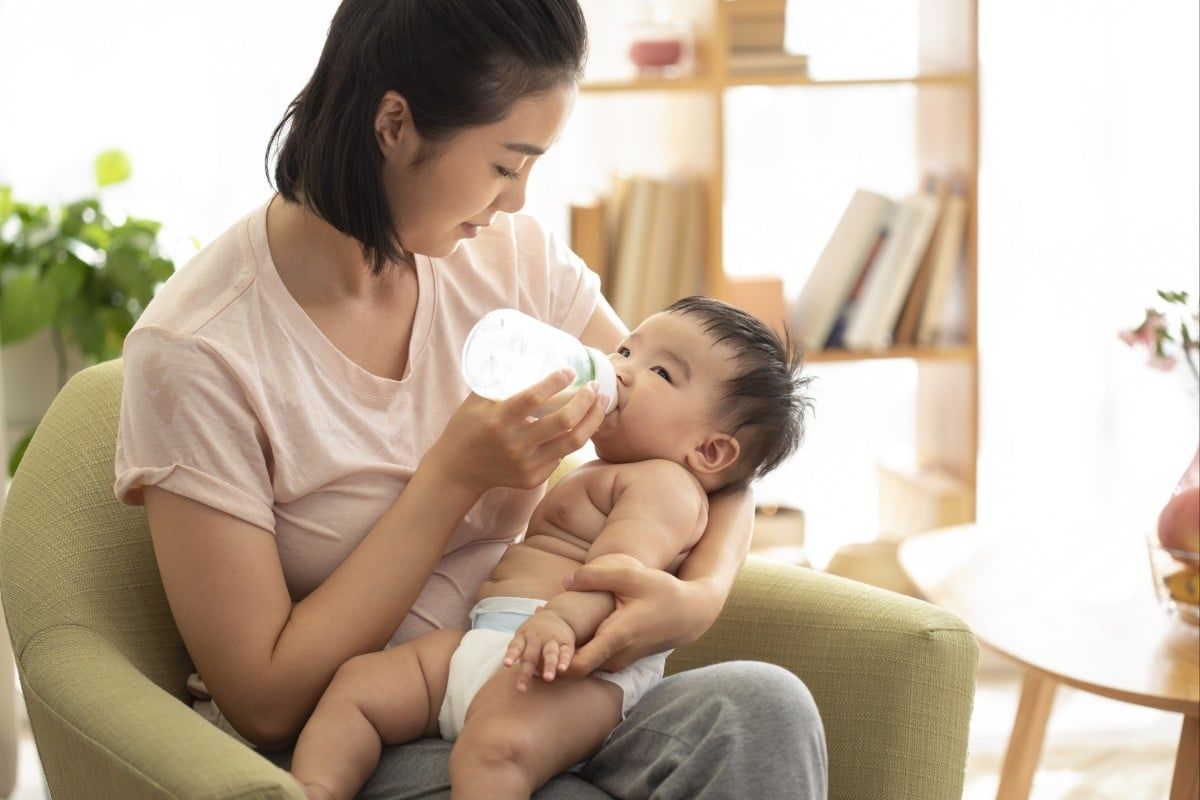
A three-month-old boy in southern China's Guangdong province spent days in intensive care after his parents unknowingly poisoned him by preparing his milk formula with vegetable juice instead of plain water. The infant was admitted to Zhongshan Women and Children's Hospital displaying severe symptoms including purplish discoloration of the skin, a bluish-purple mouth, and breathing difficulties. His condition deteriorated rapidly following consumption of the formula, prompting emergency hospitalization. Though discharged after two days of treatment in mid-June, the case underscores a troubling gap between parental intuition and infant nutritional science.
The parents' decision to use vegetable juice stemmed from a reasonable but ultimately dangerous assumption: that the added nutrients from vegetables would benefit their young child more than plain water. This reasoning reflects a broader trend among parents seeking to optimize their infants' early nutrition through what they perceive as more natural or wholesome ingredients. However, medical professionals warn that such well-intentioned substitutions can have catastrophic consequences when an infant's physiology cannot process certain compounds. The hospital's subsequent diagnosis revealed nitrite toxicity as the culprit, a condition that develops when contaminated or improperly prepared vegetable juice enters a baby's bloodstream.
Medical experts explain that the danger lies in what happens during vegetable preparation. When vegetables are boiled for extended periods—a common cooking practice aimed at softening produce—the resulting liquid accumulates substantial quantities of nitrites, chemical compounds that become hazardous in infant nutrition. The chemistry becomes critical when these substances are consumed by babies whose digestive systems and kidneys remain underdeveloped and cannot adequately filter or process high nitrate loads. At three months old, infants lack the physiological machinery necessary to neutralize or safely eliminate such compounds from their bodies.
Once nitrites enter the bloodstream, they chemically interfere with hemoglobin's fundamental oxygen-carrying function. Hemoglobin molecules, normally responsible for transporting oxygen throughout the body, become deactivated by nitrite exposure, resulting in a condition where tissues receive insufficient oxygen despite normal breathing. This explains the telltale purple and bluish discoloration that alarmed the parents—the purple hue reflects the presence of deoxygenated blood circulating through the skin, mouth, and fingernails. The breathing difficulties represent the body's desperate attempt to increase oxygen intake to compensate for the compromised oxygen delivery system.
Paediatrician Cao Qi from Nanning No 1 People's Hospital in Guangxi Zhuang autonomous region emphasized on social media that delays in recognizing and treating nitrite poisoning can prove fatal. Every minute becomes critical once symptoms manifest, as the progressive oxygen deprivation can trigger organ failure or cardiac arrest in vulnerable infants. Cao stressed that parents must understand the specific danger signs of nitrite toxicity and seek immediate medical intervention rather than attempting home remedies or waiting to see if symptoms resolve naturally. The physician's intervention may be the difference between full recovery and permanent neurological damage or death.
Healthcare providers now specifically advise parents to prepare infant formula using only warm water that has been properly boiled and cooled. This straightforward instruction eliminates the variable factors that make alternative liquids dangerous. Vegetable juice, rice water, fruit juice, and homemade soups—ingredients parents might add believing they provide supplementary nutrition—should not replace water in formula preparation. While these substances contain beneficial compounds for older children and adults with developed digestive systems, infants cannot safely process them.
Cao's broader warning addressed a cultural tendency among some Chinese families to adopt trending approaches to infant care or rely on subjective parental judgment rather than established medical guidelines. The paediatrician cautioned against assuming that natural or traditionally-used foods automatically suit young babies. This perspective reflects a disconnect between folk wisdom and developmental physiology. Traditional feeding practices evolved over generations to support older children and adults, not infants whose biological systems differ fundamentally in their processing capabilities.
This incident exemplifies a pattern that has captured significant attention on Chinese social media platforms, where cases of families employing unconventional feeding methods regularly generate discussion and concern. The previous year saw another hospitalized infant in Henan province, only 52 days old, who developed botulism—a potentially fatal bacterial infection—after his grandmother added honey to his drinking water. Such cases accumulate into a concerning narrative about gaps in public health education regarding infant nutrition and the specific vulnerabilities of neonates and young babies.
For Southeast Asian parents and caregivers, the cautionary lessons extend beyond this single case. As awareness of nutritional optimization grows and social media spreads information about health trends, similar risks exist whenever traditional or novel ingredients replace scientifically-validated formula preparation methods. Regulatory bodies across the region emphasize that commercial infant formulas undergo rigorous testing and are specifically formulated to meet babies' precise nutritional and safety requirements. Parents seeking to enhance nutrition should consult paediatricians rather than experimenting with homemade modifications that could introduce toxins or pathogens into a baby's diet.

