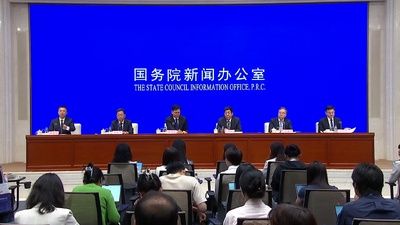
Beijing has moved to counter international criticism regarding employment practices in Xinjiang by rejecting what officials characterise as baseless claims of forced labour and coerced migration. Chen Ruifeng, Minister of the National Ethnic Affairs Commission, dismissed allegations by Western organisations and media on Wednesday, asserting that such accusations lack any factual foundation and contradict both constitutional guarantees and national legislation prohibiting involuntary work arrangements.
The Chinese government's response comes amid sustained international scrutiny of labour conditions in the northwestern autonomous region, a sensitive geopolitical issue that has strained diplomatic relations and prompted sanctions from multiple Western nations. By framing the allegations as "extremely absurd and ridiculous," Beijing signals its intention to contest the narrative in international forums and among stakeholders concerned with labour rights and human security issues.
Central to China's defence is the nation's legal framework, which Chen emphasised explicitly prohibits all forms of forced labour. The government has bolstered this position through legislative action, with the Law on Promoting Ethnic Unity and Progress receiving approval on March 12 and set to take effect on July 1. This statute contains provisions designed to strengthen protections for workers engaged in cross-regional employment, establishing mechanisms for rights protection and legal assistance that apply uniformly across ethnic groups.
According to official narrative, mobility of workers from Xinjiang to other provinces reflects personal agency and economic motivation rather than state coercion. Chen stated that individuals who relocate for employment do so voluntarily, seeking to enhance their financial circumstances and develop professional skills. This framing emphasises the economic rationality behind labour transfers, positioning migration as a pathway to improved living standards rather than an instrument of control.
The government points to substantial economic metrics to substantiate its claims. Over the preceding five years, Xinjiang created more than 2.39 million new urban employment positions through diverse policy interventions and development initiatives. In the agricultural sector, the region facilitated approximately 16.1 million work trips for rural labourers seeking opportunities outside their home areas, suggesting extensive economic activity and mobility across provincial boundaries.
Income growth has accompanied job creation, with per capita disposable income rising at average annual rates of 5.3 per cent in urban areas and 8.1 per cent in rural communities during the same period. These figures underscore what Beijing characterises as tangible improvements in living standards for residents of all ethnic backgrounds, implying that employment policies serve genuine developmental purposes rather than exploitative ends.
For Malaysian and Southeast Asian observers, these developments warrant careful analysis given the region's growing economic interdependence with China and evolving labour migration patterns within Asia. Southeast Asian nations host significant populations of Chinese enterprises and investment, and labour practices in major Chinese regions influence corporate standards and supply chain ethics that Malaysian companies may encounter in partnerships or sourcing arrangements. Understanding Beijing's framing of employment policies is therefore relevant to regional business communities and policymakers navigating trade relationships.
China's institutional approach emphasises systemic frameworks designed to protect worker entitlements and enforce voluntary participation. By establishing fair employment policies and robust labour rights mechanisms, officials argue that the system safeguards legal protections while enabling broad access to job opportunities across all ethnic communities. This governance model theoretically maximises both voluntary engagement and dignified working conditions, according to ministerial statements.
The defensive posture adopted by Beijing reflects awareness that international perceptions of Xinjiang's employment landscape significantly influence China's diplomatic standing and corporate reputation globally. Western governments and human rights organisations have maintained that evidence suggests coercive elements in labour programs, creating a persistent credibility gap that official denials have struggled to overcome in international discourse.
For regional stakeholders, the broader significance lies in understanding how major powers justify economic and labour policies in contested territories, and how these justifications interact with international norms and Western pressure. China's emphasis on legislative safeguards and economic outcomes represents an attempt to reframe the discussion in terms of development and legal compliance rather than engage directly with allegations concerning implementation and monitoring of protections.
The timing of the legislative update and ministerial statement suggests coordinated effort to address international criticism through both regulatory enhancement and public messaging. Whether such measures satisfy concerns raised by Western governments and international labour bodies remains uncertain, but they indicate Beijing's commitment to defending its governance model and refuting allegations through both legal instruments and economic evidence of regional prosperity.

