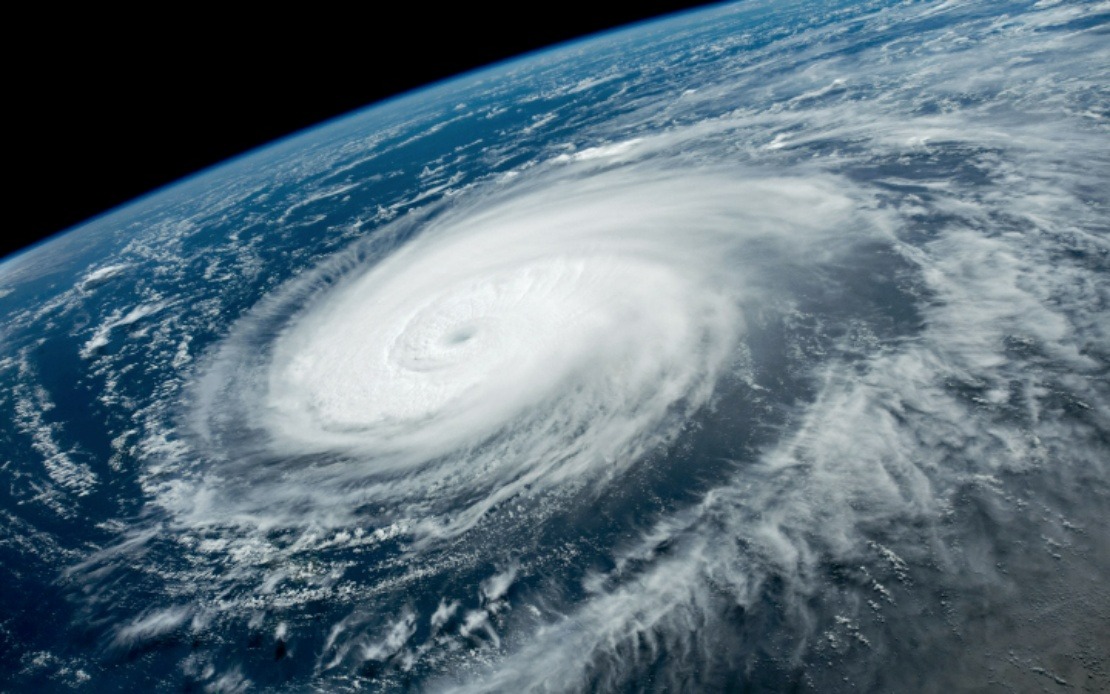
China's meteorological authorities have substantially intensified disaster preparations along the nation's eastern seaboard as Typhoon Dolphin advances toward the coast. On Saturday, the country's weather agency upgraded its emergency response classification to Level III, the second-highest tier in China's four-level system, while simultaneously raising the typhoon warning from yellow to orange. This dual escalation signals official concern that the approaching storm could deliver significant damage to populated and economically vital regions. The system's design reflects decades of experience managing tropical cyclones, with Level I reserved for catastrophic events and orange warnings indicating severe weather requiring immediate protective action across multiple provinces and sectors.
Landfall projections place Typhoon Dolphin on track to strike the coastline between Zhoushan in Zhejiang Province and Fuding in Fujian Province sometime between Sunday evening and Monday morning. This corridor encompasses heavily industrialised zones, major shipping routes, and densely populated urban centres that anchor China's economic engine. The timing and location make this particular storm significant for regional stability; any disruption to port operations or infrastructure in this zone reverberates across Southeast Asian supply chains and broader Asian commerce. Malaysian importers and exporters maintaining connections to Chinese manufacturers and logistics hubs should anticipate potential shipping delays and logistical complications during the critical window.
Zhejiang Province, which bears the brunt of the anticipated impact, has mobilised an extensive monitoring and prevention infrastructure. The province elevated its local emergency response to the second-highest level on Saturday and deployed more than 4,000 dedicated monitors to survey over 7,500 specific locations identified as vulnerable to landslides, flooding, and other geological hazards. This granular approach reflects hard-won lessons from previous typhoon seasons and represents the kind of preventive coordination increasingly expected from modern disaster management systems. Prior to Saturday's escalation, Zhejiang authorities had already taken sweeping precautions: suspending all 162 passenger ferry routes, halting operations at all 193 offshore construction projects, and requiring 474 construction vessels to return to port by Friday morning. These measures effectively froze maritime commerce and construction activity across the province to minimise exposure to dangerous conditions.
Fujian Province's response mirrors the scale and urgency evident in Zhejiang but reflects its distinct geography and economic profile. Authorities there suspended 40 passenger ferry services and ordered work halted at 115 offshore construction sites by Saturday noon. Most significantly, all 1,210 registered fishing boats operating from Fuding, a major coastal city, had returned to protected harbours. This mass recall of fishing vessels represents both a precautionary measure and an economic sacrifice, as each day boats remain docked translates directly into lost catch and reduced income for fishing communities already facing long-term pressures from overharvesting and environmental degradation.
Shanghai, China's premier financial and commercial hub, has adopted a more measured but still cautious posture. The city issued a blue-level typhoon alert on Friday, the least severe in the four-tier warning system, as forecasters calculated that Typhoon Dolphin would deliver strong winds and substantial rainfall spanning up to four days. The National Meteorological Centre cautioned that some train services across the Yangtze River Delta region would face suspension beginning Sunday, a development with particular relevance for intra-China commerce and passenger movement. Given Shanghai's role as a global financial centre and the headquarters of numerous multinational corporations, any operational disruption there sends ripples through Asian markets and international business operations.
Chief Forecaster Xu Yinglong from the National Meteorological Centre provided comparative analysis suggesting that Typhoon Dolphin poses a more formidable threat than Typhoon Bavi, which struck China in July. Specifically, Dolphin is projected to generate stronger wind speeds and more intense rainfall than its predecessor. This meteorological assessment carries weight beyond China's borders; tropical cyclones operating in the western Pacific frequently influence weather patterns across Southeast Asia, and a major storm impact in eastern China can redirect atmospheric pressure systems affecting monsoon trajectories and rainfall distribution across the region. Malaysian meteorologists and weather forecasters monitor such developments closely for potential downstream effects on domestic weather and agricultural conditions.
China's systematic approach to typhoon management relies on the four-tier colour-coded warning framework calibrated to storm intensity and projected impacts. Red represents the most severe threat level, followed by orange, yellow, and blue in descending order of danger. This standardised system enables rapid public comprehension and coordinated response across multiple government levels and private sectors. Complementing the warning structure stands the four-tier emergency response mechanism, with Level I being the highest activation state. Understanding this dual classification system proves valuable for international observers, business operators, and those tracking regional stability, as the classifications provide clear signalling of official assessment regarding storm severity and required protective measures.
The evacuation preparations underway throughout coastal Zhejiang and Fujian provinces remain largely precautionary at this writing, though authorities retain contingency plans for mandatory relocation if conditions warrant. Historical patterns show that such storms occasionally track erratically during final approach, and improved forecast accuracy over recent decades has enabled authorities to calibrate response intensity more precisely than in previous generations. For Malaysian observers, the unfolding situation demonstrates both the sophistication of modern disaster management and the enduring vulnerability of coastal populations to extreme weather events. The region remains exposed to the western Pacific typhoon belt, and similar preparedness protocols increasingly represent standard practice across Southeast Asian nations confronting comparable risks.

