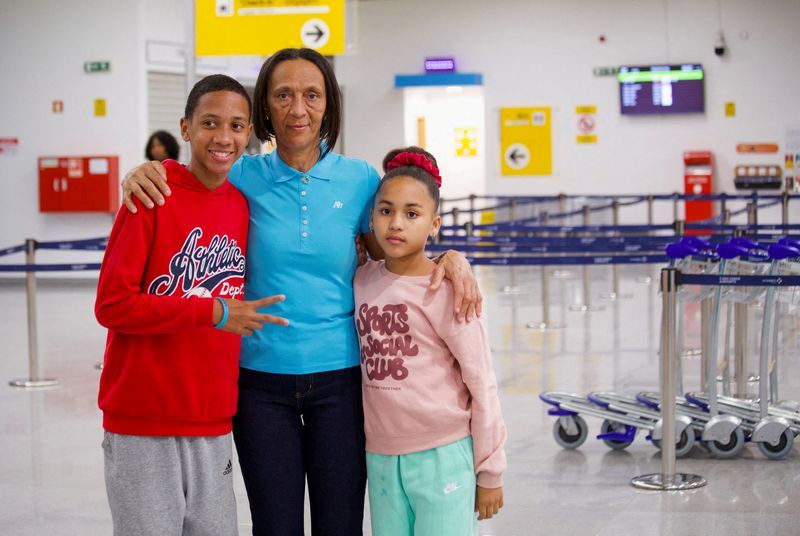
Cape Verde's goalkeeping star Vozinha will finally share his World Cup experience with his mother after she secured the necessary documentation to travel to the United States, ending a poignant family separation that captured international attention. Ana Candida Evora had been unable to witness her son's exceptional performance in Cape Verde's tournament opener, a heartbreaking miss that became public when the 40-year-old goalkeeper tearfully recounted the situation to media.
Vozinha's display against Spain in Atlanta proved to be one of the tournament's early highlights, showcasing the Cape Verdean custodian at his absolute peak. The goalkeeper produced a masterclass in shot-stopping, making seven crucial saves throughout the match to guide his team to an impressive 0-0 stalemate against the European champions. For an island nation like Cape Verde, whose football infrastructure and resources pale in comparison to traditional powerhouses, such a result represented not merely a victory but a statement of intent and a moment of genuine pride for the entire nation.
The emotional toll of achieving such a landmark accomplishment without his most important supporter present weighed heavily on Vozinha. When he revealed to journalists that his mother had been unable to travel to witness the historic draw, the personal dimension of international sport became unmistakably clear. The goalkeeper's candid disclosure about the visa complications preventing his mother's attendance struck a chord with observers around the world, transforming what might have remained a private disappointment into a matter of broader public concern and diplomatic attention.
The US State Department responded swiftly to Vozinha's emotional revelation, which gained significant traction on social media platforms. Officials from the diplomatic mission in Praia, the capital of Cape Verde, engaged directly with Evora to facilitate her travel documentation. The State Department confirmed that its visa processing team had prioritised her application and provided all necessary support services to ensure her approval. A spokesperson for the department indicated that the matter had been handled in full compliance with all existing policies and procedures, assuring that the path forward was now clear for the family reunion.
Understanding the broader context illuminates why this situation had become so challenging in the first place. The Trump administration's immigration policies had created substantial barriers to entry, requiring citizens of numerous countries to post bonds potentially reaching $15,000 before entering the United States. For families from developing nations with limited financial resources, such a requirement effectively barred attendance at major international events. Although this bond provision was later rescinded specifically for individuals holding valid World Cup tickets, the financial pressure and bureaucratic uncertainty had already discouraged many prospective visitors, including Evora, from even attempting the application process.
The cost implications had placed the decision entirely beyond Evora's reach. The combination of the bond requirement, visa processing fees, and the expenses associated with transatlantic travel created a financial hurdle that made attendance seem impossible from her perspective. Rather than navigate these obstacles, she had reluctantly accepted that she would miss her son's World Cup appearance, unaware that diplomatic intervention would eventually make her presence possible.
Now Evora will have the opportunity to be present at Cape Verde's second group stage fixture against Uruguay, scheduled for Sunday in Miami. This match represents another significant test for the African nation, who will be competing against a traditional football power with vastly greater resources and experience in international tournaments. For Vozinha, having his mother in the stands provides not only emotional support but also vindication of the persistence required to overcome bureaucratic and financial obstacles.
The incident highlights the ongoing challenges faced by citizens of developing nations seeking to travel for major international sporting events. While elite athletes and dignitaries navigate these processes relatively seamlessly, ordinary family members often find themselves caught in immigration procedures that, however well-intentioned in principle, create genuine hardship. Cape Verde's success in attracting international attention to Vozinha's situation demonstrates how personal narratives can sometimes influence policy implementation and diplomatic responsiveness.
For Malaysian and Southeast Asian readers, the situation offers a relevant reminder of how regional nations frequently navigate similar immigration complexities when their citizens seek to travel internationally. The episode also underscores the human stories embedded within major sporting competitions—stories that often transcend the technical aspects of the games themselves and reveal deeper truths about access, opportunity, and family bonds across international borders.
Vozinha's journey at the World Cup, already notable for his exceptional goalkeeping against Spain, now carries an additional emotional dimension. Whether Cape Verde can maintain their competitive form against Uruguay remains to be seen, but the presence of his mother in the stands will undoubtedly provide the goalkeeper with renewed motivation. The resolution of this visa saga, achieved through public pressure and diplomatic channels, serves as a reminder that sometimes persistence and visibility can overcome bureaucratic barriers that initially seem insurmountable.

