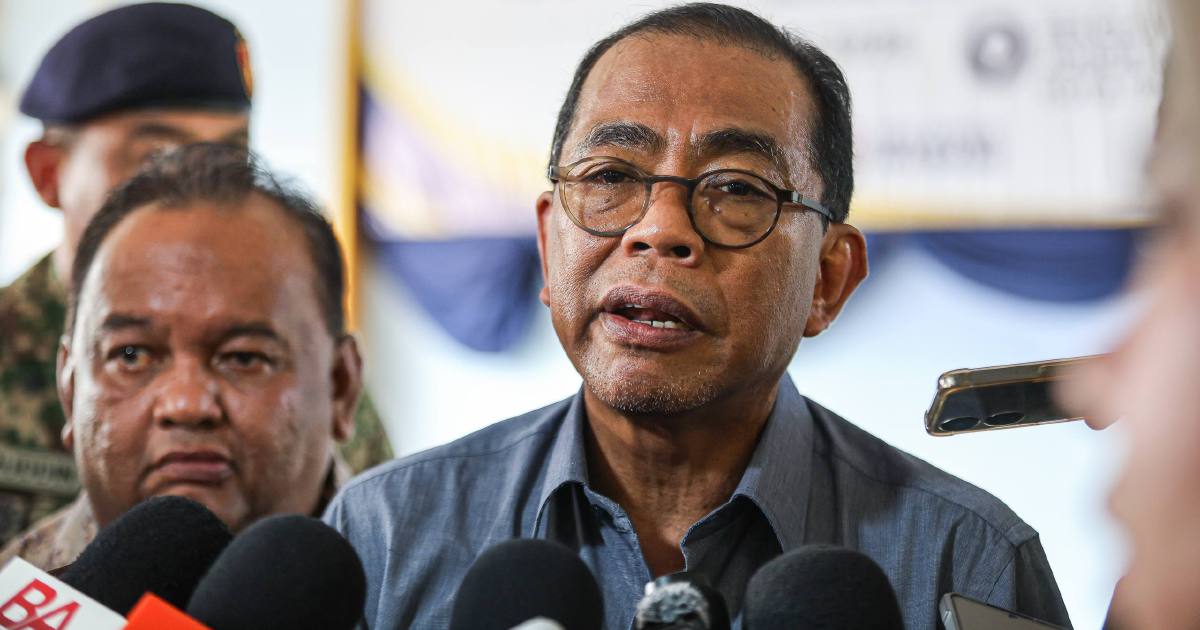
A prominent Malaysian politician has called for expedited investigation into a grenade incident that occurred at Hobart Camp, signalling concerns about military safety protocols and the need for swift accountability in the matter. The appeal underscores growing scrutiny surrounding the incident and reflects the importance placed on rapid fact-finding in military-related security breaches.
The Hobart Camp incident represents a significant concern for defence authorities, particularly given Malaysia's commitment to maintaining rigorous standards across its armed forces. Such mishaps, regardless of their scale, trigger immediate attention from oversight bodies and senior officials overseeing military operations and personnel safety. The incident highlights the critical importance of standardised training procedures and adherence to established safety protocols within military facilities.
Khaled's intervention in pushing for accelerated investigation procedures demonstrates the seriousness with which such matters are now being treated at senior government levels. In recent years, Malaysia has intensified its focus on military accountability and transparency, with officials increasingly willing to publicly address operational lapses. This approach reflects broader reforms within defence structures aimed at strengthening institutional credibility and public confidence in armed forces management.
Military grenade incidents, while historically rare in modern Malaysian operations, carry significant implications for both immediate personnel safety and longer-term strategic considerations. The incident at Hobart Camp serves as a reminder that even well-trained military personnel require constant reinforcement of safety procedures, and that equipment handling protocols demand regular review and updates. The speed with which authorities can investigate such matters often determines the confidence stakeholders maintain in military operations.
The deployment of investigative resources to examine the circumstances surrounding the mishap forms part of Malaysia's broader commitment to defence sector governance. Rapid investigation timelines also prevent speculation and rumour from circulating within military ranks and among the broader public, thereby maintaining institutional morale and public perception of military competence. When investigations drag on indefinitely, questions naturally emerge about potential cover-ups or inadequate oversight.
Hobart Camp itself represents an important military installation within Malaysia's defence infrastructure, and incidents occurring at such facilities command attention proportional to their strategic significance. The location's profile means that operational disruptions or safety lapses receive heightened scrutiny from multiple stakeholder groups, including parliament members, defence analysts, and the general public. This transparency, though sometimes uncomfortable for military leadership, ultimately strengthens institutional practices over time.
The call for expedition reflects recognition that investigation delays can compound problems rather than resolve them. When fact-finding processes extend beyond reasonable timeframes, evidentiary trails can deteriorate, witness recollections fade, and the opportunity for swift corrective action diminishes. Malaysian authorities increasingly understand that addressing military incidents promptly demonstrates competence and commitment to maintaining defence standards that protect both personnel and national security interests.
Regional military cooperation frameworks and international defence partnerships also create indirect pressure for Malaysian authorities to address incidents expeditiously. Other nations engaged in training exchanges or joint operations with Malaysian forces naturally expect rapid resolution of safety concerns, as unresolved issues can affect confidence in collaborative arrangements. This international dimension adds another layer of significance to domestic investigation timelines.
The incident raises broader questions about whether current training curricula adequately prepare personnel for handling potentially dangerous equipment under various operational conditions. Post-incident reviews typically examine not only immediate circumstances but also evaluate whether training standards, supervision levels, and safety equipment meet contemporary best practices. Such examinations often lead to policy refinements that benefit all military personnel across the defence establishment.
Lessons derived from thorough investigation of the Hobart Camp incident will likely circulate throughout Malaysia's defence structures, influencing how similar risks are managed at other military installations. This cascading benefit of conducting rigorous investigations represents why investment in swift, comprehensive fact-finding processes yields returns extending far beyond the immediate incident. Military organisations worldwide have learned that transparency and accountability ultimately strengthen institutional effectiveness.
The push for accelerated investigation also reflects evolving political and public expectations regarding military accountability in Malaysia. Decades ago, such incidents might have received minimal public attention or delayed investigation. Contemporary Malaysian society increasingly expects defence authorities to address operational failures transparently and promptly, regardless of institutional sensitivities. This cultural shift, though sometimes creating friction between political overseers and military leadership, ultimately produces stronger institutions.
As investigations proceed, attention will likely focus on identifying systemic factors contributing to the incident rather than simply assigning individual blame. This approach aligns with international best practices in safety management, where root cause analysis takes precedence over finger-pointing. Malaysian defence authorities have gradually embraced this philosophy, recognising that identifying structural problems yields more sustainable improvements than isolated disciplinary measures.
The Hobart Camp incident serves as a timely reminder that military safety demands constant vigilance and that even established protocols require periodic evaluation and reinforcement. The official calls for investigation acceleration signal institutional commitment to addressing such matters seriously, which ultimately strengthens public confidence in Malaysia's defence capabilities and reinforces the armed forces' dedication to protecting both personnel and national interests.

