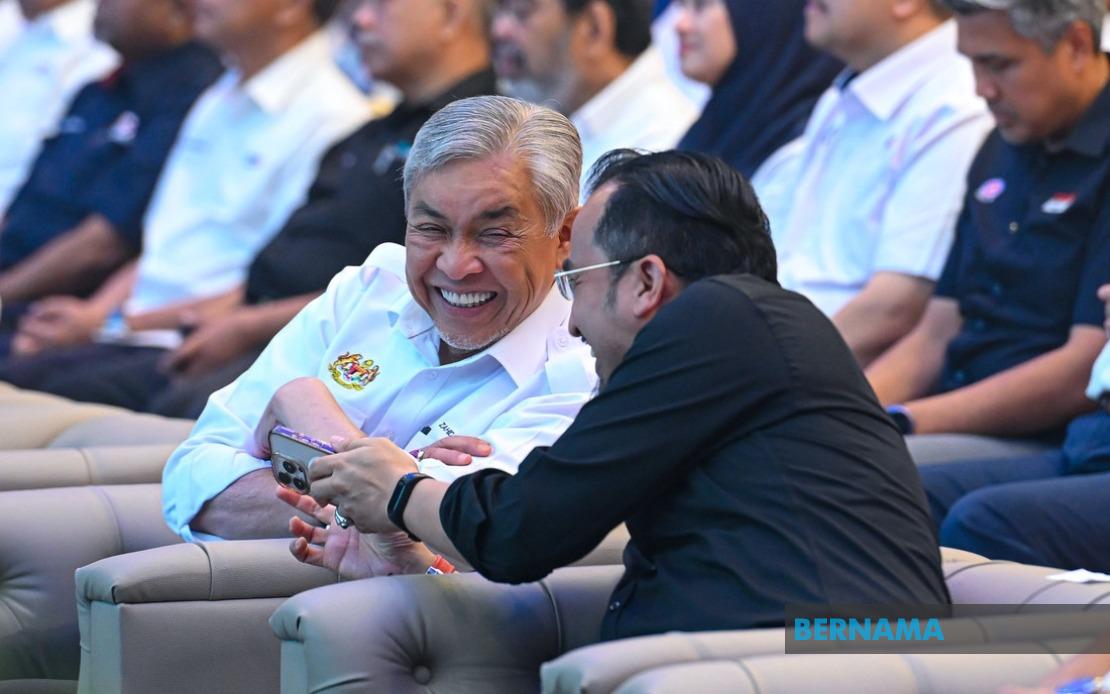
Malaysia's Cabinet has moved to broaden the scope of its investigation into Tabung Haji by extending the review period of the Royal Commission of Inquiry report to encompass the institution's recent management transition. Deputy Prime Minister Datuk Seri Dr Ahmad Zahid Hamidi announced the decision at a press conference in Seremban on Monday, signalling the government's commitment to comprehensive oversight of the pilgrimage savings institution.
The original RCI mandate covered events through 2020, but policymakers determined that a fuller understanding of institutional recovery required examining a longer timeframe. The revised examination will now span from 2014 through 2022 and continue until the appointment of Tabung Haji's current management team and chairman. This extended lens enables authorities to assess whether remedial actions taken after the formal investigation period have adhered to the RCI's recommendations and effectively stabilised the organisation.
The government intends to make the report public and present it for parliamentary debate at a special sitting of the Dewan Rakyat. Communications Minister Datuk Seri Fahmi Fadzil confirmed that declassification of the RCI findings covering 2014 to 2020 would proceed, with broader parliamentary consideration to follow. Prime Minister Datuk Seri Anwar Ibrahim had previously expressed confidence that Cabinet would endorse releasing the document, citing the government's transparency agenda.
This decision carries implications for millions of Malaysian depositors who maintain savings with Tabung Haji. The institution manages funds for Muslim Malaysians preparing for the hajj pilgrimage, making its financial health and governance directly relevant to their long-term investment security. Public disclosure of findings will allow stakeholders to understand the institutional challenges that emerged over the past decade and evaluate management responses to those problems.
Ahmad Zahid acknowledged that earlier consideration had been given to releasing the report approximately three years prior, but those plans were deferred amid concern that public knowledge of institutional difficulties might trigger panic withdrawals. The postponement reflected a tension between transparency and financial stability—a familiar dilemma for regulators managing systemically important organisations. With Tabung Haji now operating under fresh leadership and implementing structural improvements, authorities apparently judge that disclosure poses a manageable risk to depositor confidence.
The review will examine whether recovery initiatives have been executed effectively. These include asset restructuring efforts, asset liquidation programmes, and broader strengthening measures designed to restore institutional resilience. The RCI Report has already formulated specific recommendations addressing these areas, and the extended timeframe will permit evaluation of implementation quality and outcomes. This approach reflects administrative discipline: recommendations mean little without subsequent assessment of compliance and results.
Tabung Haji's financial pressures have been partly driven by external factors beyond institutional control. Ahmad Zahid noted that hajj pilgrimage costs have escalated substantially, with per-pilgrim expenses rising from RM9,980 to significantly higher levels due to increased airline fares, accommodation charges, and ground handling fees. These inflationary pressures squeeze pilgrim budgets and complicate Tabung Haji's operations as the primary savings vehicle for the Malaysian hajj constituency.
The Deputy Prime Minister projected that improved profitability under new management may generate dividends and bonuses that could be partially redirected toward ameliorating cost pressures. Such an approach would address both institutional recovery and the practical concerns of Malaysian Muslims preparing for the pilgrimage. Linking organisational rejuvenation to tangible benefits for depositors frames the restructuring programme in terms readily understood by the public and directly affected communities.
Ahmad Zahid cautioned against politicising the RCI findings, emphasising that the report functions as a diagnostic instrument offering recommendations rather than a vehicle for assigning blame. His comments appear directed at potential critics who might weaponise the report for partisan advantage, particularly given the timing of announcements around elections in Negeri Sembilan. This framing suggests the government wishes to position the RCI process as technocratic institutional governance rather than political theatre.
The extended review period and public disclosure represent a shift in official policy regarding institutional accountability. Tabung Haji represents a significant concentration of Muslim Malaysian savings—potentially numbering in the millions of individual accounts—making its governance a matter of national economic interest. Transparent examination of institutional difficulties and remedial responses builds public understanding and, arguably, strengthens depositor confidence by demonstrating that problems are being addressed systematically rather than concealed.
The parliamentary debate component of the disclosure plan will provide opposition lawmakers and backbenchers opportunity to scrutinise findings and interrogate government responses. This legislative component transforms the RCI from a purely executive accountability mechanism into a parliamentary matter, aligning with the administration's broader emphasis on parliamentary democracy. For Malaysian depositors and the broader Muslim community, this multi-layered disclosure and scrutiny process signals institutional seriousness about governance standards and responsive stewardship of community resources.

