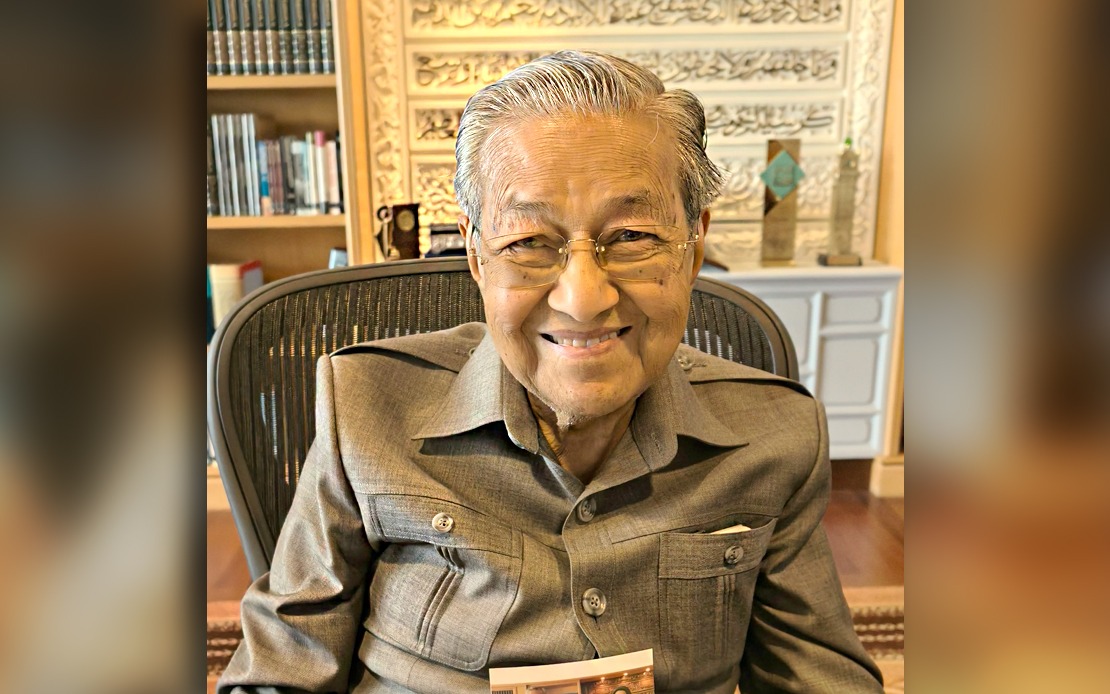
A number of senior government officials have taken to social media to mark the centennial birthday of Tun Dr Mahathir Mohamad, Malaysia's longest-serving premier, who turned 101 on July 10. The outpouring of well-wishes reflects the enduring respect accorded to the veteran politician across the Malaysian political establishment, despite his controversial exit from office and subsequent political manoeuvres in recent years.
Communications Minister Datuk Fahmi Fadzil led the tributes with a Facebook post celebrating Dr Mahathir's remarkable longevity and continued relevance to Malaysian public discourse. In his message, Fahmi expressed hope that the former leader would enjoy robust health alongside personal contentment and divine blessing, framing the occasion as a moment of national reflection on the country's institutional memory and political heritage. The minister's choice to publicly commemorate the birthday underscores the symbolic significance attributed to Dr Mahathir within government circles, transcending partisan considerations.
Among those joining Fahmi in extending congratulations were Datuk Seri Azalina Othman Said, the Minister in the Prime Minister's Department responsible for Law and Institutional Reform, and Higher Education Minister Datuk Seri Dr Zambry Abd Kadir. Both colleagues similarly invoked religious sentiments, praying that Dr Mahathir would remain under divine favour and mercy. The consistent religious framing of these messages reflects customary Malaysian practice in formal well-wishes, particularly those directed toward elder statesmen and figures of national significance.
Born on July 10, 1925, in Alor Setar, Kedah, Dr Mahathir belongs to a generation of Malaysian leaders who witnessed the country's transformation from colonial territory to independent federation. His formative years coincided with pivotal moments in Malaysia's historical trajectory, equipping him with perspectives spanning more than a century of political, social and economic development. This longevity provides contemporary policymakers with direct access to institutional knowledge and lived experience spanning multiple decades of governance.
The former prime minister's tenure as national leader spanned two distinct periods separated by 15 years, during which he fundamentally reshaped Malaysia's economic and social landscape. His initial stint from 1981 to 2003 extended across 22 years, positioning him as one of Asia's most durable leaders during that era. His leadership coincided with Malaysia's emergence as a newly industrialised economy and the implementation of the Vision 2020 development framework, which continues to influence long-term strategic planning today.
Dr Mahathir's return to the Prime Minister's office in 2018, at the age of 92, represented an unprecedented development in global geopolitics. His reinstatement following the 14th General Election victory positioned him as the world's oldest sitting prime minister, a distinction that attracted international media attention and demonstrated Malaysia's unique political circumstances. The brevity of this second tenure, concluding in 2020, did not diminish its symbolic weight in demonstrating the political vitality of the nation's senior leaders and the continued relevance of experienced statesmen to contemporary governance challenges.
The public acknowledgment of Dr Mahathir's milestone birthday serves multiple functions within Malaysian political culture. It provides an opportunity for current officeholders to acknowledge continuity with previous administrations and recognise the contributions of predecessors, regardless of current political alignments. Such gestures, while seemingly ceremonial, carry significance in a political system where personalities often transcend party affiliations and where elder statesmen retain considerable moral authority even after leaving office.
The reaching of 101 years represents a remarkable achievement in personal longevity and continued public engagement. Dr Mahathir has remained a vocal commentator on contemporary Malaysian affairs despite his advanced age, regularly articulating positions on governance, economic policy and social issues through various media channels. His accessibility and willingness to engage public discourse distinguish him from many retired political leaders worldwide, maintaining his relevance across generational cohorts.
For Malaysian readers, Dr Mahathir's longevity and continued prominence underscore the importance of institutional stability and the transmission of political experience across generations. The congratulatory messages from current ministers acknowledge that governance benefits from accessing the accumulated wisdom of long-serving predecessors, even when their specific policy prescriptions may be contested or superseded. As Malaysia navigates contemporary challenges spanning economic restructuring, regional geopolitics and democratic governance, the institutional memory represented by figures like Dr Mahathir remains a strategic asset.

