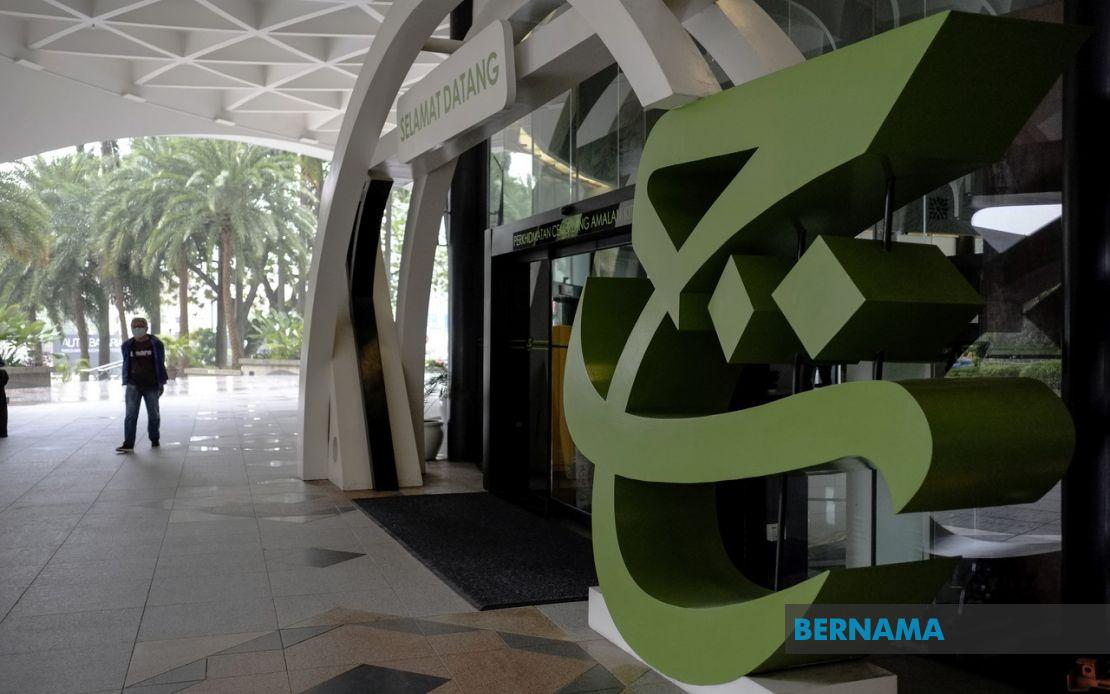
Malaysia's Cabinet has given the green light for the declassification and public disclosure of a Royal Commission of Inquiry report into Lembaga Tabung Haji's financial turmoil, marking a significant step towards transparency regarding one of the nation's most critical religious institutions. The decision, made on July 29, 2026, comes after years of deliberation and follows the successful stabilisation of the fund, which manages billions in savings from Muslim pilgrims preparing for the Hajj pilgrimage. Enforcement agencies have been tasked to immediately commence investigations based on the report's detailed findings, signalling the government's commitment to accountability in addressing what transpired during the troubled 2014-2020 period.
The Tabung Haji crisis emerged from a fundamental structural problem that festered silently for several years: the institution continued distributing profits to depositors even as its liabilities mushroomed beyond its assets. This practice, sustained between 2014 and 2017, represented a dangerous disconnect from financial reality that should have triggered immediate intervention. By the end of 2017, the scale of the problem became undeniable when a comprehensive financial review unveiled a startling picture—assets of RM70.3 billion against liabilities reaching RM74.4 billion, representing an immediate shortfall of RM4.1 billion. The situation deteriorated further when detailed audits by the National Audit Department and Bank Negara Malaysia, disclosed to Parliament in December 2018, exposed an even more alarming overall deficit gap of RM10.9 billion. Beyond the static numbers lay an acute threat: Bank Negara had warned of an imminent liquidity crisis, with RM6 billion withdrawn by nervous depositors over a compressed timeframe.
Facing institutional collapse, the government orchestrated an unprecedented rescue operation at the end of 2018. The Ministry of Finance Incorporated, through a specially created vehicle called Urusharta Jamaah Sdn Bhd, intervened decisively by absorbing Tabung Haji's underperforming assets from the balance sheet. Simultaneously, it injected RM19.6 billion in sukuk instruments and RM300 million in cash—a combined RM19.9 billion injection designed to restore solvency and prevent the erosion of millions of Malaysian Muslims' life savings. This bailout represented a substantial commitment of public resources and underscored the government's determination to prevent a catastrophic loss of confidence in the institution. The intervention bought critical time and stabilisation, though questions about how the organisation reached such a precarious state remained unanswered.
In July 2021, the government established a Royal Commission of Inquiry under the Commission of Inquiry Act 1950 to systematically investigate governance failures, management decisions, and other issues spanning the 2014-2020 period. The RCI mandate reflected recognition that transparency and accountability required an independent examination of what had gone wrong and why. The inquiry process itself took considerable time, and by 2022, when the MADANI administration received the completed report, a strategic decision was made to withhold public release temporarily. Policymakers judged that premature disclosure could reignite depositor anxiety and undermine the gradual restoration of confidence in Tabung Haji's financial position. This delay, though criticised by some as obstructive, reflected a pragmatic assessment that institutional stability required careful communication management while recovery measures took hold.
The recovery strategy bore fruit as Tabung Haji's operational and financial metrics improved substantially. In March 2026, the institution announced a profit distribution rate of 3.5 per cent for the 2025 financial year—a tangible signal that the organisation had transitioned from crisis management to genuine recovery. For depositors, this announcement represented vindication that their savings remained intact and generating returns, even if not at pre-crisis levels. The distribution rate, while modest compared to historical norms, constituted powerful evidence that the turnaround plan was succeeding. This improving trajectory provided the political and institutional conditions necessary for transparency, reducing the risk that releasing the RCI report would provoke panic withdrawals or undermine confidence.
The path to public disclosure accelerated in late July 2026. On July 22, Minister in the Prime Minister's Department (Religious Affairs) Dr Zulkifli Hasan informed the Dewan Negara that Cabinet approval would be sought for making the RCI report public. Prime Minister Datuk Seri Anwar Ibrahim confirmed within a day that the report would be released following Cabinet sign-off, signalling political will for transparency. By July 29, the Cabinet formalised its decision, approving both declassification and the scheduling of a special Dewan Rakyat sitting to debate the report's contents and implications. This sequence of announcements demonstrated deliberate choreography, with different branches of government progressively endorsing the transparency agenda.
The RCI report itself contains 25 recommendations aimed at strengthening Tabung Haji's governance, risk management, and operational resilience. As of the Cabinet decision, three-quarters of these recommendations—a substantial 75 per cent—have already been implemented by Tabung Haji's current management team. This implementation rate suggests that the institution has not merely waited passively for the report but has proactively begun institutional reform. The recommendations likely encompass enhanced internal controls, improved asset management practices, stronger oversight mechanisms, and reformed decision-making processes designed to prevent a recurrence of the conditions that precipitated the crisis. Their adoption by management indicates acknowledgment that systemic weaknesses required remedy.
The decision to publicly release the report and launch enforcement investigations carries particular significance for Malaysian governance. Tabung Haji serves an essential function for the Muslim majority population, managing savings dedicated to religious obligation and spiritual commitment. When such an institution experiences near-collapse through mismanagement or misconduct, public trust in other state-linked entities can erode. By embracing transparency through the RCI report's release and committing to investigations, the government signals that even politically sensitive institutions remain subject to accountability. The special parliamentary debate planned will provide legislators opportunity to probe details, scrutinise management responses, and ensure that lessons translate into lasting institutional reform.
For Malaysian Muslims considering participation in the Hajj savings scheme, the trajectory from crisis through recovery to transparency offers reassurance. Millions of ordinary Malaysians have entrusted their pilgrimage savings to Tabung Haji, often over decades, viewing it as a secure vehicle for fulfilling religious duty. The 2014-2020 crisis exposed vulnerabilities in oversight and decision-making that threatened these accumulations. The subsequent intervention, stabilisation, and now transparency regarding what occurred demonstrate institutional resilience and government commitment to protecting depositors' interests. The 3.5 per cent profit distribution and improving financial metrics validate that recovery is genuine rather than cosmetic.
Enforcement agencies now face the task of translating the RCI's investigative findings into potential prosecutorial action. The report presumably identifies specific individuals whose decisions or actions contributed to the crisis, whether through negligence, incompetence, or deliberate wrongdoing. Investigators will need to determine whether criminal conduct occurred and pursue cases accordingly. This enforcement dimension ensures that accountability extends beyond institutional reform to potential personal consequences for those responsible. The comprehensive nature of investigations will signal whether accountability represents genuine commitment or merely procedural exercise.
The Tabung Haji episode offers instructive lessons for Malaysian governance beyond the pilgrims' fund itself. State-linked entities managing public or community resources require robust internal controls, independent oversight, and transparent reporting. Early warning systems must trigger intervention before crises reach critical mass. Leadership selection processes should prioritise competence and integrity over political patronage. These lessons, now being implemented through the RCI recommendations, will hopefully permeate other Malaysian institutions managing substantial community resources. The willingness to commission an inquiry, accept findings, and release them publicly establishes precedent that institutional accountability matters even when politically inconvenient.
Looking forward, Tabung Haji's continued recovery will be measured against both quantitative metrics and qualitative indicators. Profit distribution rates, asset quality, depositor confidence, and operational efficiency will all provide measures of genuine stabilisation. However, the institution must also demonstrate that governance reforms have taken root, that independent oversight functions effectively, and that decision-making processes prevent repetition of past errors. The RCI report and subsequent enforcement actions represent necessary but insufficient conditions for restoration. Only sustained institutional performance and demonstrable commitment to the highest standards of financial stewardship will fully restore the trust that Tabung Haji's millions of depositors deserve.

