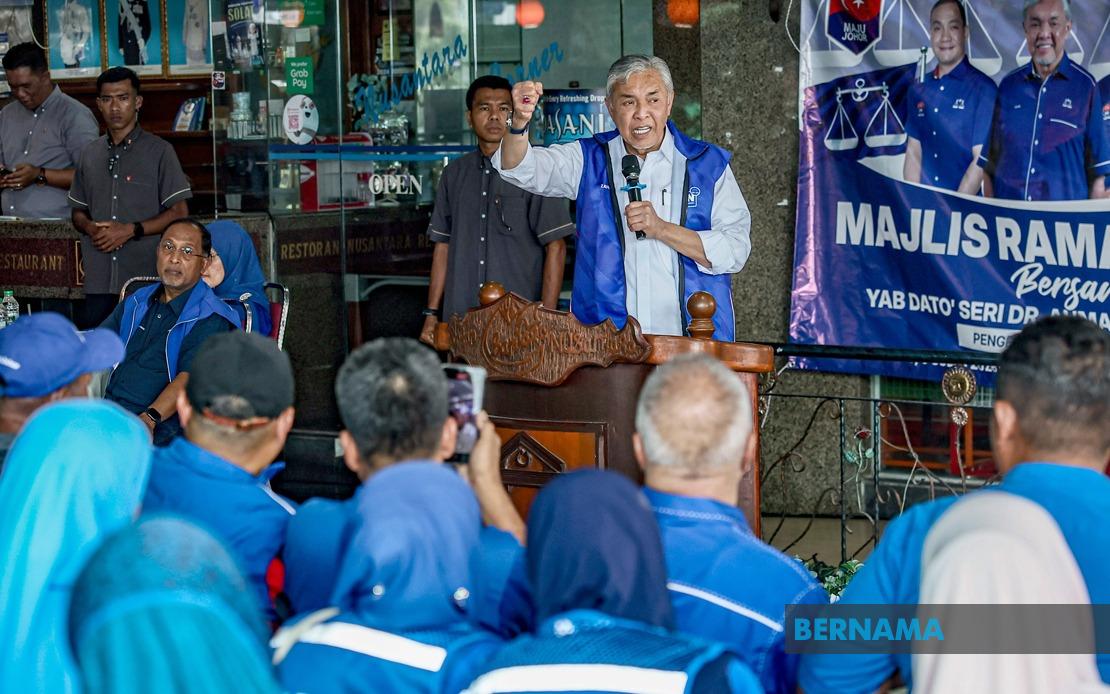
The Malaysian government has moved to strengthen governance at the grassroots level by approving 24 new Tok Batin positions for Orang Asli settlements across the country. The decision, announced by Deputy Prime Minister Datuk Seri Dr Ahmad Zahid Hamidi during a community engagement programme in Mersing, Johor, represents a significant institutional initiative to empower indigenous village leadership structures. As Rural and Regional Development Minister, Zahid indicated that the approval came during a Cabinet session and reflects a broader commitment to ensuring that development initiatives reach indigenous communities more efficiently through strengthened local governance.
The Tok Batin system operates as a traditional leadership framework within Orang Asli villages, with each Tok Batin functioning simultaneously as a community leader and customary chief. Their role extends beyond ceremonial representation; these figures serve as critical intermediaries between their constituents and government agencies, translating village-level requirements into actionable development programmes and coordinating the implementation of state and federal initiatives at the settlement level. By expanding the number of recognised Tok Batin positions, the government aims to reduce administrative gaps and ensure that smaller or newly established Orang Asli settlements receive direct institutional representation within Malaysia's development architecture.
In the Endau region of Johor specifically, the Department of Orang Asli Development, known locally as JAKOA, has been working alongside the state government to formalise settlement boundaries and establish official village status. Four communities in this area—Tanjung Tuan, Tanah Abang, Peta, and Labong—have already been gazetted as recognised Orang Asli villages, a crucial administrative step that enables them to access government services and development programmes as formal entities. The gazetting process itself represents a significant milestone, as it provides legal recognition and formal status that previously informal or unrecognised settlements often lack.
Beyond the creation of new leadership positions, Zahid's announcement outlined parallel infrastructure investments aimed at benefiting Orang Asli communities nationwide. The government is financing the construction of four schools across various settlements, alongside the development of community halls and expanded road networks that promise to improve connectivity between indigenous villages and regional economic centres. These physical infrastructure improvements address long-standing accessibility challenges that have historically marginalised Orang Asli populations from broader economic participation and social services.
The provision of utilities represents another critical dimension of this development push. Water supply, electricity, and telecommunications infrastructure projects are being prioritised, recognising that indigenous communities have frequently been left behind in Malaysia's electrification and digitalisation processes. For Orang Asli settlements, access to reliable water and electricity remains foundational to improving living standards, enabling small-scale economic activities, and facilitating children's access to online educational resources—particularly significant given post-pandemic shifts toward digital learning platforms.
Several additional Orang Asli settlements within the Endau region remain in the gazetting pipeline, pending final approval from the Johor state government. This administrative process underscores the collaborative framework between federal agencies and state authorities in managing indigenous affairs, though it also highlights potential delays in formalising village status. For communities awaiting gazetting, the process can extend from months to years, during which settlements operate in a liminal legal space that complicates their access to targeted development funding and government programme participation.
The expansion of Tok Batin positions should be contextualised within broader debates around indigenous representation in Malaysia. The Orang Asli comprise over 170,000 individuals across multiple ethnic groups, yet they remain among Malaysia's most economically marginalised populations. Poverty rates within Orang Asli communities significantly exceed national averages, and educational outcomes, healthcare access, and livelihood diversification remain critical challenges. Proponents of the Tok Batin expansion argue that strengthened village-level governance can accelerate the delivery of targeted interventions and create local accountability mechanisms that ensure development resources reach intended beneficiaries rather than leaking through inefficient bureaucratic channels.
Critics, however, raise concerns about whether administrative restructuring alone can address structural inequalities rooted in land rights, educational access, and economic opportunity. The formalisation of Tok Batin positions must be paired with genuine resource transfers and decision-making authority if these leaders are to serve as effective advocates for their communities rather than merely implementing centrally-designed programmes. Questions also persist regarding how traditional leadership structures interact with democratic principles and whether Tok Batin appointments might inadvertently reinforce patronage networks rather than merit-based governance.
For Southeast Asia more broadly, Malaysia's approach to indigenous governance offers a regional case study in how postcolonial nation-states attempt to integrate marginalised ethnic minorities into modern bureaucratic frameworks while ostensibly respecting customary institutions. Thailand, Vietnam, and Indonesia grapple with similar challenges regarding indigenous peoples' representation and development. Malaysia's investment in formalising traditional leadership structures suggests a strategy of co-option rather than radical structural reform—maintaining indigenous governance practices within a state-supervised framework rather than devolving genuine territorial or economic control to indigenous communities themselves.
The timing of this announcement carries domestic political significance as well. Under Prime Minister Anwar Ibrahim's administration, there has been increased emphasis on inclusive development and addressing historical grievances faced by marginalised communities. Initiatives like the Tok Batin expansion can be understood as part of a broader repositioning toward a development agenda that explicitly acknowledges indigenous Malaysians' historical exclusion. Whether sustained political will and adequate resource allocation will accompany these structural changes remains an open question, as does the longer-term impact on lived conditions within Orang Asli settlements.

