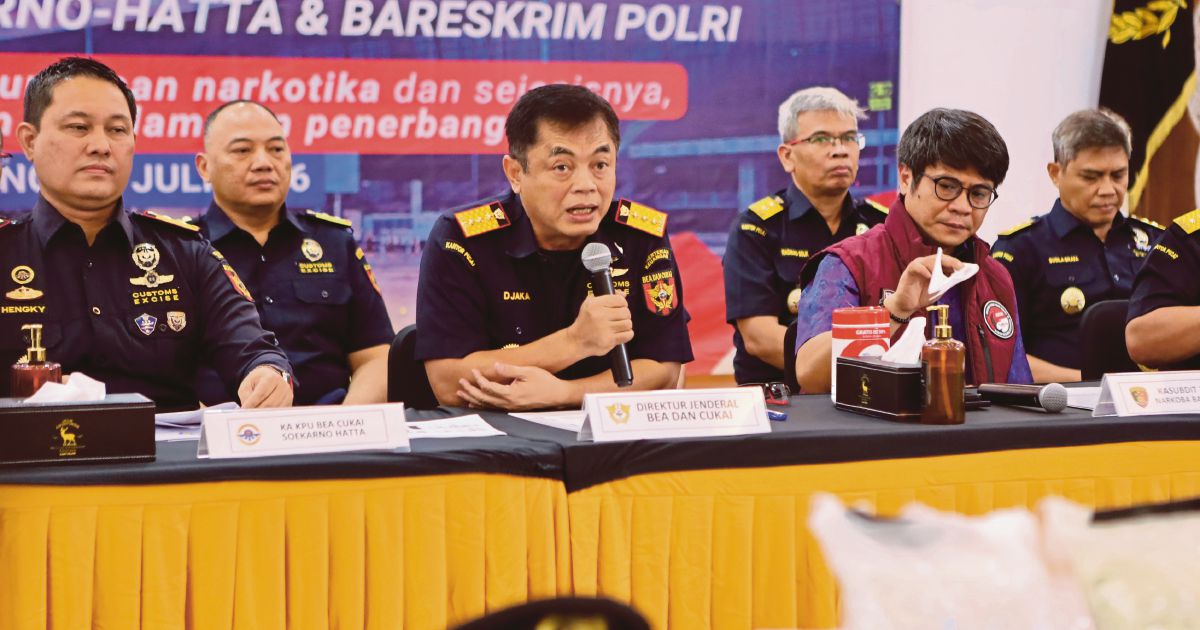
Malaysia's aviation regulator has commenced a formal inquiry into whether established security protocols were properly implemented at all stages of operations, sparked by the detention of a Malaysia Airlines pilot in Jakarta on suspicion of involvement in drug smuggling activities.
The Civil Aviation Authority of Malaysia (CAAM) initiated the scrutiny following the incident, which has cast a spotlight on the mechanisms designed to prevent crew members from engaging in illicit activities or transporting prohibited substances. This development represents a significant moment for Malaysia's aviation sector, which has worked to rebuild international confidence after previous high-profile incidents affected the country's airline reputation.
The arrest raises critical questions about the effectiveness of pre-flight screenings, crew vetting procedures, and coordination between Malaysian and Indonesian aviation authorities. CAAM's investigation will likely examine whether standard background checks, random drug testing protocols, and security briefings were conducted as required by international and domestic regulations. These procedures form the backbone of aviation safety and security frameworks across Southeast Asia.
The timing of this investigation carries particular importance for Malaysia Airlines, which has undergone extensive operational reviews and restructuring in recent years. The carrier has made substantial investments in crew training and safety protocols to maintain international standards and passenger confidence. Any gaps identified in the screening or monitoring of flight personnel could necessitate additional measures and expenditure across the airline industry.
International aviation authorities, including the International Civil Aviation Organization (ICAO), maintain strict guidelines regarding crew conduct and security clearances. Malaysia's adherence to these standards is essential for maintaining bilateral aviation agreements and ensuring smooth operations across Southeast Asian airspace. The CAAM investigation will therefore be scrutinized not only domestically but also by regional aviation bodies and international partners.
The incident also highlights the ongoing challenges faced by law enforcement agencies in combating transnational drug trafficking networks that exploit legitimate transportation channels. Airports and aircraft have historically been identified as potential conduits for contraband movement, prompting regulators to implement layers of security measures. The Jakarta arrest demonstrates that vulnerabilities can persist despite established safeguards, suggesting that continuous refinement of detection and prevention methods remains necessary.
For Malaysian airlines operating international routes, this development carries operational implications. Enhanced security measures or additional verification requirements could increase compliance costs and operational complexity at airports throughout Southeast Asia. However, such measures may ultimately strengthen the reputation of Malaysian carriers by demonstrating a commitment to security excellence and regulatory compliance.
The investigation by CAAM will likely produce recommendations for the broader aviation industry operating within Malaysia's airspace. These could include modifications to crew clearance procedures, enhanced coordination with international partners, or additional monitoring mechanisms. Such recommendations would extend beyond Malaysia Airlines to affect all carriers operating under Malaysian regulatory oversight.
Crew integrity remains a cornerstone of aviation safety, as flight personnel have privileged access to restricted areas and sensitive aircraft systems. Any compromise of crew trustworthiness poses not only security risks but also potential safety hazards. The investigation therefore serves a dual purpose: addressing the immediate incident while also reinforcing systemic protections that safeguard the flying public.
The arrest in Jakarta also underscores the importance of international cooperation in combating aviation-related crimes. Indonesian authorities' detection and apprehension of the pilot represents the kind of cross-border collaboration that strengthens regional security. CAAM's investigation will likely reinforce these cooperative relationships and may lead to information-sharing agreements or joint training initiatives with counterpart authorities in neighbouring countries.
For passengers and the traveling public, such investigations demonstrate that regulatory bodies take crew conduct seriously and possess mechanisms to identify and address violations. This transparency, while highlighting an individual failure, can actually reinforce confidence in the broader safety and security frameworks that protect commercial aviation. The public scrutiny of the investigation process signals that authorities are responsive to incidents and committed to continuous improvement.
As the investigation unfolds, stakeholders including Malaysia Airlines, CAAM, and other regional aviation operators will be monitoring developments closely. The findings could trigger industry-wide policy adjustments or the implementation of new best practices. Whether the investigation identifies systemic failures or confirms that existing protocols function as intended, the outcome will inform future security strategies across Malaysian aviation.

