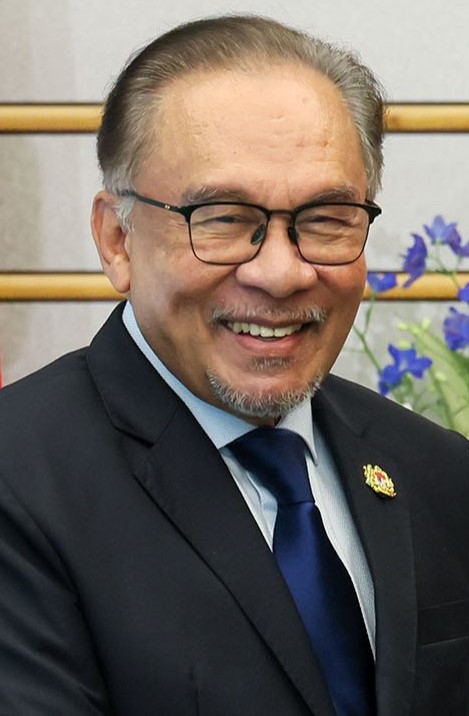
The longstanding housing crisis affecting residents of Bukit Kiara Longhouse has finally moved toward resolution, with Prime Minister Datuk Seri Anwar Ibrahim officially breaking ground on a permanent housing development project that promises to transform the lives of one of Kuala Lumpur's most vulnerable urban communities. The groundbreaking ceremony, held in the federal capital, marks a watershed moment in efforts to address the precarious living conditions that have blighted the area for over four decades, reflecting what government officials characterise as a decisive shift in policy priorities toward the urban poor.
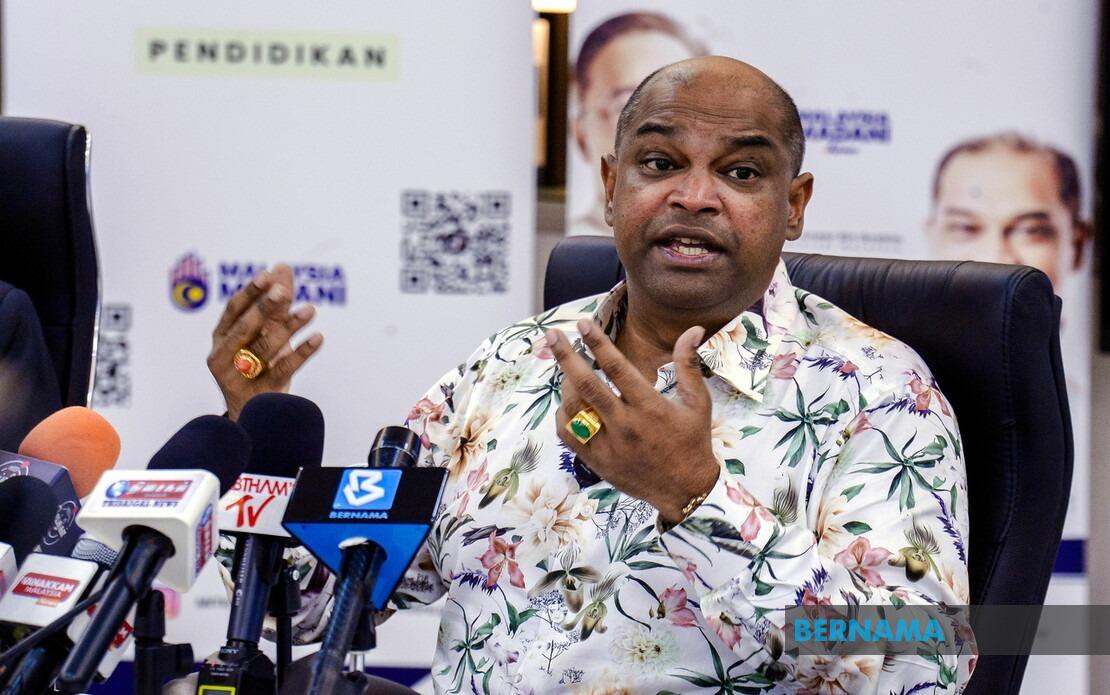
Human Resources Minister Datuk Seri R. Ramanan, who represents the Sungai Buloh constituency, has framed the development as emblematic of broader governmental commitment to resolving inherited social problems rather than allowing them to persist across generations. His comments underscore an emerging political narrative that positions housing security as a fundamental justice issue rather than merely a welfare concern. The minister emphasised that the project's finality—rooted in decisions made by the Prime Minister—signals an end to the protracted delays and legal uncertainties that have characterised the residents' decades-long struggle for dignified accommodation.
The core benefit to eligible families is substantial and unencumbered: each household will receive two new housing units at no cost, a provision that stands out in Malaysia's heavily subsidised but often inadequate public housing landscape. This arrangement effectively doubles the residential space available to beneficiary families compared to typical government housing allocations, suggesting an acknowledgment of the particular deprivation experienced by longhouse residents. The scale of the intervention, while geographically limited to the Bukit Kiara community, carries symbolic weight in a nation where urban informal settlements continue to proliferate amid rapid metropolitan expansion.
Beyond the housing units themselves, the Prime Minister has committed an additional RM1 million to Kuala Lumpur City Hall over a three-year period specifically earmarked for area maintenance and infrastructure upkeep. This allocation addresses a chronic challenge in Malaysian public housing: the deterioration of physical environments following initial construction, which often leaves residents in conditions barely superior to their previous circumstances. The dedicated maintenance funding suggests a more holistic approach to residential development, one that recognises the interconnection between housing quality, environmental standards, and residents' long-term wellbeing.
The resolution of the Bukit Kiara situation is particularly noteworthy given its intricate historical and environmental context. The dispute had remained unresolved for more than four decades, an exceptional duration that reflects the legal and political complexities inherent in urban land claims within Kuala Lumpur's crowded and contested spatial geography. What makes the current outcome distinctive is that it has been achieved without compromising the conservation status of Taman Rimba Kiara, the adjacent natural reserve that had been implicated in earlier development proposals. This balance between meeting housing needs and protecting green space represents a more sophisticated urban planning philosophy than has traditionally characterised Malaysian responses to informal settlements, which have frequently involved either displacement without alternative provision or development that erases environmental amenities.
The residents' own advocacy efforts, which have been formally coordinated since 2018 through legal representatives pursuing their claims through official channels, have clearly contributed to this outcome. The shift from informal negotiation to structured legal process appears to have been instrumental in achieving a resolution that satisfies multiple stakeholder interests simultaneously. This pathway stands in contrast to other Malaysian informal settlement disputes, which frequently result in either prolonged stalemates or unilateral government action that displaces residents with minimal compensation or alternative housing.
For Malaysia's broader urban housing landscape, the Bukit Kiara project carries implications that extend beyond the immediate beneficiary community. The country faces a persistent affordability crisis, with urban land values and construction costs rendering government housing allocations increasingly inadequate for lower-income households. The decision to provide two units per family, combined with dedicated maintenance funding, demonstrates a recalibration of what public housing can deliver when political will aligns with resource allocation. However, scaling this model across Malaysia's numerous informal settlements would require substantially expanded budgetary commitments and political prioritisation of urban poor constituencies.
The government's framing of this resolution as a matter of justice rather than charity carries important signalling implications for other communities in similar circumstances throughout the Klang Valley and other Malaysian cities. By characterising delayed resolution of longhouse residents' claims as unacceptable and by committing substantial public resources to remedy the situation, the administration is implicitly establishing new expectations around government responsibility for urban informal communities. Whether these signals translate into systematic reform of how Malaysia addresses informal settlements remains to be seen, but the Bukit Kiara precedent will inevitably be invoked in future advocacy campaigns by other marginalised urban communities.
The environmental conservation dimension of the agreement also merits attention given Malaysia's stated commitments to climate action and biodiversity protection. Taman Rimba Kiara represents one of the few remaining forest patches within Kuala Lumpur proper, and its preservation while simultaneously addressing resident housing needs demonstrates that these objectives need not be fundamentally incompatible. The challenge will be ensuring that similar projects in other locations maintain this balance, rather than defaulting to either development prioritisation or conservation-at-the-expense-of-residents that have characterised past Malaysian policy approaches.
The three-year maintenance funding window raises questions about long-term stewardship arrangements. Dedicated funding for this initial period is commendable, but indefinite infrastructure maintenance requires either sustained budgetary allocation or alternative financing mechanisms. The government will need to establish clear protocols for transitioning from the initial three-year commitment to permanent maintenance arrangements, whether through incorporation into regular municipal budgets or through community-based management structures.
Regionally, the Bukit Kiara resolution may hold lessons for other Southeast Asian cities grappling with informal urbanisation. Malaysia's development experience and fiscal capacity position it to potentially pioneer approaches that balance housing provision with environmental conservation, models that could inform practice in rapidly urbanising economies throughout the region. The project demonstrates that longhouse communities, often treated as temporary or transitional populations in urban planning frameworks, can be integrated into permanent housing solutions that acknowledge their dignity and rights.
The Human Resources Minister's observation that the project's "impact on the lives of the people who have waited for so long is immense" encapsulates the human dimension underlying this policy decision. After four decades of living in substandard conditions, residents will now transition to permanent, dignified housing provided at no personal cost. This represents a tangible improvement in living standards, access to services, and economic security for vulnerable households. Whether replicated across Malaysia's other informal communities will determine whether Bukit Kiara represents transformative policy change or remains an exceptional case of government responsiveness.