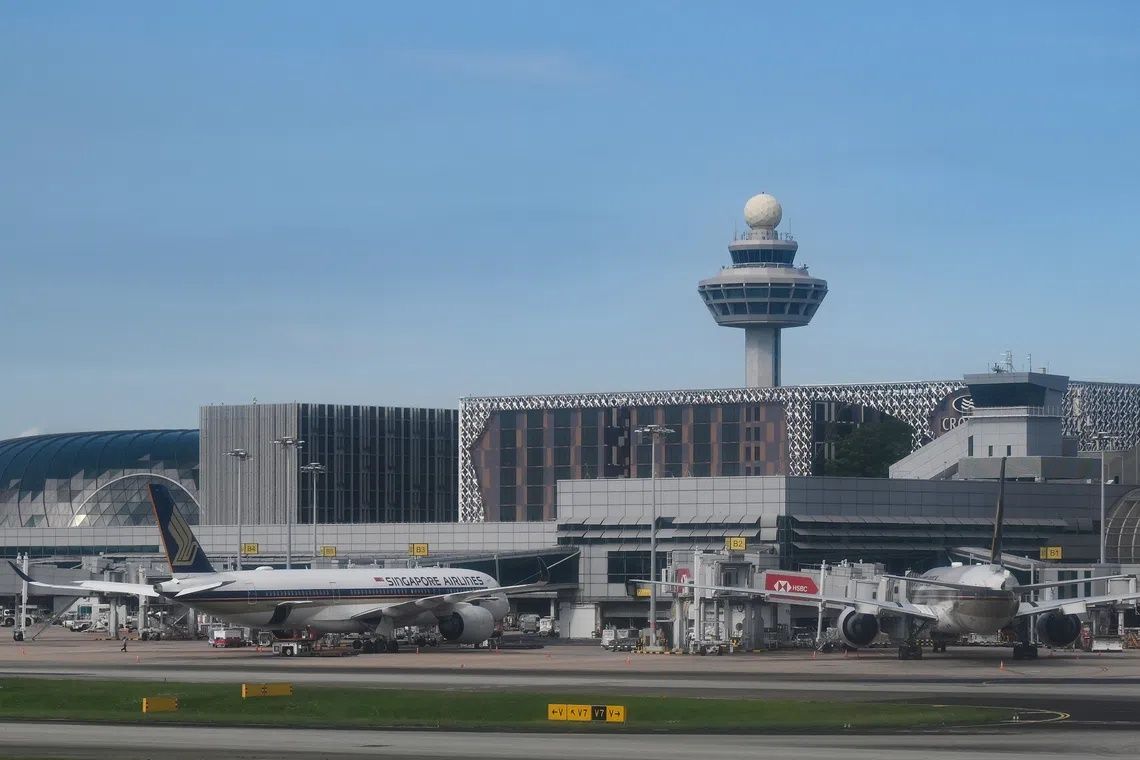
A British national faces multiple criminal charges in Singapore after an incident at Changi Airport's Terminal 1 last month that resulted in a 45-minute flight delay and left a staff member injured. The 25-year-old man is expected to appear in court charged with three separate offences stemming from the July 20 incident, according to a police statement released on Tuesday, August 11.
The disruption began at a boarding gate around 4.05pm when ground staff received reports of a passenger behaving disruptively at the gate for a service heading to Kuala Lumpur. Officers who investigated determined the man was intoxicated at the time. During his time at the gate, he spoke loudly and shouted, creating a disturbance that annoyed fellow passengers preparing to board the aircraft. His behaviour prompted two airline representatives to approach him in an attempt to manage the situation.
Instead of complying with staff intervention, the man responded with hostility, directing vulgarities and abusive language at one of the airline employees. His conduct violated aviation regulations, and the airline made the decision to remove him from the flight roster. This decision, however, proved to be a flashpoint. When informed that he would not be permitted to board, he escalated his behaviour significantly and made an aggressive push past airline workers in an attempt to force his way onto the aircraft.
In breaching the airline staff's line, the man unlawfully entered a protected area within the airport terminal without authorisation. During this confrontation, one staff member was knocked to the ground and sustained injuries to her left arm and wrist. The incident did not end there. The man continued his aggressive behaviour even after entering the restricted zone, directing further vulgarities and threatening language at airport security personnel who had been called to the scene.
The prolonged disturbance and security response resulted in a significant operational impact. The flight to Kuala Lumpur was delayed by 45 minutes as the situation was brought under control and the passenger was removed from the terminal. The incident highlights the challenges facing Singapore's aviation authorities in maintaining order and safety at one of Asia's busiest airports, which handles millions of passengers annually.
Under Singapore law, the British national will face prosecution on three distinct charges, each carrying different potential penalties. The first charge relates to causing annoyance while intoxicated in a public place, a relatively common offence in Singapore's legal framework. Conviction on this count carries a maximum fine of S$1,000, imprisonment for up to six months, or a combination of both sanctions.
The second charge addresses his verbal abuse and threatening conduct toward airport staff. Using threatening, abusive, or insulting words or behaviour is treated as a separate offence under Singapore law, with a maximum fine of S$5,000 upon conviction. This charge reflects Singapore's strict approach to verbal assault and conduct-based harassment in public spaces.
The most serious charge concerns his unauthorised entry into a protected area of the airport. This carries substantially heavier penalties, reflecting the heightened security concerns surrounding airport operations and restricted zones. If found guilty, he faces a maximum fine of S$20,000, imprisonment for up to two years, or both. This charge underscores the importance Singapore places on airport security protocols and the protection of designated restricted areas.
The incident serves as a reminder of the serious consequences that travellers face when they breach airport regulations or engage in disruptive behaviour while intoxicated. Singapore has long maintained strict standards regarding public conduct, and airports operate under even more stringent rules due to their critical role in the nation's transport infrastructure. The incident occurred at a time when air travel in Southeast Asia was recovering momentum following pandemic-related disruptions, making operational delays particularly costly for airlines and passengers.
For Malaysian readers, the case carries particular relevance given the frequency of travel between Kuala Lumpur and Singapore, two major hubs in the region. The disruption on the KL-bound flight affected not only the British passenger but also Malaysian and international travellers who experienced the 45-minute delay. The incident also raises questions about airline protocols for managing intoxicated passengers and the coordination between airline staff and airport security in handling escalating situations.
Singapore's firm stance on airport conduct reflects broader regional approaches to maintaining order and safety in high-volume transportation hubs. While the penalties outlined in the charges may seem severe to some observers, they are consistent with Singapore's general legal framework and enforcement approach. The case demonstrates how quickly situations can deteriorate when passengers resist airline decisions and staff interventions, particularly when alcohol is involved.
The injury sustained by the airline staff member adds a criminal element to what might otherwise have been classified as a simple trespass violation. Authorities take staff safety seriously, and the fact that a worker sustained physical injuries during the confrontation elevates the seriousness of the charges. This aspect of the case may influence sentencing if the man is convicted, as it demonstrates the physical consequences of his actions beyond the operational disruption.

