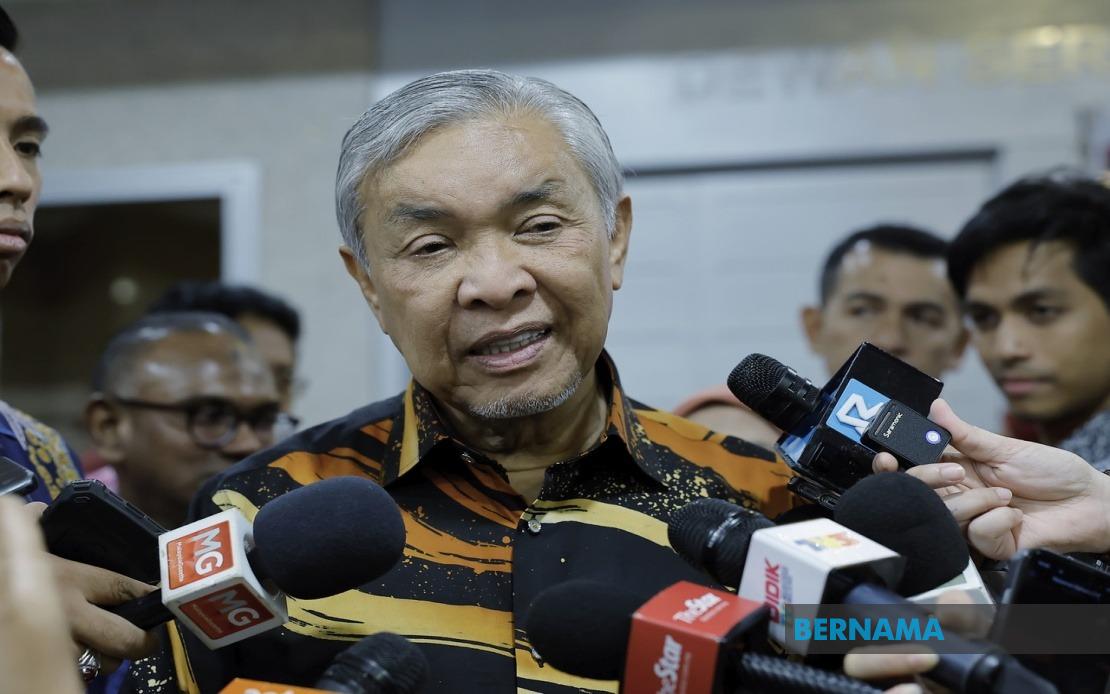
Barisan Nasional and UMNO have vowed to maintain stringent standards of governance and accountability at Tabung Haji, with BN chairman Datuk Seri Dr Ahmad Zahid Hamidi declaring that the coalition will not countenance breaches of fiduciary duty or mismanagement within the pilgrimage fund. Speaking after the Rural and Regional Development Ministry's monthly gathering in Putrajaya, Ahmad Zahid, who also serves as Deputy Prime Minister, stressed that individuals culpable for misconduct or poor stewardship at government agencies and statutory bodies must face full consequences for their actions.
The pledge comes as Malaysia prepares for a crucial parliamentary debate on August 11 to examine the findings of a Royal Commission of Inquiry into Tabung Haji's operations. Ahmad Zahid's remarks underscore the political sensitivity surrounding the institution, which manages savings for millions of Malaysian Muslims intending to perform the hajj pilgrimage. His emphasis on accountability signals that BN intends to demonstrate governance reform and public confidence restoration following years of institutional turbulence at the fund.
The underlying crisis at Tabung Haji has deepened following the July 29 release of the RCI report, which detailed a troubling pattern of institutional dysfunction spanning the 2014 to 2020 period. The inquiry uncovered suspicious financial transactions and deliberate concealment of information, painting a picture of governance breakdown at an organisation entrusted with the retirement and pilgrimage savings of ordinary Malaysians. These findings have amplified public concern about whether regulatory oversight and internal controls functioned adequately during this critical period.
Among the RCI's most significant recommendations is the mandate for a forensic audit into prior investment decisions that precipitated a severe deterioration in Tabung Haji's asset base. This recommendation reflects investigative findings that strategic errors—whether driven by incompetence, negligence, or deliberate misconduct—resulted in substantial financial losses for the institution. A comprehensive forensic examination could expose the mechanisms through which questionable decisions were approved and implemented, as well as identify accountability gaps within the organisation's decision-making hierarchy.
The asset value decline at Tabung Haji represents a tangible harm to its beneficiaries, many of whom are middle and lower-income Malaysians who have contributed steadily throughout their working lives with the expectation that their funds would grow and remain secure. The erosion of this institutional trust carries implications beyond mere financial metrics; it reflects a failure of the social contract between government bodies and citizens. For many Malaysians, Tabung Haji represents not merely an investment vehicle but a sacred trust underwriting one of Islam's Five Pillars.
Ahmad Zahid's unequivocal rejection of compromise regarding institutional misconduct suggests that BN recognises the reputational and political stakes involved. In Malaysian politics, governance scandals at bodies managing public assets—particularly those serving a specific religious demographic—can mobilise significant voter sentiment. By taking a forceful stance, BN leadership appears intent on differentiating its administrative approach from previous management failures and signalling responsiveness to public displeasure.
The forthcoming parliamentary debate will serve as a critical juncture for determining whether political will exists to implement robust corrective measures. Beyond the forensic audit recommendation, Parliament's response could determine whether legislative reforms are introduced to strengthen Tabung Haji's governance architecture, enhance transparency mechanisms, and establish clearer accountability frameworks for future decision-making. The debate also presents an opportunity to discuss whether current leadership should face consequences for the period under RCI scrutiny.
For Malaysian investors and Muslim citizens relying on Tabung Haji, the political commitment to accountability offers some reassurance, though concrete action remains pending. The institution serves approximately 9.8 million members, and its financial health carries macroeconomic implications. Asset recovery efforts and improved management could facilitate institutional stabilisation and renewed public confidence. Conversely, if accountability measures prove performative rather than substantive, further erosion of trust in government-managed financial institutions could undermine public sector institutions more broadly across Southeast Asia's largest Muslim-majority democracy.
The RCI investigation represents a belated but necessary institutional examination of an organisation whose previous opacity and governance weaknesses had drawn scrutiny from civil society and media observers for years. The public release of findings and Ahmad Zahid's forthright statements suggest that Malaysian policymakers recognise the necessity of confronting institutional failures candidly rather than obscuring them. Whether this transparency translates into meaningful reform will become evident in the weeks and months following the parliamentary debate.

