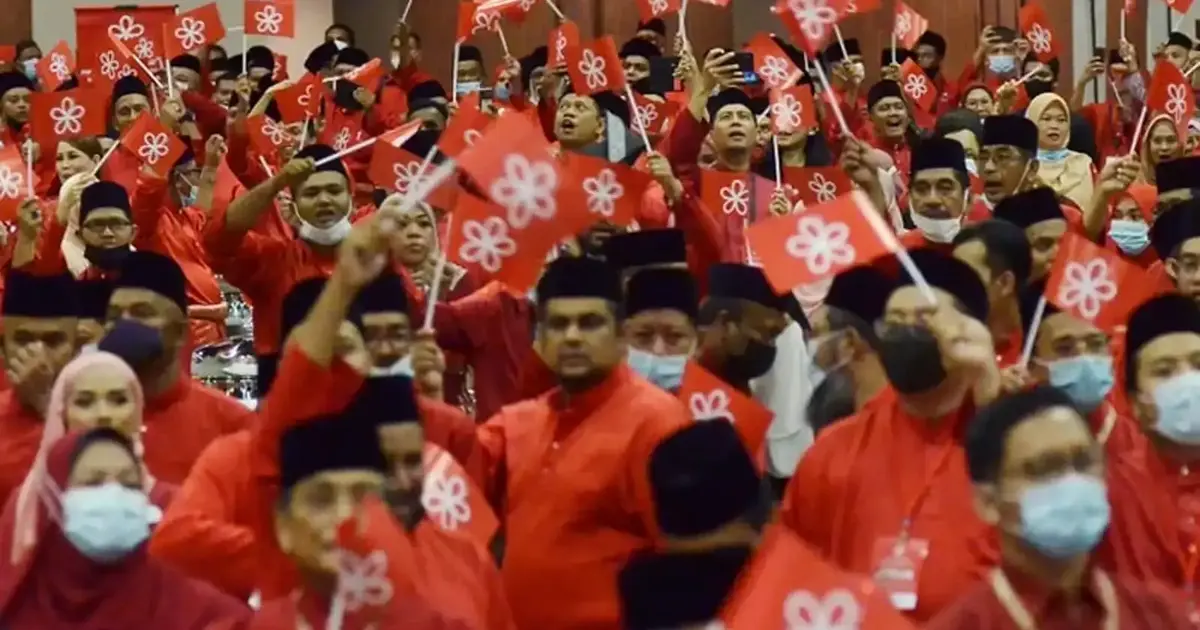
Tensions within the Perikatan Nasional alliance have surfaced anew, with PAS treasurer Iskandar Abdul Samad openly questioning the sustainability of Bersatu's participation in the coalition. His remarks signal deepening fractures within what was presented as a unified opposition force, raising fundamental questions about the stability of political alliances in Malaysia's increasingly fragmented landscape.
Iskandar's intervention highlights a growing disconnect between Bersatu and its coalition partners, particularly the more established PAS machinery. Rather than viewing the smaller party as a complementary force, senior PAS officials appear to view Bersatu's continued presence as problematic for overall coalition effectiveness. This shift in rhetoric from within PN's own ranks suggests internal disagreements have moved beyond private discussions into public criticism.
Bersatu has occupied an ambiguous position within Malaysian politics since its formation, drawing members from various backgrounds and maintaining shifting allegiances based on political calculation. Its membership within Perikatan Nasional was always presented as a strategic consolidation of opposition sentiment, yet the party's operational capacity and distinct political identity have remained sources of contention among partners who question whether it contributes meaningfully to the coalition's objectives.
The comment from Iskandar reflects broader structural challenges facing multi-party coalitions in Malaysia's current environment. As parties negotiate positions, ministerial appointments, and electoral seat allocations ahead of potential national or state elections, smaller or newer entrants like Bersatu face pressure from established partners to justify their presence and value. PAS, as one of PN's most substantial components, clearly feels emboldened to voice concerns that may resonate with other coalition members.
From a Malaysian political perspective, such public criticism from within an opposition coalition carries significant implications. Malaysian voters have grown accustomed to coalition partnerships fragmenting under pressure when electoral prospects shift or when power-sharing arrangements fail to satisfy all members. That a coalition treasurer is now openly questioning a partner's viability suggests trust structures within PN are already under considerable strain, regardless of whether elections are imminent.
Bersatu's trajectory has involved considerable rebranding and repositioning. Established primarily by former Prime Minister Mahathir Mohamad and later led by Muhyiddin Yassin, the party has struggled to develop an independent political narrative distinct from its leadership personalities. This identity weakness likely contributes to partner concerns about Bersatu's capacity to deliver electoral value or policy coherence within a coalition framework where PAS brings significantly larger grassroots organisation and traditional support bases.
The timing of such public commentary also warrants consideration. Political alliances in Malaysia frequently hinge on calculations regarding electoral viability and seat-winning capacity. If PAS leadership perceives that Bersatu's continued participation dilutes PN's electoral appeal or complicates internal negotiations over seat allocations, such criticism becomes a form of political pressure designed to force either substantive reform or potential departure.
For Malaysian observers monitoring opposition politics, Iskandar's statement represents a notable escalation in internal coalition critique. Where private disagreements might have been managed through behind-the-scenes negotiations, public questioning by a senior financial officer indicates that concerned factions within PN have concluded that internal criticism is now politically advantageous. This suggests coalition dynamics have shifted in ways that may ultimately prove destabilising.
The broader context involves Malaysia's polarised political environment, where coalitions must maintain sufficient cohesion to present credible electoral alternatives. PN's formation was intended to offer voters opposed to the Pakatan Harapan government a consolidated alternative. Yet maintaining that coalition while accommodating diverse parties with distinct interests and constituencies has proven persistently challenging, particularly as individual parties pursue tactical advantages that sometimes conflict with overall coalition strategy.
Bersatu's defenders might argue that the party provides valuable bridging capacity, connecting constituencies that neither PAS nor other PN components effectively reach. However, Iskandar's comments suggest this argument carries diminishing weight among influential party figures who increasingly view Bersatu as more burden than asset. This represents a fundamental shift from initial coalition-building rhetoric that celebrated diversity and complementary strengths.
Looking forward, such public criticism typically precedes either significant internal restructuring or eventual coalition dissolution. Malaysian political history demonstrates that once senior officials begin publicly questioning partner viability, genuine resolution becomes increasingly difficult. The question now facing PN is whether Bersatu can respond effectively to restore confidence, or whether the coalition has entered a terminal phase of mistrust that will eventually necessitate restructuring or separation. For Malaysian politics broadly, these tensions underscore the persistent difficulty of maintaining stable multi-party alliances in an environment where individual party interests frequently diverge from coalition objectives.