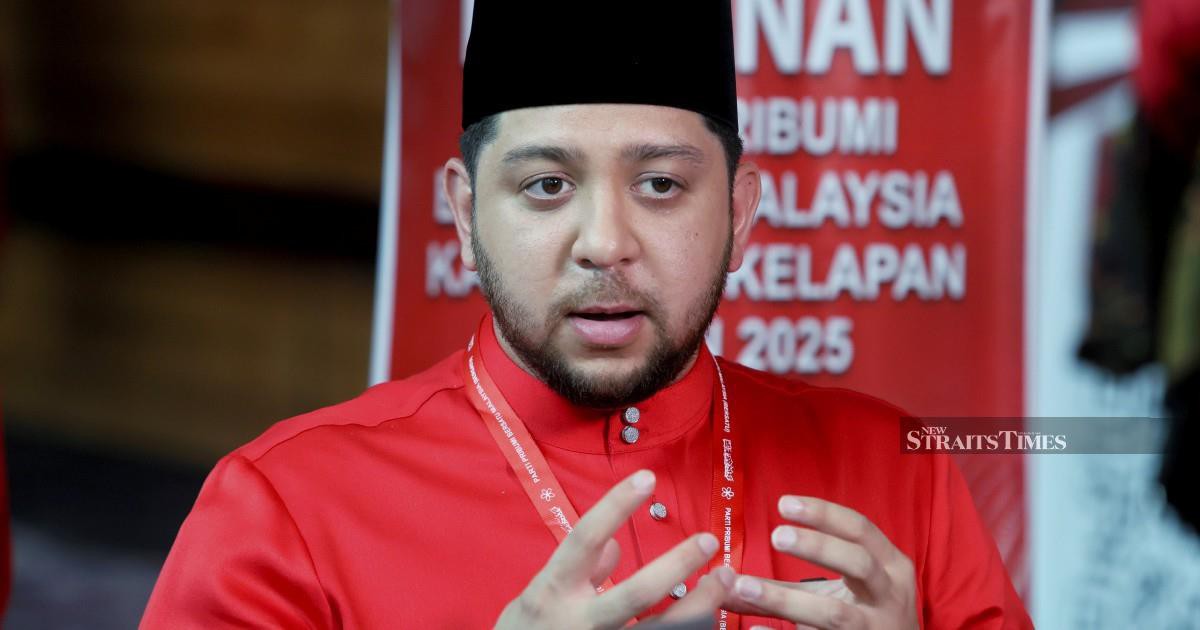
Bersatu Youth has called for the Malaysian Anti-Corruption Commission (MACC) and police to act swiftly against individuals who face allegations of mismanaging Lembaga Tabung Haji (TH) during the BN administration. The youth wing's appeal underscores mounting pressure on law enforcement to investigate what many view as a critical case of institutional failure affecting the financial interests of millions of Malaysian hajj pilgrims.
The organization's intervention reflects broader concern within UMNO's rival coalition partner about accountability in state-linked enterprises. Tabung Haji, which manages savings for Malaysian Muslims preparing for the Hajj pilgrimage, sits at the heart of religious and public trust. The institution's troubles represent far more than financial mismanagement; they strike at the credibility of bodies entrusted with community welfare and life savings.
The alleged mishandling occurred during years when Barisan Nasional held federal power, a period marked by what critics describe as governance lapses across multiple government-linked companies. These controversies intensified following the 2018 electoral transition, when incoming administrations began auditing previous regimes' stewardship of public institutions. Tabung Haji's difficulties emerged from multiple operational and investment decisions that reportedly depleted reserves and created structural vulnerabilities.
For Bersatu Youth, the timing of this appeal matters considerably. The party, having initially supported Perikatan Nasional before rejoining UMNO-led coalitions, seeks to demonstrate commitment to anti-corruption principles while maintaining party unity. By targeting alleged misdeeds under the previous BN era, the youth movement positions itself as guardian of institutional integrity, a stance potentially valuable ahead of future electoral contests.
The scale of Tabung Haji's predicament cannot be understated. The institution serves roughly 18 million account holders whose deposits represent their hajj funds and religious savings accumulated over years. When mismanagement threatens these reserves, it affects families planning one of life's most significant spiritual journeys while also raising fundamental questions about how state bodies protect citizen assets.
MACC's investigations into corporate governance failures have intensified in recent years, but resource constraints and case complexity often slow proceedings. Financial crimes within government-linked companies typically involve intricate paper trails, multiple stakeholders, and considerable sums—making prosecutorial work demanding. The commission faces pressure to balance thorough investigation with public expectations for visible action against high-profile allegations.
Police involvement adds another layer, particularly where criminal conduct is suspected beyond corruption frameworks. Money laundering, fraud, and breach of fiduciary duty may fall under different enforcement jurisdictions, requiring coordination between agencies. For Bersatu Youth's appeal to translate into meaningful outcomes, security agencies must receive sufficient resources and political support to pursue investigations without obstruction.
The controversy carries implications beyond individual accountability. It highlights systemic weaknesses in how Malaysia governs state enterprises and supervises leadership in institutions handling public funds. Board oversight, internal controls, and auditing mechanisms that failed to prevent Tabung Haji's deterioration remain concerns across the broader portfolio of government-linked entities, from development banks to pension funds.
International precedent shows that restoring trust in compromised institutions requires visible accountability combined with structural reform. Shareholders and depositors need assurance that wrongdoing faces consequences and that governance improvements prevent recurrence. Without decisive action against alleged perpetrators, public confidence in Tabung Haji's recovery efforts will remain fragile, potentially affecting future participation rates and financial inflows.
Regional dimensions also warrant consideration. Several Southeast Asian countries struggle with governance challenges in religious trust funds and pilgrim savings schemes. Malaysia's handling of the Tabung Haji matter may influence how neighboring nations approach comparable institutions, particularly given the significant Muslim populations across the region relying on similar frameworks for hajj preparation.
For ordinary Malaysians holding Tabung Haji accounts, Bersatu Youth's appeal represents validation that their concerns command political attention. Many depositors have experienced distress over account valuations and delayed disbursements, frustrations that underscore why timely enforcement action carries both practical and symbolic weight. Whether MACC and police respond with the urgency demanded remains to be seen, but public statements from political quarters have intensified pressure for results.
The path forward requires investigators to examine whether violations occurred at strategic decision-making levels or dispersed throughout operational hierarchies. Establishing culpability and demonstrating prosecutable misconduct presents technical and legal challenges that determine whether investigations ultimately yield convictions or administrative consequences. Regardless, transparent communication about investigation progress would help address public frustration about accountability timelines.
Tabung Haji's travails ultimately reflect broader conversations about institutional governance, political accountability, and public trust in Malaysia's democratic system. How authorities respond to Bersatu Youth's appeal will influence perceptions of whether the country's anti-corruption framework functions impartially regardless of which coalition previously wielded power.

