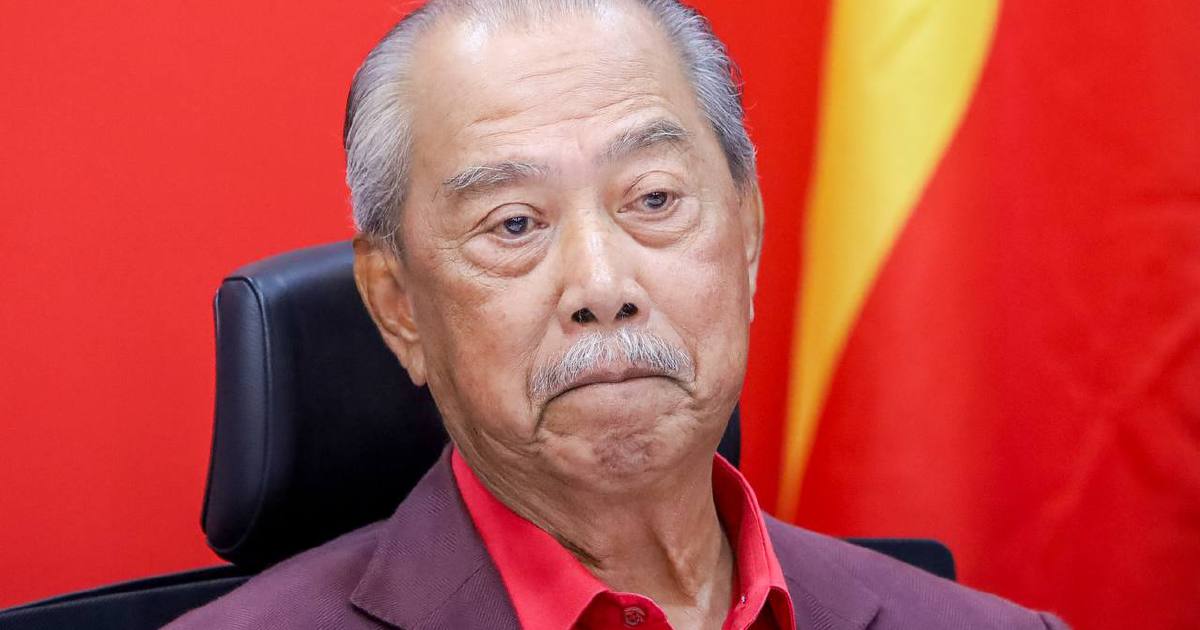
Parti Pribumi Bersatu Malaysia has firmly signalled its intention to remain within Perikatan Nasional, with party president Tan Sri Muhyiddin Yassin confirming that the party will field candidates in the upcoming Johor and Negri Sembilan state elections under the coalition's unified banner. The announcement represents a stabilising move for the opposition grouping as it prepares for what may be pivotal contests that could reshape the political landscape in two strategically important Malaysian states.
Muhyiddin's declaration comes at a time when coalition stability has been a recurring concern among observers and party members alike. Perikatan Nasional, which comprises Bersatu, PAS, and various other political entities, has faced questions about cohesion in recent months as member parties navigate shifting political dynamics and electoral calculations. By publicly reaffirming Bersatu's commitment to the alliance structure and confirming participation under the PN logo rather than as an independent entity, the party leader has attempted to dispel speculation about potential fractures or independent action.
The decision to contest both Johor and Negri Sembilan as part of the coalition framework carries significant weight, as these states hold considerable sway in national politics and represent battlegrounds where electoral outcomes could influence broader political movements. Johor, in particular, has historically been crucial to determining which political forces can claim dominance at the federal level, and Negri Sembilan's proximity to the Klang Valley makes its political complexion relevant to strategies affecting the greater Kuala Lumpur region. For Bersatu, maintaining unity within PN during these contests suggests the party is prioritising consolidated opposition strength over the pursuit of individual political advantage.
The reaffirmation also indicates that Bersatu intends to work collaboratively with its coalition partners, including PAS, in candidate selection and campaign strategies for both states. This contrasts with scenarios where ambitious coalition members might seek to maximise their own seat allocations at the expense of partner parties. By committing to the coalition logo—rather than employing separate party symbols or breakaway candidacies—Bersatu is essentially tying its electoral fortunes to the collective performance of the broader PN alliance, a move that requires confidence in the coalition's ability to attract voter support.
For Malaysian voters in these two states, the commitment means they will encounter a unified opposition front in the approaching elections, with candidates running under the same PN branding and presumably operating under agreed-upon policy frameworks. This presents a clearer choice compared to scenarios involving fragmented opposition participation, though it may also limit voter options in constituencies where PN members are the sole non-government entities contesting seats. The transparency of this arrangement gives voters clearer information about potential government formations should the coalition achieve significant electoral success.
Internally, Muhyiddin's statement likely carries messages for Bersatu members and grassroots supporters who might have harboured doubts about the party's medium-term direction. Repeated assertions of commitment to PN help consolidate party discipline and prevent defections or parallel candidacies that could damage electoral performance. Such statements also serve to manage expectations among party cadres competing for nomination, as they clarify that tickets will be distributed within the framework of coalition agreements rather than through free-for-all internal contests.
The timing of the announcement merits consideration within the broader Malaysian political calendar. State elections in Johor and Negri Sembilan are not yet officially scheduled, yet Bersatu's proactive positioning suggests the coalition expects contests to materialise within a defined timeframe. This forward planning may reflect confidence within PN leadership about the coalition's readiness to campaign, or alternatively, an attempt to project confidence even as parties complete internal organisational work. Either way, the public commitment constrains Bersatu's options and signals to the electorate that the party is serious about opposing the current government through established institutional channels.
The reliance on the PN coalition logo also reflects calculations about brand strength in these states. Whether PN as a collective brand carries greater voter appeal than Bersatu operating independently is an empirical question that will be tested during actual campaigns. Bersatu's presence in Johor, where the party has historical roots and existing grassroots organisations, may benefit from coalition branding that presents a more comprehensive opposition alternative to incumbent governing parties. In Negri Sembilan, where PN's organisational footprint may be less established, the same coalition badge could provide legitimacy and resources that an isolated Bersatu might struggle to accumulate.
Regionally, this commitment by a major Malaysian opposition party to maintain coalition discipline carries implications for other Southeast Asian opposition movements observing how Malaysian political forces manage unity and electoral competition. The decision to prioritise coalition coherence over individual party maximisation offers a model, though one that carries risks should electoral performance disappoint member parties or should policy disagreements emerge during coalition governance.
Looking forward, Bersatu's reaffirmation requires demonstrable follow-through during actual campaign preparation and candidate selection processes. Voters and observers will monitor whether the party genuinely implements collaborative arrangements with other PN components or whether internal tensions surface as elections approach. The credibility of Muhyiddin's statement depends substantially on whether Bersatu and its coalition partners can maintain unified messaging and avoid public disputes over seat allocations or policy directions in the weeks preceding formal nomination periods.