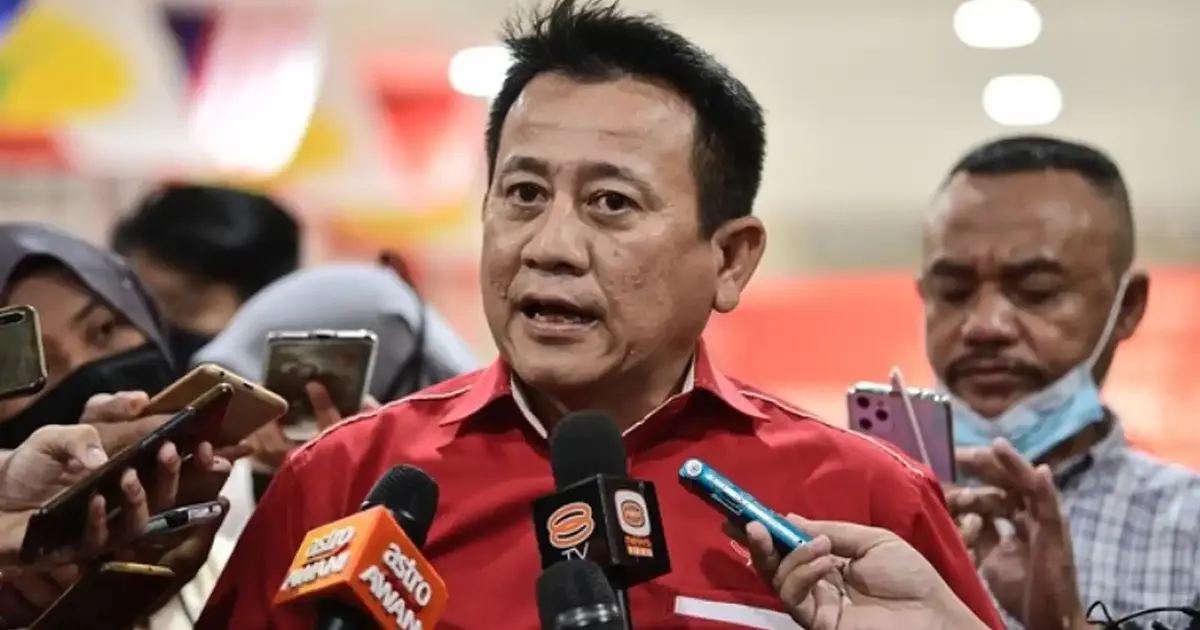
Bersatu has moved to dispel mounting speculation about its role in determining the membership composition of Perikatan Nasional, with senior party figures asserting that the coalition expansion debate centres on a separate entity altogether. Information chief Tun Faisal Ismail Aziz issued clarifications aimed at addressing public perceptions that Bersatu is orchestrating resistance against Pejuang's potential entry into the PN framework, a characterisation the party firmly rejects.
The distinction Tun Faisal drew proves significant for understanding the internal dynamics of Malaysia's opposition coalition, which has undergone considerable restructuring in recent years. Rather than opposing Pejuang—the political vehicle associated with former prime minister Mahathir Mohamad—Bersatu's reservations target Parti Wawasan Negara, a political entity with its own trajectory and membership base. This clarification carries weight as PN grapples with questions about strategic direction and the integration of various political forces seeking alignment with the broader coalition framework.
The coalition landscape in Malaysia remains fluid and occasionally contentious, with member parties navigating competing interests and organisational philosophies. Perikatan Nasional itself represents a relatively recent political alignment, having emerged from shifting configurations within Malaysia's opposition camp. The process of admitting new members or formalising relationships with existing political groups demands careful negotiation among founding parties, each of which maintains distinct constituencies and leadership structures.
Tun Faisal's intervention suggests that confusion about Bersatu's position may have influenced broader perceptions about PN's openness to expansion. By explicitly stating the party's actual concerns, Bersatu appears intent on preventing mischaracterisation from complicating coalition unity. The emphasis on distinguishing between Pejuang and Parti Wawasan Negara reflects how coalition politics often turns on nuanced positioning rather than blanket acceptance or rejection of prospective members.
Peti Wawasan Negara's potential admission has apparently triggered concern within PN's structure because of perceived risks to internal cohesion. Bersatu's identification of this particular party as problematic suggests calculations about how its integration might affect the coalition's balance of power, decision-making processes, or policy alignment. Such considerations are hardly unusual in multi-party coalitions, where demographic strength and ideological compatibility significantly influence organisational culture and strategic outcomes.
The timing of this clarification matters considerably, as Malaysian politics remains volatile in the post-2022 period. The formation of Perikatan Nasional represented an attempt to consolidate opposition forces and present a credible alternative to competing political configurations. Maintaining clarity about membership criteria and admission processes therefore becomes essential for preserving stakeholder confidence and preventing internal divisions from becoming public disputes that undermine coalition credibility.
For Malaysian voters observing these coalition dynamics, the distinction Bersatu has articulated carries practical implications. Coalition membership shapes policy priorities, electoral coordination, and the character of potential future governments. Understanding which parties comprise PN and under what conditions new members gain entry provides insight into how the coalition likely functions and the degree of internal consensus underpinning its public positions.
Regionally, Malaysia's coalition formations attract attention from neighbouring Southeast Asian democracies navigating similar questions about opposition consolidation and multi-party cooperation. The mechanisms by which PN evaluates prospective members and resolves disputes about coalition composition offer lessons relevant to broader discussions about building effective political alternatives in the region's competitive party systems.
Bersatu's position also reflects the complicated history of Malaysian politics, where former prime ministers and their supporters continue wielding significant influence across party boundaries. Mahathir Mohamad's Pejuang exists within this complex ecosystem, and clarifying Bersatu's stance toward the party indirectly comments on questions of elder statesman politics and generational leadership within opposition circles. The party's willingness to distinguish its opposition to one entity from its position on another suggests sophisticated internal discussions about political relationships and institutional legacies.
Moving forward, the clarification from Bersatu's information chief signals that PN's membership architecture remains subject to active deliberation rather than fixed determination. This openness to ongoing discussion reflects the coalition's status as a relatively recent institutional arrangement still establishing durable norms and decision-making protocols. How the coalition ultimately resolves questions about Parti Wawasan Negara's admission and similar membership disputes will likely establish precedents influencing future coalition dynamics throughout Malaysia's opposition landscape.

