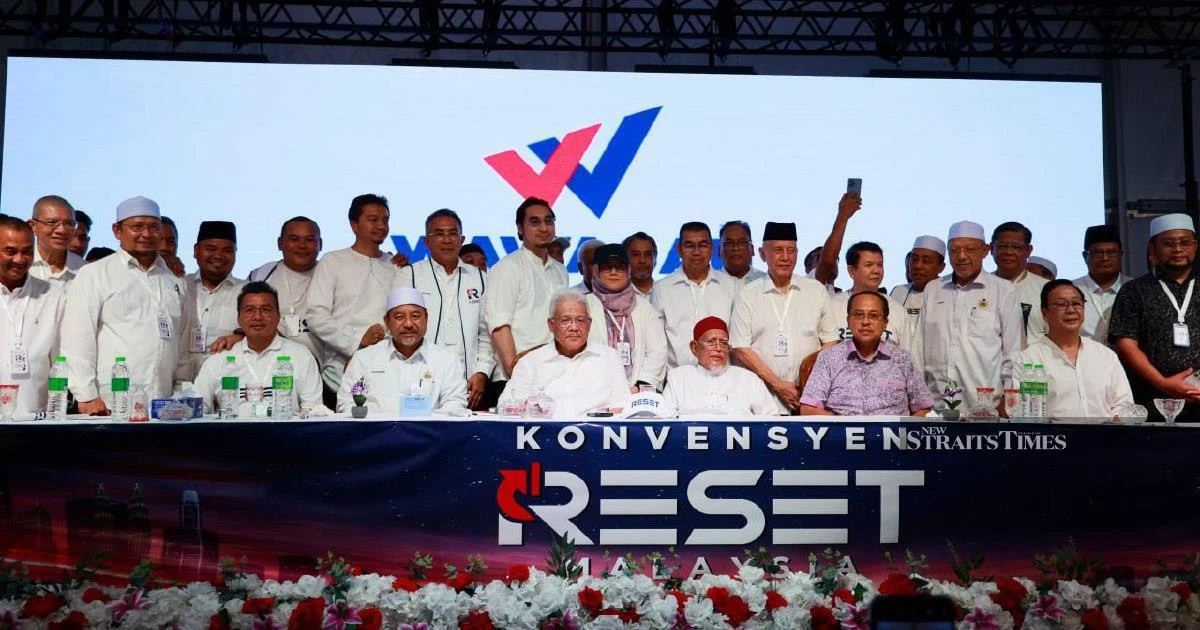
Perikatan Nasional descended into fresh turmoil after Bersatu raised serious questions about the procedural legitimacy of an emergency Supreme Council meeting convened on Monday night, which saw the coalition's leadership greenlight Wawasan's controversial entry into the alliance.
The dispute centres on whether PN's chairman followed established protocols when calling the hastily arranged meeting, with Bersatu contending that proper notice and procedural safeguards were bypassed in favour of swift action. The move highlights deepening tensions within the opposition coalition, which has struggled to maintain unity following recent political realignments and internal disagreements over strategic direction.
Wawasan's admission into PN represents a significant development for the coalition's composition and political trajectory, yet the manner in which it was processed has triggered accusations of autocratic decision-making. Bersatu's objection suggests that even within opposition alliances, fundamental questions about democratic governance and consensus-building remain contested, with smaller components fearful of being sidelined by dominant voices.
The emergency meeting format itself has become a flashpoint, with critics arguing that bypassing standard notice periods prevents adequate deliberation and consultation among member parties. Such procedures typically exist to ensure that substantial decisions affecting coalition membership and structure receive proper consideration, allowing all stakeholders to prepare positions and engage in meaningful discussion before voting.
For Malaysian political observers, the fracture within PN underscores a persistent weakness in opposition coalition management. Unlike formal government structures, which operate under constitutional and statutory constraints, coalition governance relies heavily on inter-party consensus and informal protocols. When these breakdown, as appears to be occurring here, the entire structure's viability comes into question.
Bersatu's challenge carries particular weight given its historical role as the primary architect of PN's formation and its continued influence within the alliance. The party's willingness to publicly contest procedural decisions signals either heightened confidence in its internal standing or genuine alarm about its declining influence—or both. This intervention may serve as a warning signal that other member parties harbour similar concerns about decision-making opacity.
The Wawasan admission itself reflects PN's strategic calculation to broaden its appeal and numerical strength in parliament, particularly as political fortunes shifted following the 2023 general election. However, expanding coalition membership without building genuine internal consensus creates precisely the instability now manifesting through Bersatu's protests.
From a broader Southeast Asian perspective, PN's difficulties mirror challenges facing opposition coalitions across the region. In Indonesia, Philippines, Thailand and elsewhere, multi-party alliances frequently collapse under the weight of competing interests and procedural disputes. Malaysia's political system, which permits loose coalition structures without formal legal frameworks, appears especially vulnerable to such fracturing.
The timing of Bersatu's challenge compounds existing complications. As the coalition prepares for potential electoral contests and legislative strategies, internal discord about basic governance procedures undermines credibility and negotiating capacity. Malaysian voters and international observers alike take note of such instability, drawing conclusions about whether opposition coalitions can function as coherent alternatives to incumbent governments.
Looking forward, PN faces pressure to either formalize its internal governance structures—establishing clear procedures for admitting new members, convening meetings, and making decisions—or risk ongoing disputes that erode coalition effectiveness. The current incident may prove pivotal in determining whether member parties accept stronger central coordination or increasingly pursue independent agendas.
Bersatu's position merits consideration beyond partisan calculation. Legitimate procedural objections, even when raised tactically, highlight real governance gaps. If PN's chairman genuinely circumvented established protocols to expedite Wawasan's admission, the precedent endangers all members' influence over coalition direction. Conversely, if procedures were properly followed but poorly communicated, PN's leadership must improve transparency to rebuild confidence.
The controversy arrives at a delicate moment for opposition politics in Malaysia. As the government consolidates power and implements its agenda, opposition unity becomes increasingly valuable. Internal disputes over procedural matters, while technically significant, risk undermining the coalition's ability to function as a credible alternative. Whether PN can resolve these tensions through dialogue or whether the rupture deepens will significantly influence Malaysia's political landscape over coming months.

