The Malaysian National News Agency (Bernama) has reinforced its position as a capable event organiser following the successful completion of the National Journalists' Day (HAWANA) 2026 Grand Finale in Penang, where approximately 1,000 media practitioners from across Malaysia and neighbouring ASEAN countries converged to celebrate media excellence and integrity. The event, held at PICCA Convention Centre @ Butterworth Arena and themed "Media Integrity Strengthens Credibility," was officially inaugurated by Prime Minister Datuk Seri Anwar Ibrahim, alongside Penang Chief Minister Chow Kon Yeow and Communications Minister Datuk Fahmi Fadzil, underscoring the national significance attached to the gathering.
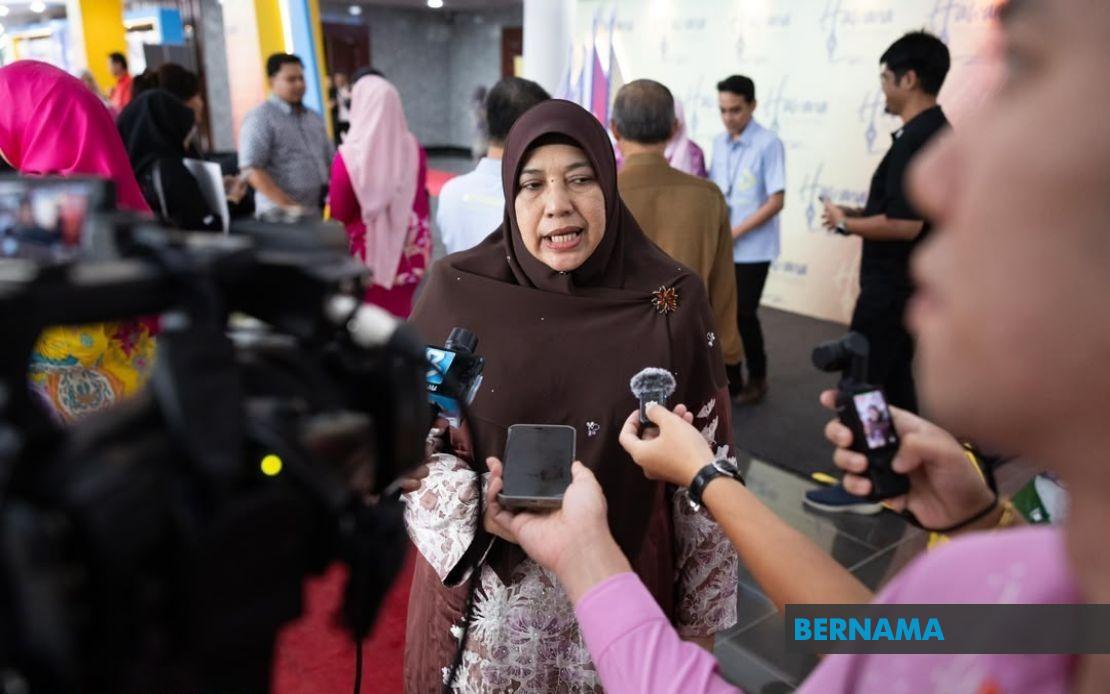
Bernama's chief executive officer, Datin Paduka Nur-ul Afida Kamaludin, highlighted that the agency's successful execution of the event represented a significant milestone in demonstrating internal organisational capabilities. In her remarks following the finale, she expressed considerable pride in the dedication displayed by Bernama personnel who served across the various sub-committees responsible for orchestrating the complex logistics and programming of the two-day event. This achievement carries particular weight given the scale of coordination required to accommodate journalists and media representatives from multiple nations and diverse professional backgrounds.
A defining achievement of this year's HAWANA edition was Bernama's inaugural production of a complete live broadcast utilising exclusively in-house technical resources and creative personnel. This accomplishment marks a notable departure from previous years' dependence on external production services, signifying the agency's investment in developing comprehensive multimedia capabilities. The production apparatus encompassed all stages of the broadcast workflow, from initial conception through final delivery, demonstrating the depth of technical expertise resident within Bernama's workforce.
The scope of internal capability extended beyond broadcasting into broader creative and design functions. Bernama personnel handled all strategic planning and decision-making internally, whilst the agency's staff produced artificial intelligence-assisted video content, promotional materials, and layout designs without external contractor involvement. This comprehensive in-house approach reflects a deliberate institutional strategy to develop self-sufficiency across multiple technical disciplines, reducing reliance on third-party vendors whilst building internal expertise that can be repeatedly deployed for future initiatives.
The positive reception from the assembled media community offered tangible validation of Bernama's organisational approach. Nur-ul Afida observed that the enthusiasm and engagement demonstrated by attending journalists reflected the fundamental importance of HAWANA as an annual congregation point for Malaysia's media sector. The fact that practitioners were already making enquiries about future host locations before the conclusion of the current event suggested sustained appetite for participation in subsequent years, indicating that HAWANA has established itself as an indispensable fixture in the professional calendar of Malaysian and regional journalists.
Looking forward, Bernama's leadership articulated an ambition to expand the geographic footprint of future HAWANA celebrations across different Malaysian states. This expansion strategy would serve dual objectives: providing media professionals with opportunities to network and exchange ideas whilst simultaneously introducing participating journalists to the economic, cultural, and administrative characteristics of host regions. Such an approach recognises HAWANA's potential to function not merely as a professional gathering but as a vehicle for regional promotion and enhanced understanding between the media community and local governments.
The recognition by the Communications Ministry in assigning Bernama the role of implementing agency for HAWANA represents a significant endorsement of the news agency's institutional competence. Nur-ul Afida noted that this year marked the sixth consecutive year that Bernama has held this responsibility, a tenure that reflects sustained ministerial confidence in the agency's capacity to uphold the event's standards and objectives. Her statement regarding hopes for continued engagement with the ministry underscored the political and professional importance that Bernama leadership attaches to this assignment, viewing it as both validation of past performance and a platform for future institutional growth.
The choice of HAWANA 2026's theme, "Media Integrity Strengthens Credibility," carries particular resonance within Malaysia's current media landscape. At a time when newsroom sustainability faces challenges from digital disruption and audience fragmentation, the gathering of approximately 1,000 practitioners signalled the resilience and continuing relevance of professional journalism in the region. The participation of journalists from other ASEAN nations suggested that questions of editorial standards, factual accuracy, and public trust transcend national boundaries and resonate across Southeast Asia's diverse media ecosystem.
Bernama's capacity to manage a large-scale international gathering using internal resources has implications extending beyond the news agency itself. The successful execution demonstrates that Malaysian institutions can develop sophisticated event management, multimedia production, and logistical capabilities comparable to those offered by external international firms, potentially at lower cost and with greater alignment to national institutional objectives. For other government agencies and organisations contemplating major events, Bernama's experience provides a proof-of-concept for building in-house capabilities rather than perpetually outsourcing to external contractors.
The integration of artificial intelligence into Bernama's video production workflow during HAWANA 2026 also signals the agency's engagement with emerging technologies relevant to modern journalism and media operations. Rather than treating AI as an external threat to newsroom employment, Bernama has positioned the technology as a tool to enhance the productivity and creativity of its existing workforce. This approach may offer a template for other Malaysian media organisations navigating the complex intersection of technological innovation and professional journalism practice.
The broader context for HAWANA 2026's success encompasses Malaysia's ongoing efforts to strengthen its information ecosystem and reinforce public confidence in news media. As governments across Southeast Asia grapple with phenomena such as disinformation and the proliferation of unverified content on social platforms, dedicated forums like HAWANA that bring together professional journalists become increasingly valuable. Such gatherings provide opportunities for practitioners to establish professional networks, discuss shared challenges, and collectively affirm commitment to ethical journalism standards that serve the public interest.
Looking at the trajectory established by this successful event, Bernama appears positioned to deepen its institutional role beyond news gathering and distribution into broader functions encompassing media sector development and professional community building. The agency's demonstrated capability to orchestrate complex events whilst deploying cutting-edge production technologies suggests that future HAWANA iterations may expand in scope and sophistication. Should Bernama secure renewed engagement from the Communications Ministry for upcoming years, the agency will likely leverage lessons learned from HAWANA 2026 to enhance subsequent celebrations, potentially establishing the event as a signature platform for regional media excellence and establishing Bernama as an institution of strategic importance to Malaysia's broader communications ecosystem.

