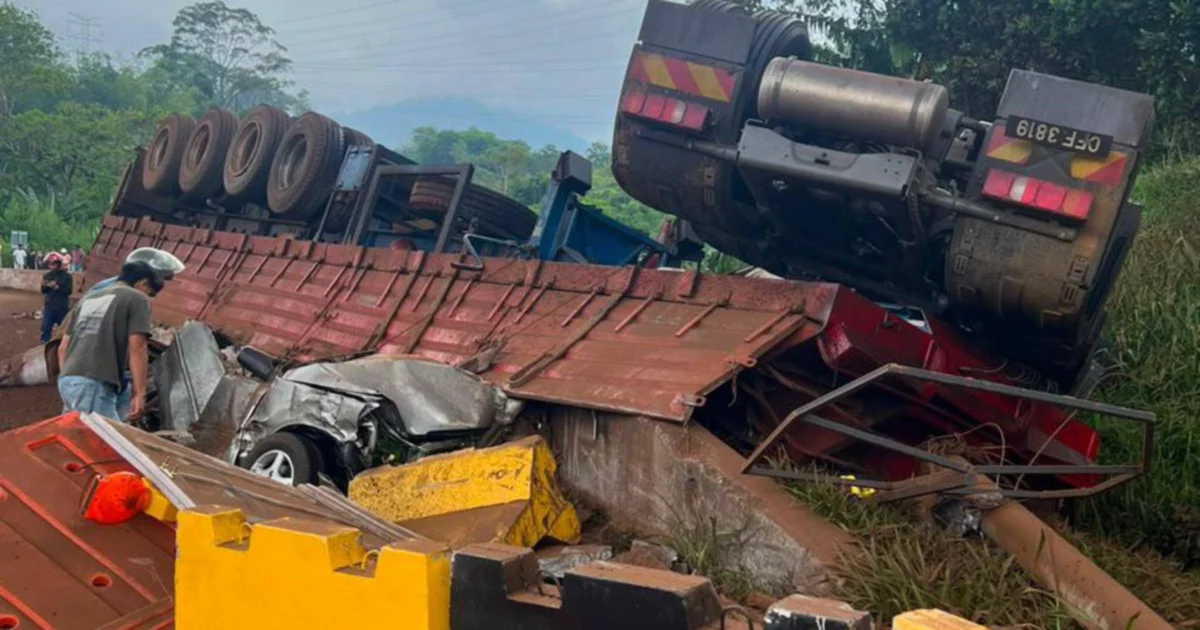
The operator of a heavy trailer vehicle implicated in a collision that claimed four lives on the Karak Expressway has regained his freedom on police bail as authorities pursue their investigation into the circumstances surrounding the June 14 incident. The release comes after preliminary questioning at the Pekan police headquarters, marking a significant development in a case that has drawn considerable attention to road safety on one of Malaysia's busiest expressway corridors.
The fatal crash occurred near Bentong, a township in Pahang located along a heavily trafficked section of the Karak Expressway that serves commuters and commercial vehicles traversing between the Klang Valley and the east coast. Investigations into the precise sequence of events have centred on determining whether mechanical failure, human error, or environmental factors contributed to the collision. The magnitude of casualties—four deaths—underscores the potentially catastrophic consequences of accidents involving large commercial vehicles on high-speed expressways.
Releasing the driver on bail represents standard police procedure in cases where prima facie evidence has been gathered but prosecution has not yet proceeded to formal charges. The decision reflects investigative protocols that seek to secure voluntary compliance with the legal process while detailed forensic analysis, witness statements, and vehicle examination continue. Such measures are typically employed when authorities believe sufficient grounds exist to proceed, but require additional corroborating evidence before filing charges in court.
The Karak Expressway has experienced recurring traffic incidents, particularly in sections traversing hilly terrain between Pekan and Bentong where accident frequencies cluster around challenging curves and weather-dependent visibility changes. Commercial vehicles, particularly laden trailers and heavy goods vehicles, present heightened risk factors given their extended braking distances, reduced manoeuvrability, and mass-related kinetic energy in collision scenarios. The expressway's design and maintenance standards have periodically come under scrutiny following major incidents.
Fatalities involving heavy commercial vehicles often trigger broader examinations of driver conduct, vehicle maintenance protocols, and adherence to rest-hour regulations stipulated under Malaysian transport legislation. The Road Transport Act and related regulations mandate periodic vehicle inspections and impose restrictions on consecutive driving hours. Investigations typically establish whether pre-collision mechanical inspections had been completed, driver fatigue played a role, or speed exceeded regulatory limits for heavy vehicles on expressway sections.
The four deceased represent families directly affected by the tragedy, with cascading implications for dependents and wider community networks. Such incidents historically catalyse public discourse regarding enforcement of traffic regulations, penalty structures for dangerous driving, and investment in expressway safety infrastructure including barrier systems, warning signage, and emergency response facilities.
Bail conditions imposed on the driver typically restrict movement, mandate periodic police reporting, and prohibit passport cancellation pending trial. These measures ensure continued availability for prosecution while avoiding pre-trial detention that complicates court scheduling and imposes custodial strain on remanded persons. The trailer operator's cooperation with investigators will likely factor into eventual sentencing considerations if charges proceed to conviction.
Traffic-related prosecutions in Malaysia frequently involve charges under the Road Transport Act, with conviction potentially resulting in licence suspension, substantial fines, and imprisonment depending on circumstantial severity and establishment of criminal negligence. The distinction between rash or negligent driving and grievous negligence causing death bears significant sentencing implications, with courts examining causative factors and evidence of culpable inattention.
The Bentong incident exemplifies ongoing challenges within Malaysia's commercial transport sector, where economic pressures, driver fatigue, and competing demands for rapid cargo movement occasionally override safety consciousness. Industry stakeholders and regulatory bodies have increasingly implemented telematics monitoring, driver behaviour training programmes, and vehicle fitness certification schemes designed to mitigate accident frequencies within commercial fleets.
Beyond individual accountability, the case invites examination of expressway management policies, emergency response protocols, and post-incident family support mechanisms. The psychological and financial consequences for surviving family members persist long after court proceedings conclude, often prompting advocacy for enhanced compensation frameworks and victim support services within Malaysia's legal infrastructure.
Police investigations involving fatal traffic collisions typically require specialist accident reconstruction expertise, obtaining black-box data from vehicles where available, interviewing surviving witnesses, and examining mobile phone records to determine pre-collision activities. These investigative dimensions require weeks or months to complete comprehensively, explaining the bail release period pending prosecution.
The forthcoming prosecution will establish jurisprudential precedent regarding acceptable standards of care for commercial drivers operating large vehicles on expressways, potentially influencing industry practices and regulatory enforcement priorities. Public attention to the outcome reflects Malaysian society's evolving expectations regarding road safety accountability and corporate responsibility within transport sectors handling public mobility.

