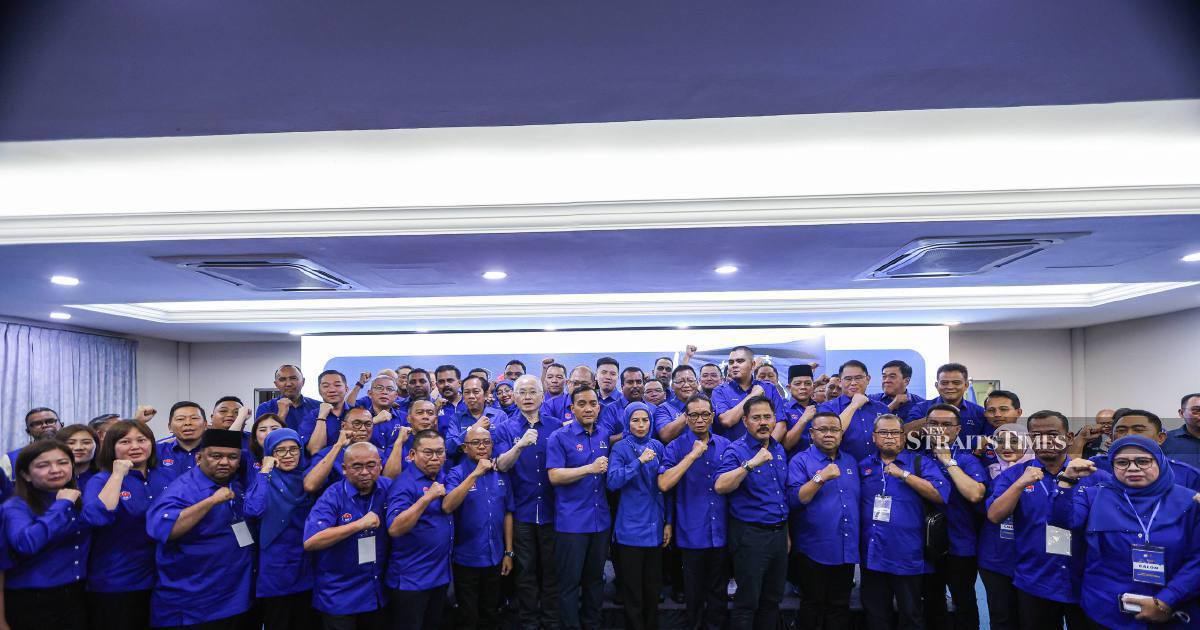
Barisan Nasional has formally unveiled its complete roster of 56 candidates for the upcoming Johor state election scheduled for July 11, marking a significant milestone in the coalition's campaign preparations. The announcement, made in Johor Baru, represents the finalisation of BN's electoral strategy for the economically important state and signals the coalition's readiness to contest what promises to be a competitive electoral contest.
The full slate reveals how BN has distributed candidacies across its member parties and demographic considerations. This comprehensive disclosure allows party members, opposition movements, and the voting public to understand the composition of potential representatives who might hold office following the election. The timing of the announcement reflects standard electoral procedure, giving candidates adequate time to organise their grassroots operations and engage constituents before polling day.
Johor holds particular significance within Malaysia's political landscape as one of the most influential states economically and demographically. The southern state's electoral outcomes often signal broader trends affecting national politics, making the composition of BN's candidate list worthy of close examination. The selection process necessarily involved negotiations among BN's constituent parties, each seeking adequate representation proportional to their organisational strength and historical performance in the state.
The unveiling of the full candidate slate comes amid intensifying political campaigns across the state. Rival coalitions and independent candidates have already launched their own electoral mobilisation efforts, creating a crowded and competitive environment for voter attention. BN's formal announcement of its complete roster removes uncertainty about the coalition's final contest lineup and allows for direct comparison of candidate profiles, backgrounds, and policy positions with competing candidates.
Candidate selection in Malaysian elections frequently generates intense internal party dynamics, as multiple contenders often aspire to specific seats while party leadership must balance various considerations including winnability, demographic representation, party loyalty, and factional sensitivities. The completion of BN's selection process suggests these negotiations have been resolved, though questions about intra-coalition satisfaction and unity heading into the campaign remain relevant.
The state's electoral context includes considerations of economic performance, infrastructure development, and social stability that resonate differently across different constituencies. BN's chosen candidates will need to articulate how they address constituent concerns about cost of living, employment opportunities, education quality, and healthcare provision—issues affecting households across Johor regardless of demographic background.
Johor's political history shows the state has alternated between different coalitions in past elections, though BN has maintained substantial influence throughout. The state's voter base includes diverse communities—Malay-Muslim majority areas, significant Chinese and Indian populations, and substantial migrant worker communities—requiring candidates sensitive to varied community priorities and aspirations.
The announcement of the complete candidate list enables media organisations and civil society watchdogs to conduct substantive analysis of the candidates' qualifications, track records, and policy positions. Such scrutiny contributes to informed voter decision-making and public discourse about the quality of candidates seeking elected office. The visibility of candidates also allows professional and community associations to engage with them on sector-specific concerns.
BN's confidence in unveiling its full slate simultaneously reflects organisational maturity and electoral strategy. A fully transparent candidate announcement demonstrates preparedness and reduces speculation about last-minute changes or surprise candidates. This approach contrasts with piecemeal announcements and signals to party members and supporters that leadership has made definitive decisions and expects unified campaign efforts.
The July 11 election represents an important opportunity for Johor voters to shape their state's direction across multiple policy domains. Transport infrastructure, port development, industrial investment, and agricultural modernisation all feature among state-level responsibilities affecting economic opportunities for residents. BN's candidate roster will need to demonstrate credibility in addressing these substantive governance challenges rather than relying solely on incumbency advantages.
Regional observers across Southeast Asia increasingly monitor Malaysian state elections as indicators of democratic health, political competition quality, and voter engagement patterns. Johor's election will provide evidence about whether Malaysian voters prioritise specific policy platforms or organisational strength when making electoral choices, contributing to broader understanding of voting behaviour in contemporary Malaysia.
The coming weeks will determine whether BN's candidate selections prove appealing to voters seeking continuity and experience, or whether opposition and independent candidates successfully challenge incumbent preferences. The electoral outcome will shape Johor's governance trajectory and influence broader national political calculations as major parties assess voter sentiment across different demographic and geographic constituencies.

