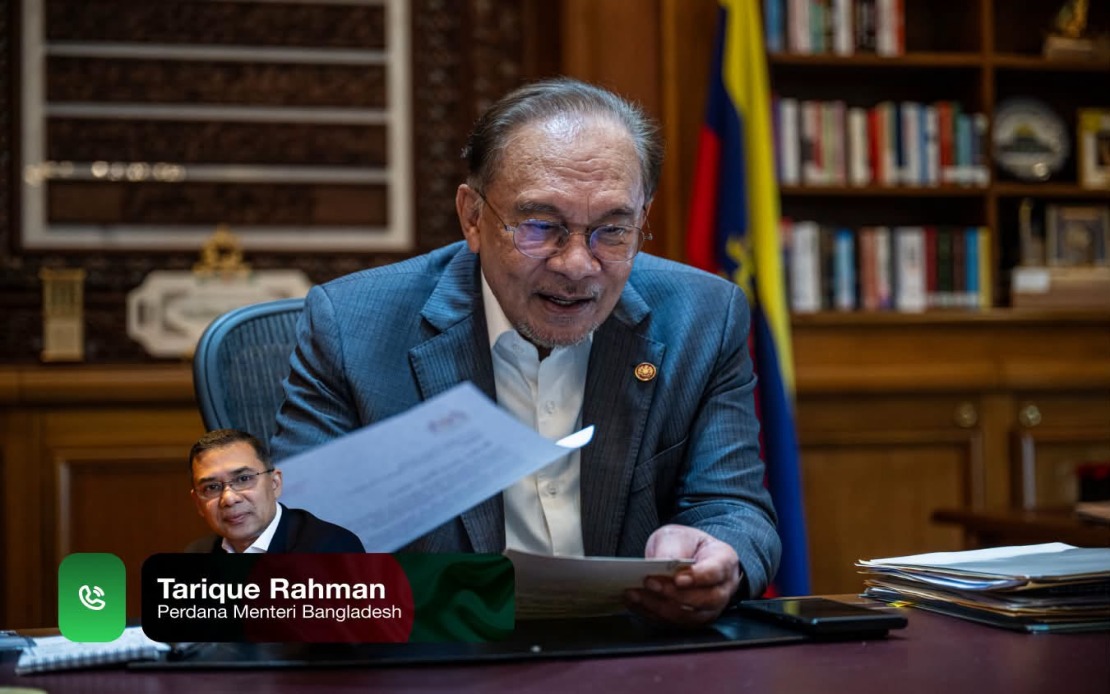
Prime Minister Datuk Seri Anwar Ibrahim revealed that Bangladesh has formally sought Malaysia's assistance in securing supplies of liquefied natural gas (LNG) to cope with an escalating energy crisis affecting the country. The request was made during a telephone discussion between Anwar and Bangladesh Prime Minister Tarique Rahman, during which the two leaders explored avenues for deepening bilateral cooperation in the critical energy sector.
The conversation between the two Southeast Asian leaders underscores the pressing nature of Bangladesh's current gas shortage, which has emerged as a significant challenge to the nation's economic stability and industrial operations. Anwar indicated that the discussions encompassed potential collaboration with Petronas, Malaysia's national petroleum corporation, to facilitate the supply of LNG to help address the immediate energy needs of the Bangladesh government and its citizens.
Beyond the energy sector, the two prime ministers used the opportunity to canvas broader possibilities for strengthening economic ties between their nations. Anwar highlighted that discussions extended to investment opportunities, including developments involving Axiata, the telecommunications conglomerate with operations spanning multiple Asian markets. The leaders also explored the potential for strategic cooperation involving MMC Port, Malaysia's container port operator, which could enhance trade corridors and logistics efficiency between the two countries.
Despite being geographically and culturally close, Malaysia and Bangladesh have long sought to expand their relationship beyond traditional diplomatic channels. The energy sector has emerged as a particularly significant domain for cooperation, given Malaysia's established position as a natural gas exporter and its technical expertise in the LNG industry. For Bangladesh, which has faced increasing pressure on its domestic gas reserves, accessing alternative suppliers has become a matter of strategic importance to sustain industrial production and meet growing domestic demand.
Anwar emphasised Malaysia's unwavering commitment to nurturing the established friendship with Bangladesh through channels characterised by mutual respect and pragmatic cooperation. This rhetorical framing reflects the diplomatic approach increasingly favoured by ASEAN nations, which prioritise tangible economic benefits alongside traditional alliance-building. The prime minister specifically noted that both governments were determined to ensure that bilateral initiatives would translate into concrete advantages for ordinary citizens of both countries, rather than remaining confined to governmental or corporate levels.
The backdrop to these discussions involves Bangladesh's vulnerable energy position. International reports have documented that the nation's gas supply deficit has been compounded by multiple factors. The geopolitical tensions in West Asia have disrupted global energy markets and affected shipping routes critical to LNG imports, while simultaneously a major industrial accident at a domestic facility has further reduced domestic production capacity. These overlapping crises have left Bangladesh scrambling to secure alternative energy sources to prevent industrial shutdowns and maintain power generation.
Malaysia's potential role in this situation reflects its status as both a natural gas producer and an established player in global LNG markets. Petronas operates liquefaction facilities and maintains contracts with various international buyers, positioning the company to potentially redirect or allocate supplies to meet Bangladesh's urgent requirements. However, such arrangements would require careful negotiation to balance existing contractual obligations with new commitments, and would likely involve complex commercial negotiations between the two national oil companies.
The investment discussion regarding Axiata represents another facet of the deepening economic relationship. The telecommunications sector has become increasingly important to Southeast Asian economies as digital transformation accelerates across the region. MMC Port's involvement in discussions suggests that both governments recognise the importance of physical infrastructure and logistics in supporting broader economic integration. Enhanced port capabilities could facilitate increased bilateral trade and serve as a gateway for regional commerce.
For Malaysia, responding positively to Bangladesh's energy request aligns with its broader regional leadership ambitions within ASEAN. Demonstrating willingness to assist neighbouring nations facing critical resource challenges enhances Malaysia's standing as a responsible regional power. Furthermore, such cooperation creates opportunities for Malaysian companies to expand their operational footprint and expertise in the Bangladeshi market, potentially opening doors to future commercial arrangements across multiple sectors.
The significance of this diplomatic overture extends beyond the immediate energy crisis. Bangladesh's economic growth has been dependent on stable energy supplies, and sustained shortages could undermine industrial competitiveness and manufacturing capabilities that have driven employment and export growth. Malaysia's assistance, whether through direct LNG supply arrangements or technical cooperation, could help stabilise Bangladesh's energy sector during this critical period.
Looking forward, the conversations initiated by Anwar and Tarique Rahman may establish frameworks for longer-term energy cooperation between the two nations. As global energy markets continue to face volatility and climate considerations increasingly shape energy policies, bilateral arrangements become more valuable. Malaysia's experience in managing natural resources sustainably while maintaining export revenues could provide valuable lessons for Bangladesh as it navigates its own energy transition.
The discussions also highlight broader trends within Southeast Asia, where smaller economies are increasingly seeking diversified energy sources and stronger bilateral ties to ensure resource security. Bangladesh's outreach to Malaysia reflects a pragmatic approach to solving immediate crises while building durable partnerships that can weather future challenges. For Malaysia, such engagement reinforces its position as a trusted partner in regional energy security and economic development.

