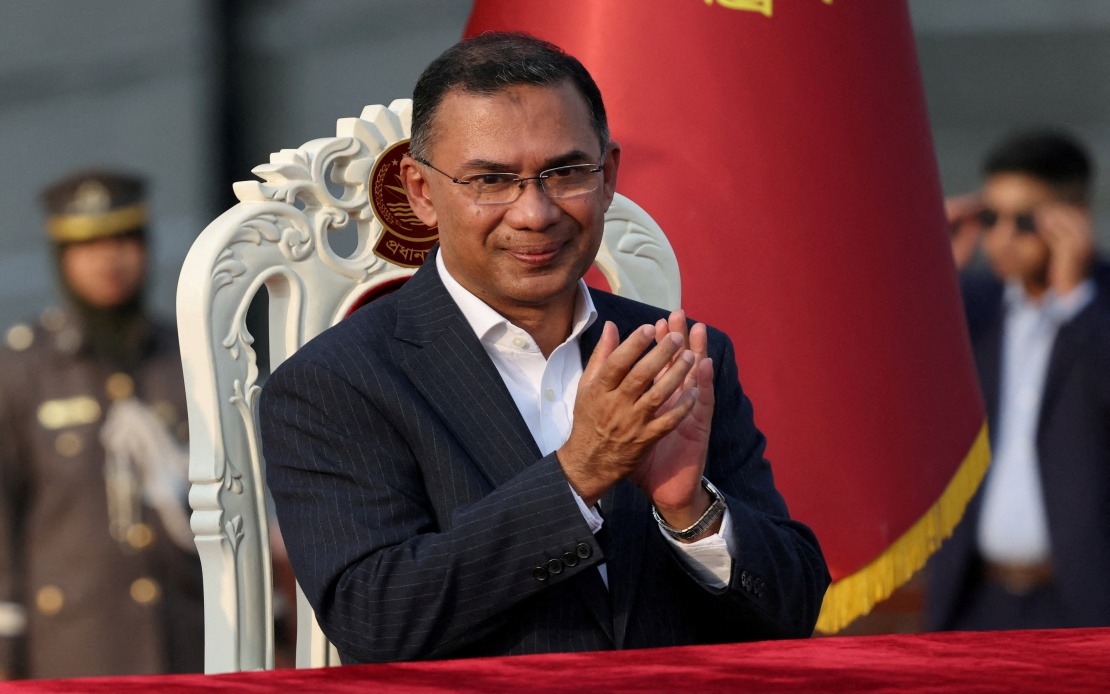
Bangladesh's Prime Minister Tarique Rahman will arrive in Malaysia on June 22 for an official state visit that represents a significant moment in the two nations' diplomatic engagement. The trip, conducted at the invitation of Malaysian Prime Minister Datuk Seri Anwar Ibrahim, marks Rahman's first bilateral venture overseas since he took office in February 2026, underscoring Malaysia's importance in Bangladesh's early diplomatic priorities.
The visit carries symbolic weight for both governments. By selecting Malaysia as his inaugural bilateral destination, Rahman signals the strategic importance he places on strengthening the South Asian nation's relationship with Southeast Asia at a formative period of his administration. For Malaysia, hosting such a high-profile early visit reflects Kuala Lumpur's commitment to deepening engagement across the broader region and consolidating its standing as a key diplomatic hub.
Rahman will receive a formal state welcome ceremony before engaging in substantive bilateral talks with Anwar at the Perdana Putra Complex. The two leaders will conduct a comprehensive review of bilateral relations and identify new avenues for cooperation spanning multiple sectors critical to both economies. Trade and investment feature prominently, alongside workforce development initiatives, semiconductor manufacturing, energy collaboration, agricultural partnerships, and educational exchanges—sectors where each nation possesses distinct advantages.
The economic dimensions of the relationship underscore why this visit matters beyond ceremonial considerations. In 2025, bilateral trade reached RM12.18 billion, equivalent to US$2.84 billion, positioning Bangladesh as Malaysia's 28th largest trading partner globally. More significantly for regional context, Bangladesh ranks as Malaysia's second most important trading partner within South Asia, surpassed only by India. This commercial foundation provides concrete substance to diplomatic engagement.
Malaysia's export profile to Bangladesh remains dominated by petroleum products, with total shipments valued at RM10.08 billion in 2025. This energy-focused trade structure reflects Malaysia's role as a resource supplier to Bangladesh's growing industrial base. Conversely, Malaysian imports from Bangladesh totalled RM2.10 billion, primarily comprising textiles, apparel, and footwear—products where Bangladesh maintains significant manufacturing competitiveness in regional and global markets.
The visit will produce several formal bilateral instruments. Both nations will exchange a memorandum of understanding focused on cultural cooperation, strengthening people-to-people connections that underpin lasting diplomatic relationships. Two additional exchanges of notes will address counter-terrorism research coordination and investment promotion mechanisms—recognising shared security concerns and the mutual benefits of facilitating capital flows between the two economies.
Rahman's delegation reflects the visit's high-level importance, including his spouse Dr Zubaida Rahman, Foreign Minister Dr Khalilur Rahman, and senior government officials. Prime Minister Anwar will host an official luncheon honouring the visiting dignitary, following standard diplomatic protocol that communicates respect and commitment to strengthening the bilateral relationship.
For Malaysia, deepening ties with Bangladesh carries particular significance given demographic and economic shifts reshaping the region. Bangladesh, with over 170 million inhabitants and substantial manufacturing capacity, represents both a labour source and an expanding consumer market. Malaysian businesses increasingly view Bangladesh as a manufacturing and investment destination, while Bangladesh seeks Malaysian technology transfer, capital, and expertise in sectors including energy and semiconductors.
The focus on semiconductor cooperation deserves particular attention, as both nations pursue technological advancement in this critical sector. Malaysia's established semiconductor ecosystem and Bangladesh's growing industrial capacity create complementary opportunities for joint ventures and knowledge exchange. Similarly, energy collaboration aligns with Bangladesh's rapid development requiring substantial power infrastructure investment, where Malaysia possesses technical expertise and potential financing mechanisms.
Educational exchanges represent another strategic dimension. Malaysia hosts significant numbers of Bangladeshi students, and formal cooperation agreements can streamline student mobility, recognise academic credentials, and build deeper networks among future leaders. Agricultural partnership similarly reflects mutual interest, as Bangladesh seeks modern farming techniques and technology transfer whilst Malaysia explores market opportunities in a densely populated nation requiring food security investments.
The timing of Rahman's visit also carries regional implications beyond bilateral considerations. His choice of Malaysia signals Bangladesh's commitment to maintaining strong ASEAN engagement and positioning itself as a strategic partner within Southeast Asia's broader geopolitical landscape. For Malaysia, hosting such visits reaffirms its role as a preferred diplomatic venue and reinforces its standing within both the Muslim-majority world and the broader Asian region.
Government-to-government cooperation frameworks established during this visit will likely generate cascading benefits across private sectors. Business associations and chambers of commerce typically follow high-level diplomatic visits with enhanced trade missions and investment conferences. The formal instruments agreed upon, particularly regarding investment promotion, may accelerate business activity between Malaysian and Bangladeshi enterprises.
As regional tensions and global economic uncertainties shape diplomatic calculations, visits like Rahman's underscore enduring bilateral relationships grounded in geographical proximity, cultural affinity, and economic interdependence. The substantive agenda—spanning energy, semiconductors, textiles, and labour—reflects pragmatic cooperation addressing contemporary development priorities rather than ceremonial niceties. This balance between formal diplomacy and tangible economic outcomes characterises meaningful state visits that generate lasting benefits beyond the immediate visit period.

