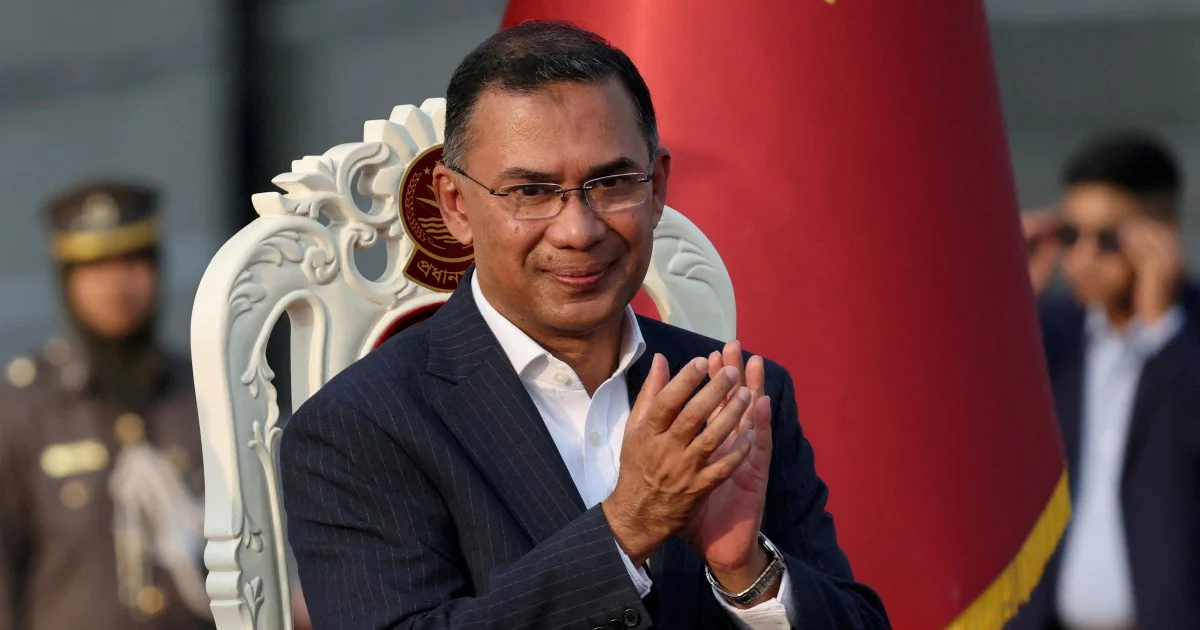
Bangladesh Prime Minister Tarique Rahman touched down at Sepang today, marking the beginning of an official visit designed to reinforce the longstanding partnership between Dhaka and Kuala Lumpur and chart fresh avenues for mutual cooperation. The arrival signals both nations' commitment to leveraging their shared interests in trade, investment, and regional stability amid a period of evolving geopolitical dynamics across Southeast Asia and South Asia.
The visit comes at a significant juncture for Bangladesh, which is navigating substantial political and economic transitions following recent upheaval in its domestic landscape. Rahman's decision to prioritise engagement with Malaysia underscores the strategic importance Dhaka places on its relationship with a key Southeast Asian economy and a fellow Muslim-majority nation with considerable regional influence. Such visits typically encompass high-level meetings between government ministers, parliamentary delegations, and senior officials from both countries.
Malaysia and Bangladesh have maintained diplomatic relations spanning decades, rooted in shared Commonwealth heritage, Islamic ties, and comparable development aspirations. The two nations have cooperated on matters ranging from trade and investment to education and cultural exchange. Malaysia hosts a significant Bangladeshi diaspora, including both skilled workers and professionals, whose remittances contribute meaningfully to Bangladesh's foreign exchange reserves. Strengthening institutional frameworks that facilitate labour mobility and worker protections remains an ongoing priority for both governments.
Economic cooperation represents a central pillar of bilateral engagement. Bangladesh's garment manufacturing industry, which generates substantial export revenues, maintains important commercial links with Malaysian buyers and logistics providers. Conversely, Malaysian companies have invested in Bangladesh's energy, telecommunications, and infrastructure sectors. The visit provides an opportunity for both nations to explore deepening trade relationships and attracting additional foreign direct investment in sectors aligned with Bangladesh's development agenda.
Regional integration through platforms such as ASEAN and the South Asian Association for Regional Cooperation offers additional dimensions for cooperation. Although Bangladesh is not an ASEAN member, it maintains dialogue partnerships with the bloc and engages actively in regional forums addressing maritime security, climate change, and sustainable development. Malaysia, as a prominent ASEAN voice, can facilitate Bangladesh's participation in regional initiatives and help bridge South and Southeast Asian interests on issues of common concern.
Climate resilience and disaster management represent areas where both nations face comparable vulnerabilities. Bangladesh, positioned in the Bay of Bengal, confronts recurring cyclonic threats and rising sea levels exacerbated by climate change. Malaysia similarly encounters monsoon-related flooding and environmental pressures. Bilateral knowledge-sharing and technical cooperation on climate adaptation, early warning systems, and disaster preparedness could yield tangible benefits for both populations.
Educational and human resource development feature prominently in bilateral frameworks. Malaysian universities attract substantial numbers of Bangladeshi students, fostering people-to-people connections and facilitating knowledge transfer. Expanded scholarship programmes and academic partnerships can deepen these bonds while supporting Bangladesh's aspirations to develop a skilled workforce capable of driving technological advancement and economic diversification.
Cultural diplomacy and public diplomacy initiatives strengthen emotional bonds between nations. Both Bangladesh and Malaysia celebrate Islamic heritage, participate in interfaith dialogues, and promote Southeast-South Asian cultural exchange. State visits like Rahman's provide platforms for amplifying these connections through official ceremonies, cultural performances, and media engagement that resonate with citizens in both countries.
The timing of this visit also reflects broader regional geopolitical considerations. As South Asia and Southeast Asia increasingly intersect through trade corridors, maritime routes, and diplomatic networks, nations like Bangladesh and Malaysia recognize the value of consolidated bilateral relationships. Strengthened Malaysia-Bangladesh ties contribute to a more integrated and stable Indo-Pacific region, benefiting all stakeholders.
Official bilateral visits typically conclude with joint statements outlining agreed-upon initiatives, memoranda of understanding covering specific cooperation areas, and commitments to enhancing high-level dialogue mechanisms. Both governments are likely to emphasize their shared values, respect for sovereignty, and commitment to rules-based international order—principles gaining particular resonance amid global uncertainties.
The visit underscores how smaller and mid-sized Asian nations leverage diplomatic engagement to advance national interests while contributing to regional peace and prosperity. For Malaysia, deepening ties with Bangladesh reinforces its position as a bridge between South Asia and Southeast Asia. For Bangladesh, strengthening relationships with established Southeast Asian economies supports its integration into broader Asian networks and diversifies its international partnerships.

