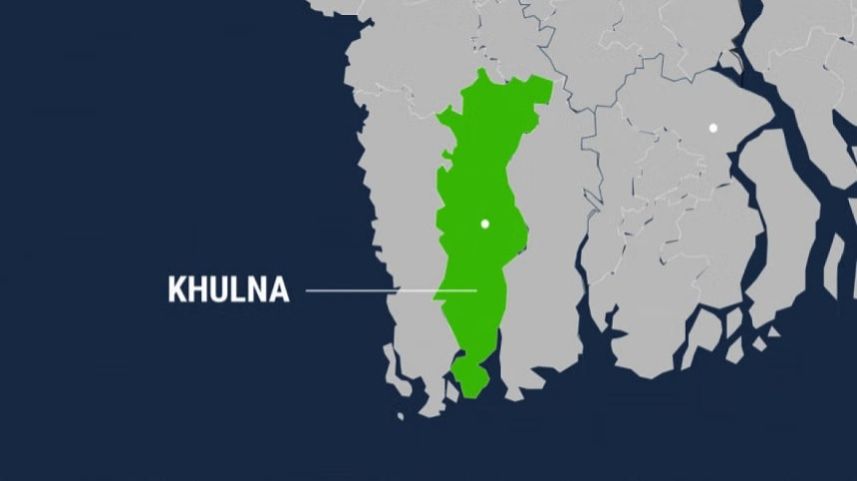
A horrific crime in the southern Bangladesh city of Khulna has concluded with a mother's judicial confession to murdering her adolescent daughter. Seema Akter appeared before Khulna Metropolitan Magistrate Ibrahim Khalil Muhim on Friday evening, July 10, and formally admitted to her involvement in the death of 17-year-old Arfan Hossain Nirjana, a class 10 student enrolled at Government Iqbal Nagar Secondary School. The confession marked a dramatic turn in an investigation that had initially pointed in a different direction, reflecting the complexity of unravelling family violence cases in Bangladesh.
The sequence of events unfolded three days before the confession when the teenager's decomposed body was discovered by residents in the Prantika Residential Area of Khulna's Sadar district. Her remains had been wrapped in a plastic sack and abandoned in front of a seven-storey building in the Nirala zone at approximately 10:00pm on Wednesday. The discovery sent shockwaves through the neighbourhood, and police immediately transported the body to Khulna Medical College Hospital's morgue where forensic specialists conducted a post-mortem examination to establish cause of death.
The identity of the victim was confirmed the following day when her mother, Seema Akter, travelled to the hospital after viewing photographs of the body circulating through social media channels. This identification process highlighted how digital platforms have become instrumental in linking missing persons cases to recovered remains across Bangladesh's urban areas. Nirjana had been a resident of the Bashupara Banshtala neighbourhood under the Sonadanga Model Police Station jurisdiction, placing her from a relatively modest residential district within the city.
Initial suspicions focused on Nirjana's husband following the discovery of her death. The teenager had been married just months earlier on April 21, 2024, and family members first suggested that her spouse might have been responsible for the fatal crime. This assumption reflected common patterns in Bangladesh where spousal violence claims significant media attention and investigative resources. However, as police expanded their questioning to include extended family members, the investigative narrative began to shift dramatically.
The turning point arrived when law enforcement officers analysed CCTV surveillance footage captured from cameras positioned throughout the residential area where the body was discovered. Forensic laboratory results combined with pathological findings from the autopsy report revealed details inconsistent with the initial domestic violence hypothesis. These multiple investigative strands—video evidence, laboratory analysis, and medical findings—collectively pointed away from the husband and toward someone with direct domestic access to the victim.
Both of Nirjana's parents underwent intensive police questioning as investigators methodically examined the family dynamics surrounding her death. Khulna Sadar Police Station Officer-in-Charge Md Shofiqul Islam confirmed that forensic analysis and CCTV examination had produced critical evidence that redirected the investigation toward household members. The gathering of this technical evidence proved essential in narrowing investigative focus, particularly given that initial witness accounts and family statements had suggested external perpetrators.
The confession by Seema Akter was formally recorded under Section 164 of Bangladesh's Code of Criminal Procedure, a legal mechanism requiring magistrates to document admissions from accused individuals. This procedure ensures that judicial records contain official recognition of criminal responsibility, providing evidentiary foundation for subsequent court proceedings. Following her statement, the magistrate ordered Seema Akter remanded into police custody pending further investigation and formal charges.
While the mother's culpability has now been established through judicial admission, the precise circumstances motivating the killing remain under investigation. Police and media sources indicate that Md Alim Hossain, the victim's father, remains in police custody for questioning, suggesting investigators believe he possessed knowledge of the crime or bore some involvement in the circumstances leading to the teenager's death. The continuing detention of the father indicates that the investigation has not concluded and authorities are pursuing multiple lines of inquiry regarding the family dynamics that preceded the murder.
Investigative officials have stated publicly that examination of all relevant evidence continues, with authorities determined to establish the complete factual and motivational context surrounding Nirjana's death. In the interim, police have indicated that she was likely killed at a different location before her body was transported to the Prantika Residential Area and abandoned. This transportation of remains suggests premeditation or at minimum conscious concealment of the crime by those involved. The case underscores how family-based violent crimes, which may initially appear externally motivated, often involve complex interpersonal dynamics that require sophisticated investigative techniques combining video analysis, forensic science, and witness testimony to resolve.
For Malaysian observers, the case reflects broader regional concerns regarding violence within family structures and the investigative challenges facing South Asian law enforcement agencies. The reliance on CCTV evidence and forensic methodology in solving the crime demonstrates how technological advancement has enhanced investigative capacity even in developing regions of the subcontinent. The case also highlights the dangers facing adolescent girls in South Asia, particularly in contexts involving arranged or early marriage, and the importance of robust family protection mechanisms across the region.

