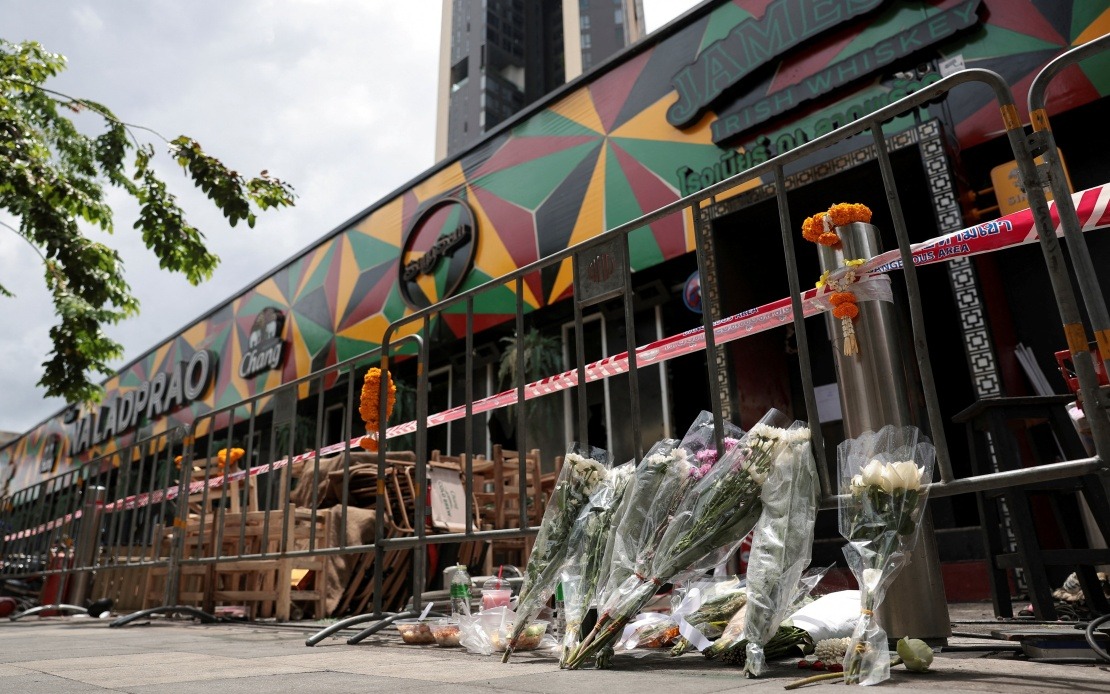
The death toll from a devastating fire at a Bangkok entertainment venue has climbed to 32 after two critically injured victims succumbed to their injuries while receiving treatment in hospital. Thai authorities confirmed the latest fatalities on Wednesday, two days after the blaze tore through Rong Beer Na Lat Phrao in the early hours of Monday night, claiming lives in what has become one of Thailand's deadliest recent fire disasters.
According to the Bangkok Emergency Medical Centre, known locally as the Erawan Centre, the two additional deaths occurred at Paolo Kaset Hospital and Nopparat Rajathanee Hospital. This brings to five the total number of victims who have perished after being hospitalised for injuries sustained in the inferno. The tragic progression of deaths in the days following the initial disaster underscores the severity of injuries sustained by those trapped inside the burning structure.
The human toll continues to mount across medical facilities. As of Wednesday morning, 79 people had been treated for injuries related to the fire. Of this number, 44 have since been discharged and returned home, while 30 remained under hospital care. The condition of those still hospitalised varies considerably: 15 patients occupy beds in intensive care units, where they receive specialised monitoring and treatment for critical injuries, while another 15 remain in general wards recovering from less severe but still significant trauma.
The immediate response from Thailand's political leadership reflects the gravity of the incident and rising public concern about safety standards. Prime Minister Anutin Charnvirakul issued direct orders to the Ministry of Interior on Tuesday, demanding a comprehensive nationwide inspection programme targeting buildings and entertainment venues. This sweeping directive signals official recognition that the tragedy may expose systemic vulnerabilities in how Thailand enforces safety regulations across its hospitality and entertainment sectors.
The inspection initiative represents a coordinated effort involving multiple government agencies and departments. The Bangkok Metropolitan Administration, responsible for the capital's day-to-day governance, will work alongside local administrative organisations to ensure compliance. The Department of Public Works and Town & Country Planning will assess structural integrity and emergency infrastructure, while the Royal Thai Police will conduct investigations into operational violations. This multi-agency approach suggests Thai authorities view the fire as symptomatic of broader compliance failures that demand urgent remediation.
Investigators have identified several critical factors as key lines of inquiry into what caused the fire to spread so rapidly and prove so deadly. Blocked or sealed emergency exits appear to have trapped patrons inside, preventing orderly evacuation. The interior of the venue contained flammable materials that intensified the blaze and accelerated its spread throughout the structure. Electrical faults represent another significant area under investigation, as faulty wiring or overloaded circuits may have ignited the initial fire.
For Southeast Asian readers, the Bangkok tragedy carries particular relevance. Entertainment venues similar to Rong Beer Na Lat Phrao operate throughout Malaysia, Singapore, Indonesia, and elsewhere across the region. Many such establishments operate in older buildings where retrofit safety measures may be inadequate, emergency protocols potentially underfunded, and enforcement historically lax. The incident raises uncomfortable questions about whether regulatory standards in the region's hospitality sector adequately prioritise patron safety.
The fire's timing—occurring shortly before midnight on a Monday—suggests the venue was operating at capacity with a substantial crowd inside. This amplified the evacuation challenge and contributed to the high casualty count. Entertainment venues across the region frequently operate in cramped spaces with limited egress points, a reality that combines with fire safety violations to create hazardous conditions that demand urgent attention from regulators and venue operators alike.
Thailand's announcement of nationwide inspections carries implications extending beyond its borders. Should the inquiry identify widespread non-compliance with fire safety codes, it may trigger similar review processes in neighbouring countries where comparable vulnerabilities might exist. Malaysian authorities, in particular, may scrutinise their own entertainment venue inspection regimes and enforcement mechanisms to ensure equivalent safety standards are being maintained and violations prosecuted.
The tragedy also highlights the gap between regulations on paper and their practical implementation. Entertainment venues, whether bars, clubs, or similar establishments, operate in a competitive environment where safety investments can appear to reduce profitability. Without consistent, rigorous enforcement and meaningful penalties for violations, some operators inevitably prioritise short-term costs over patron protection. The Bangkok fire demonstrates the lethal consequences of this calculus.
As investigations continue and victim counts stabilise, the focus will shift toward accountability and systemic reform. Questions will emerge about whether building permits were properly issued, whether safety inspections were conducted before the fire, and whether violations were documented but ignored. These inquiries will determine whether the tragedy represents an isolated incident or reveals endemic problems requiring comprehensive regulatory overhaul across Thailand's entertainment sector.

