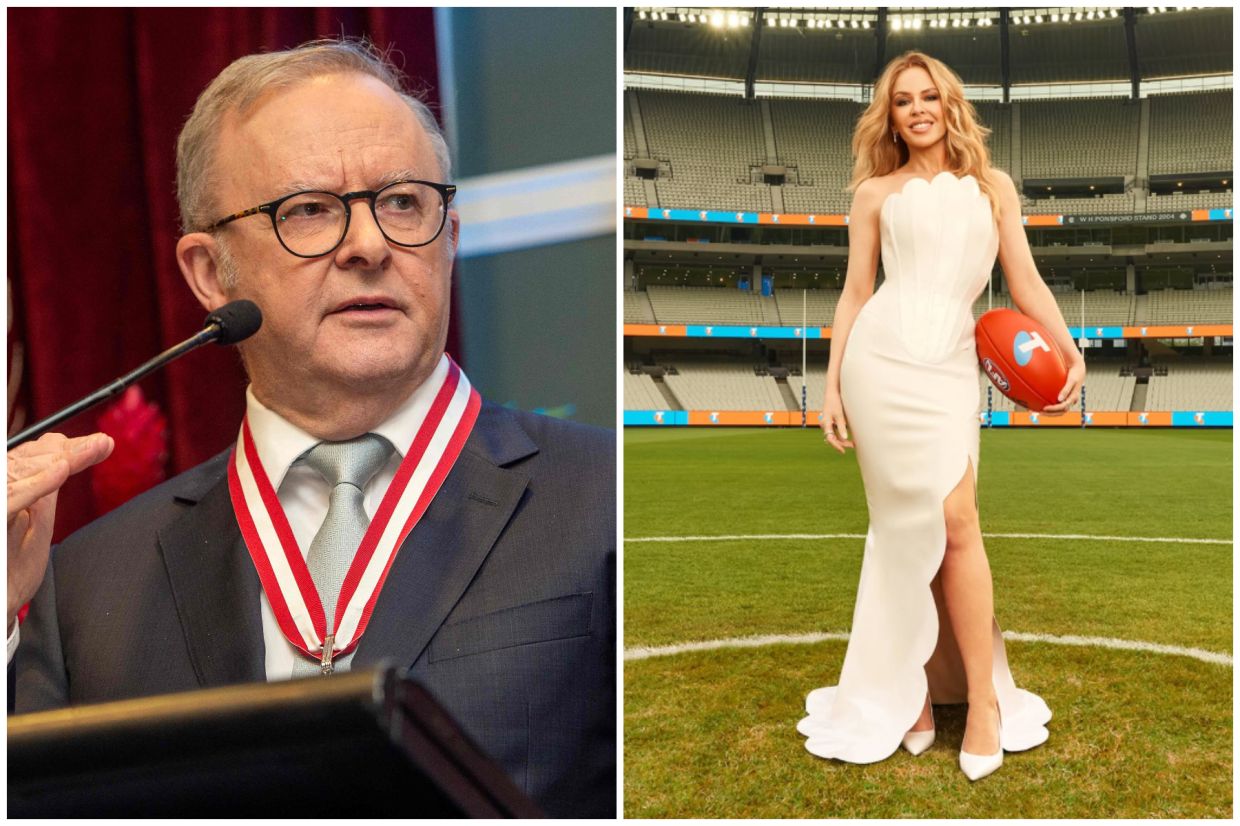
Australian Prime Minister Anthony Albanese has issued an unequivocal apology after making inappropriate sexual comments about global pop icon Kylie Minogue during a podcast interview, drawing sharp criticism from political colleagues and raising fresh questions about standards of conduct at the highest levels of government.
The controversy erupted following Albanese's appearance on a local comedy podcast where he participated in a popular entertainment segment asking public figures to nominate which Australian celebrity they would "shag, marry, date". Initially attempting to sidestep the question, the Prime Minister ultimately named Minogue, the country's "Princess of Pop", and when pressed by podcast host Nikki Osborne to clarify his ranking, responded that he would do "all of the above".
The remarks rapidly gained traction on social media and drew condemnation from political circles, with fellow lawmakers characterising the comments as an unfortunate lapse in judgement and describing them as disrespectful. The incident has intensified scrutiny of Albanese's public conduct and judgement, particularly given his position as head of government and custodian of the nation's standards of official decorum.
Minogue, who achieved initial stardom through her role in the Australian soap opera "Neighbours", has become one of the country's most successful cultural exports. Her global influence spans decades and encompasses music, fashion, and entertainment, making her a symbol of Australian soft power internationally. The Prime Minister's comments about her were therefore viewed not merely as a personal lapse but as potentially damaging to Australia's cultural reputation.
In his statement issued through official channels, Albanese sought to contain the political damage by offering a full apology without equivocation. The swift response reflected an attempt to move past the controversy before it could develop into a more significant challenge to his leadership or government credibility. However, the incident nonetheless represents a notable moment in which the Prime Minister's judgment came under public examination.
The controversy sits within a broader context of ongoing discussions about appropriate workplace behaviour and standards of conduct in Australian public life. As regional readers will recognise, similar debates about public figures' standards have occurred across Southeast Asia, from Singapore to the Philippines to Thailand, demonstrating that concerns about leadership conduct transcend national boundaries. What constitutes acceptable public speech, particularly for senior government officials, remains contested terrain globally.
For Malaysian observers, the incident offers instructive parallels with local political culture. While Malaysia has experienced its own controversies involving public figures and inappropriate comments, the Australian response—emphasising immediate apology and accountability—reflects different institutional norms. Malaysia's political landscape has historically been marked by more protracted disputes and occasional resistance to demands for accountability, suggesting differing standards of political conduct between Westminster-influenced democracies and the Malaysian system.
The podcast appearance itself reflects contemporary political strategy across developed democracies. Senior leaders increasingly seek to appear relatable and culturally engaged by participating in entertainment programming, yet such appearances carry inherent risks when informal settings encourage off-the-cuff remarks. This tension between accessibility and maintaining dignified public conduct will likely persist as political communication evolves.
Albanese's willingness to apologise promptly may serve to limit the reputational damage both to himself and to Australian government credibility. In comparative terms, such rapid acknowledgement of error differs from political responses in some other democracies, where leaders sometimes attempt prolonged defences or reframing of controversial statements. Whether this approach successfully closes the matter remains to be seen, though media attention appeared likely to move on to other issues.
The incident also underscores the particular pressures faced by pop culture figures of international standing. Minogue's status as a global ambassador for Australian talent means that commentary about her—even in informal settings—carries weight beyond typical celebrity gossip. The Prime Minister's involvement amplified the significance of what might otherwise have remained a minor podcast moment.
Moving forward, the episode may influence how Australian political leaders approach entertainment media appearances, potentially encouraging greater caution in participating in segments designed to elicit casual, unguarded responses. The risk-benefit calculus of seeking to appear accessible to younger audiences through comedy programming may shift in light of this incident and the subsequent backlash.

