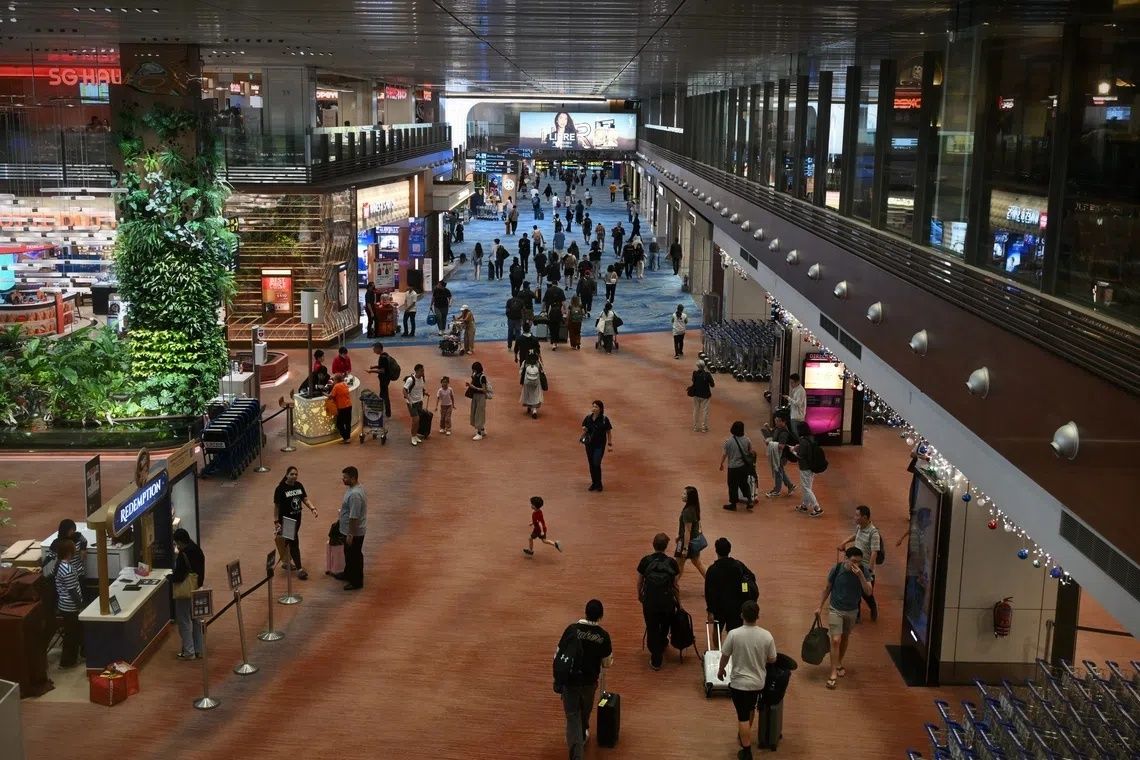
Singapore's police force has moved swiftly to prosecute two foreign nationals accused of theft at Changi Airport, demonstrating the continued effectiveness of surveillance technology in combating retail crime at one of Asia's busiest aviation hubs. A 37-year-old Australian traveller and a 50-year-old American passenger now face charges in court on August 17 following separate incidents involving the theft of premium fragrances from airport retail stores. The cases highlight an ongoing challenge faced by airport retailers and security officials across the region: managing theft by transiting passengers who believe the transient nature of airport environments offers them anonymity.
The first incident occurred on November 19, 2025, when staff at a perfume retailer in the Terminal 2 transit area discovered two boxes of fragrances missing from a display shelf around 6.45 pm. Security footage analysis proved crucial in identifying the culprit, revealing that the Australian man had taken the items, valued at approximately $430, roughly two hours earlier without paying. What distinguishes this case is the significant delay between the theft and the arrest. The suspect managed to leave Singapore before police could formally identify him, but his fortune changed eight months later when he transited through Changi Airport once more on August 4. Airport border security and police coordination systems flagged him, leading to his arrest before he could continue his journey.
The second case unfolded more rapidly, occurring in the early hours of August 5 at a retail outlet in Terminal 1's transit zone. A store assistant reported a missing perfume box valued at over $310 at approximately 1.25 am, having discovered the loss just moments after it took place. Law enforcement officers responded promptly and detained the American passenger before he could board his departing flight, preventing him from evading justice as his counterpart had initially done. The swift intervention proved vital in recovering not only the initially reported item but also uncovering a pattern of theft activity.
Further investigation and extended CCTV review revealed that the American man had engaged in a more systematic theft operation across multiple outlets within the terminal. Beyond the perfume reported missing, investigators identified two additional thefts from separate retailers: another box of fragrances worth approximately $170 and a perfume tester bottle valued at over $230. The cumulative value of his alleged thefts exceeded $717, substantially more than initially apparent from the single missing item report. All stolen merchandise was recovered and secured as evidence for the upcoming court proceedings.
The legal consequences for both men could be severe. Singapore's theft legislation, particularly the provision addressing theft in dwellings—which encompasses theft in any building or residence, including commercial retail spaces within airports—carries maximum penalties of seven years imprisonment, substantial fines, or a combination of both. This reflects the seriousness with which Singapore treats retail crime, even when perpetrated by foreign visitors. The charges underscore that jurisdiction over such offences extends to transit passengers, not merely those arriving as permanent entrants or residents.
The cases bear particular significance for Malaysian and broader Southeast Asian stakeholders in aviation and retail security. Changi Airport's status as a major regional hub means that travellers from across the region regularly pass through its terminals. The cases demonstrate that sophisticated security infrastructure, particularly closed-circuit television systems, now provides retailers and authorities with unprecedented capacity to identify offenders. The technology's reach has expanded significantly beyond real-time monitoring to include retrospective analysis that can identify suspects long after initial incidents occur, as evidenced by the eight-month gap in the Australian man's case.
Airport Commissioner M. Malathi issued a public statement emphasizing Singapore's zero-tolerance approach to retail theft, framing these arrests within a broader strategic narrative about crime deterrence. The official acknowledged that advancement in CCTV capabilities and their ubiquitous deployment by retailers have fundamentally altered the landscape for would-be thieves. Critically, Malathi stressed that even when offenders initially evade immediate capture and leave the country, investigative follow-up remains relentless and frequently leads to eventual identification and prosecution. This messaging serves a dual purpose: reassuring retailers of police commitment while warning potential criminals that the passage of time offers no genuine escape.
The operational coordination between Changi Airport's dedicated police unit and retail stakeholders emerges as a key factor in these successes. The airport authority has formalized partnerships with merchants to ensure rapid reporting of discrepancies and systematic CCTV cooperation. This framework enables quick response times when theft is detected, as illustrated by the American suspect's arrest before boarding. Beyond immediate apprehension, these partnerships facilitate the extended forensic work that uncovered his multiple thefts across different outlets.
For Malaysian retailers and airport operators, these incidents carry instructive lessons. As Southeast Asian airports increasingly compete for premium retail concessions and luxury brand placements, security protocols demand concurrent strengthening. The cases suggest that investment in video surveillance technology and staff training in loss detection represents not merely cost management but competitive necessity. Travellers passing through regional hubs expect safe, secure shopping environments, and lapses in security can damage airport reputations and brand confidence.
The timing of these arrests also reflects seasonal patterns in aviation crime. The November incident fell within the year-end travel rush, when airports experience peak passenger volumes and heightened retail activity. The August arrests occurred during a different seasonal window, suggesting retail theft at major hubs occurs year-round rather than concentrating in specific periods. This consistency argues for permanent, sustained security investment rather than temporary measures.
Looking forward, the successful prosecution of these cases may deter similar offences among transit passengers aware of Changi's surveillance capabilities. However, the eight-month interval before apprehension in the Australian man's case reveals that while technology identifies perpetrators, legal systems must act decisively to maximize deterrent effect. Delays between arrest and trial could diminish the cautionary message these cases might otherwise send to prospective offenders.
These prosecutions ultimately reflect the maturation of security infrastructure across premium international airports in Asia-Pacific. Changi Airport's capacity to track, investigate, and apprehend suspects across extended timeframes demonstrates the region's growing sophistication in addressing transnational retail crime. As Malaysian and regional airports continue upgrading their own systems, the Changi cases offer both a template and a reminder that security effectiveness requires not just technology but also sustained institutional commitment and inter-agency cooperation.

