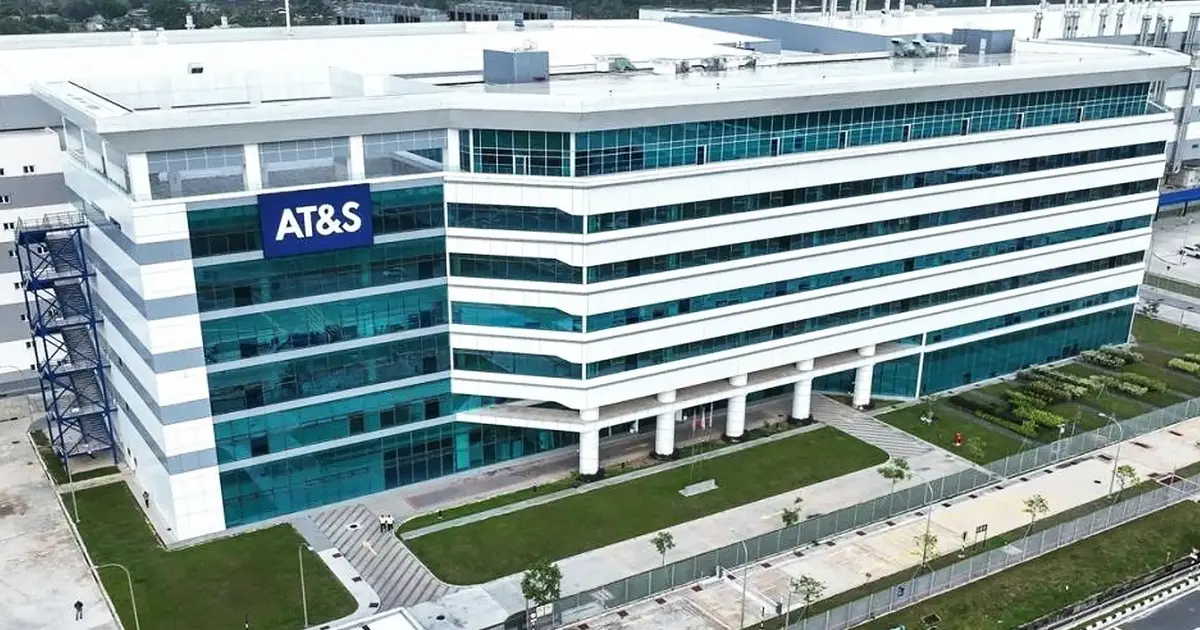
Austria's AT&S has committed RM9.4 billion towards establishing advanced manufacturing facilities in Kulim, Kedah, marking a substantial boost for Malaysia's semiconductor and electronics sector. Prime Minister Anwar Ibrahim highlighted the investment as a testament to growing international confidence in Malaysia's governance standards and economic fundamentals, underscoring the country's attractiveness as a destination for high-value manufacturing operations in the technology space.
The Kulim facility represents a strategic expansion for AT&S, a company with deep roots in printed circuit board and advanced electronics manufacturing. This investment signals that major multinational technology companies continue to view Malaysia as a critical location for semiconductor-related production despite regional competition and global supply chain uncertainties. The decision comes at a time when the global electronics industry is reshoring production and diversifying manufacturing bases away from concentrated geographies, creating opportunities for established Southeast Asian hubs.
Anwar's emphasis on governance reflects a broader narrative that Malaysia is building competitive advantages beyond labour costs and geographic location. International investors increasingly scrutinize regulatory frameworks, transparency, and institutional stability when making long-term capital commitments in the manufacturing sector. The AT&S announcement suggests that Malaysia's recent efforts to strengthen institutional credibility and implement governance reforms are resonating with foreign business leadership, particularly in capital-intensive industries where regulatory predictability matters significantly.
The Kulim investment arrives at a critical juncture for Malaysia's electronics sector. The country has historically been a major hub for semiconductor assembly, testing, and packaging, but faces pressure from competitors including Vietnam, Thailand, and Indonesia, which are aggressively courting tech manufacturers with incentive packages and infrastructure development. AT&S's decision to expand here rather than elsewhere in the region indicates that Malaysia's existing ecosystem—including skilled workforce, established supply chains, and industrial infrastructure—remains compelling to sophisticated investors.
For Kedah specifically, this investment represents a major economic opportunity. Kulim has been positioned as a strategic industrial zone, and the RM9.4 billion commitment will likely generate significant employment, attract ancillary service providers, and stimulate local economic activity. The project's scale suggests meaningful construction and operational phases, which will have multiplier effects across the state economy through procurement, logistics, and professional services spending.
The announcement also carries implications for Malaysia's broader technology ambitions. As the country seeks to move beyond traditional electronics assembly towards higher-value semiconductor design and manufacturing, anchor investments from established European and North American technology companies validate the strategy. AT&S's presence strengthens the ecosystem by bringing technical expertise, quality standards, and international connections that benefit the wider industry.
From a regional perspective, the Kulim investment underscores Malaysia's enduring competitive position within ASEAN's technology sector. While newer manufacturing destinations have gained attention, Malaysia's combination of geographic advantages, existing industrial clusters, and policy support continues to attract world-class investors. This investment may influence other technology companies evaluating regional expansion, potentially triggering additional capital flows into Malaysian electronics manufacturing.
The timing of the announcement also reflects confidence in Malaysia's economic recovery trajectory. International investors typically time major commitments to align with positive growth outlooks and stable macroeconomic conditions. The decision to invest RM9.4 billion suggests AT&S's leadership believes Malaysia offers attractive medium to long-term returns, despite near-term uncertainties in global semiconductor markets and supply chain dynamics.
Anwar's framing of the investment as validation of governance improvements carries political significance as well. The government has prioritized institutional reform and anti-corruption measures, and major foreign investments serve as tangible evidence of success in these efforts. However, sustaining this investor confidence requires consistent execution—maintaining predictable regulatory environments, protecting intellectual property, and ensuring infrastructure quality over the multi-year implementation period.
The Kulim project will likely require supporting investments in utilities, transportation, and logistics infrastructure. Coordination between federal and state authorities will be essential to ensure facilities and services align with AT&S's technical and operational requirements. Efficient project execution could establish a template for future major investments, while delays or complications might signal to other potential investors that Malaysia faces challenges in delivering on infrastructure commitments.
Manpower implications deserve attention as well. AT&S will require engineers, technicians, and skilled workers across multiple disciplines. This investment creates opportunities for Malaysian vocational training institutions and universities to develop relevant capabilities, though it may also necessitate targeted recruitment from overseas for specialized roles. The presence of multinational technology companies typically elevates wage standards and working conditions across local labour markets, benefiting the broader workforce.
Looking ahead, the AT&S commitment positions Malaysia within global semiconductor supply chains at a moment of significant industry transformation. As advanced economies pursue chip security and supply chain resilience, Malaysia's role as a manufacturing hub becomes increasingly strategic. Continued investments like this one strengthen Malaysia's position as an indispensable part of global technology production networks, supporting long-term economic growth and technological capability development across the region.