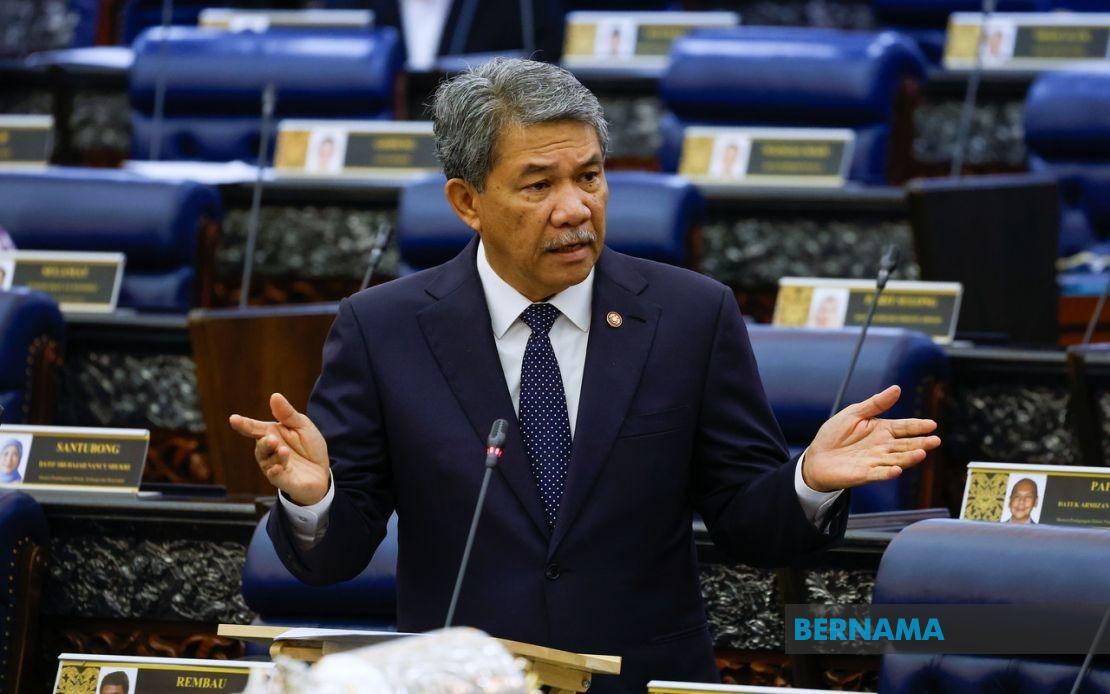
Malaysia's Foreign Minister Datuk Seri Mohamad Hasan has signalled that ASEAN is preparing to pivot its approach towards resolving Myanmar's deepening political crisis, acknowledging that the bloc's longstanding peace framework has failed to deliver concrete results despite months of diplomatic engagement. Speaking in Parliament on June 25, Mohamad indicated that regional leaders recognise the Five-Point Consensus, adopted as ASEAN's primary mechanism for conflict resolution, requires fresh thinking and revitalised implementation strategies to succeed.
The Five-Point Consensus, first introduced at an emergency ASEAN summit in April 2021, has long served as the diplomatic bedrock for regional efforts to address Myanmar's crisis. The framework calls for immediate cessation of violence, dialogue among all parties, humanitarian assistance, mediation by an ASEAN envoy, and visits to Myanmar by the envoy. However, the military junta's inconsistent compliance and the fractured state of Myanmar's political landscape have repeatedly tested ASEAN's unity and the framework's relevance.
During the 48th ASEAN Summit held in Cebu, Philippines, on May 8, regional leaders tasked their foreign ministers with conducting informal consultations with Myanmar's authorities to evaluate the trajectory of developments and chart potential pathways forward. This assignment reflects a significant tactical shift from ASEAN's previous approach, moving away from rigid adherence to the original framework towards more flexible, iterative engagement designed to respond to Myanmar's rapidly changing political and military situation.
The Malaysian foreign minister's comments reveal the nuanced challenge facing ASEAN in maintaining credibility while balancing non-interference principles with the urgent need for tangible progress. While Mohamad emphasised that the Five-Point Consensus remains the foundational document for peace efforts, he acknowledged that ASEAN recognises the necessity for collaborative reimagining of how the consensus should be operationalised. Any modifications to the framework, however, would require approval from all ASEAN heads of state, reflecting the consensus-based decision-making that has long characterised the bloc's institutional culture.
A critical element of Malaysia's diplomatic initiative involves extending Myanmar's six-month ceasefire agreement, which was scheduled to expire at the end of July, into a second phase that could support broader peacebuilding objectives. By proposing an extension, Malaysia seeks to preserve the temporary stability achieved during the initial ceasefire period and create additional time for negotiators to construct more comprehensive peace architecture. This strategy implicitly acknowledges that the original ceasefire, while valuable, represents merely a preliminary step rather than a sustainable solution.
Mohamad further highlighted Malaysia's advocacy for Myanmar to develop an explicit roadmap detailing the continuation of peace negotiations and the mechanisms for inclusive dialogue involving all significant stakeholders. This push for transparency and clear timelines addresses a persistent frustration within ASEAN: Myanmar's military leadership has frequently offered vague assurances about future political processes without committing to specific benchmarks or inclusive consultation procedures that would engage the National Unity Government, People's Defence Force, ethnic armed organisations, and civil society representatives.
Underlying ASEAN's recalibration of strategy is a deeper geopolitical anxiety concerning Myanmar's potential marginalisation from regional frameworks. Senior officials within the bloc fear that protracted failure to resolve Myanmar's crisis through ASEAN-led mechanisms could create a strategic vacuum that would inevitably attract intervention from external powers pursuing their own interests. This calculation particularly concerns major powers with historical stakes in Myanmar, as unresolved conflict and institutional collapse could provide openings for competing regional and global actors to establish influence through military, economic, or political channels.
Malaysia's comprehensive engagement architecture reflects recognition that durable peace requires multi-track diplomacy extending across Myanmar's fractured political landscape. By maintaining dialogue with the military government, the National Unity Government representing ousted civilian leadership, the People's Defence Force opposing the junta, and various ethnic armed organisations, Malaysia positions itself as a bridging entity capable of facilitating conversations across ideological and factional divides. This approach distinguishes Malaysia's diplomatic posture from other ASEAN members and underscores the country's commitment to being perceived as an honest broker among Myanmar's competing power centres.
The broader challenge for ASEAN centres on reconciling its foundational principle of non-interference in member states' internal affairs with the growing recognition that passive observation of Myanmar's deterioration serves neither regional stability nor humanitarian imperatives. The bloc faces mounting pressure from both internal constituencies concerned about refugee flows and border security, and international partners questioning whether ASEAN's diplomatic tools remain adequate for twenty-first century conflict resolution. The Five-Point Consensus, designed for a different political moment when military intervention appeared reversible, now confronts a situation where entrenched institutional interests have calcified around competing claims to legitimacy.
Moving forward, the success of ASEAN's recalibrated approach will hinge on whether foreign ministers can identify concrete incentives or pressures that might motivate Myanmar's various power holders to commit to substantive dialogue. The extended ceasefire period offers a window for intensive shuttle diplomacy and confidence-building measures, though sceptics question whether any ASEAN mechanism possesses sufficient leverage to overcome Myanmar's internal dynamics. The regional bloc's credibility on Myanmar increasingly depends on demonstrating that its reimagined strategy produces measurable progress rather than merely extending existing stalemates under new diplomatic language.

