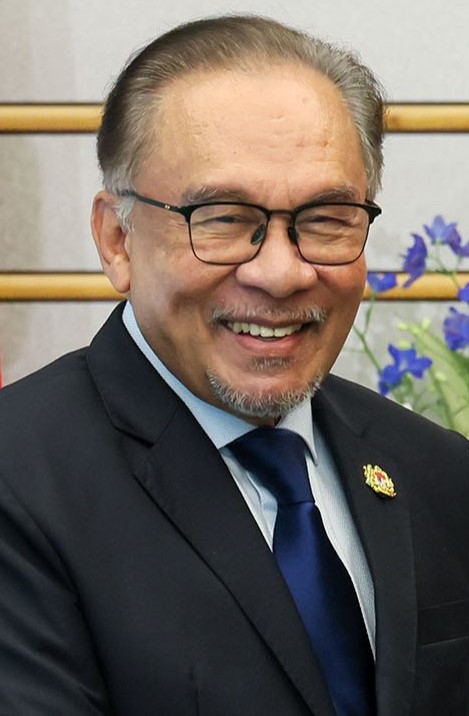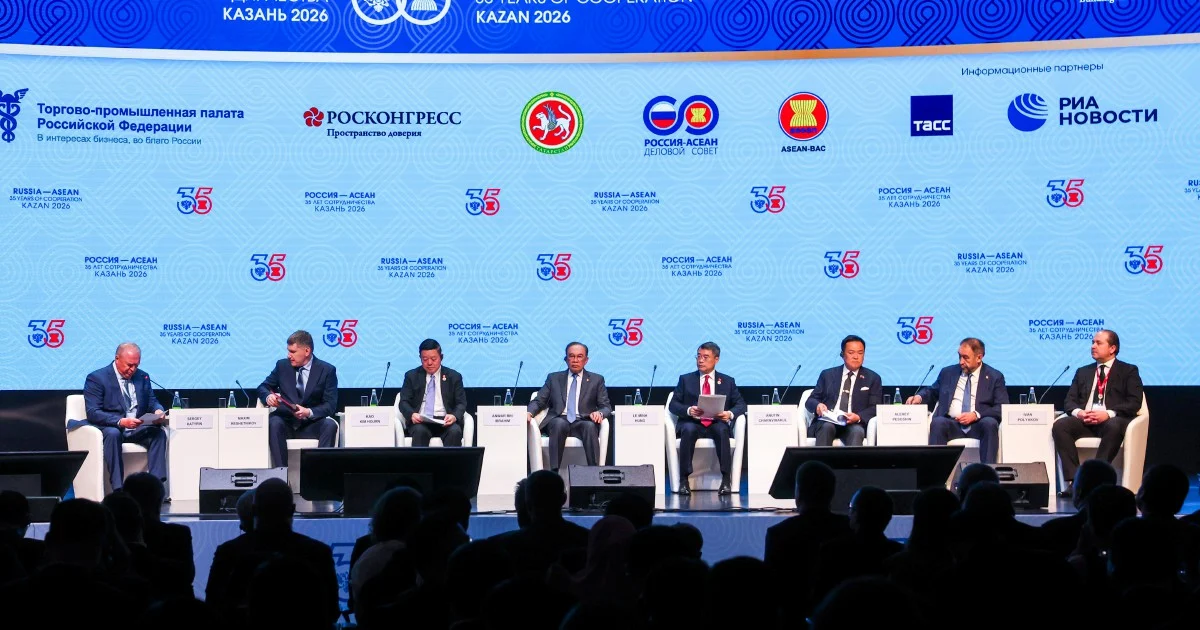
Prime Minister Datuk Seri Anwar Ibrahim has called for the 10-member Association of Southeast Asian Nations and Russia to significantly expand their collaborative framework across multiple strategic sectors, signalling Malaysia's commitment to deepening engagement beyond traditional Western partnerships. Speaking from Kazan, Anwar identified food security and energy independence as cornerstones of regional prosperity, reflecting growing concerns across Southeast Asia about supply chain vulnerabilities and the quest for diversified energy sources amid global geopolitical shifts.
The Prime Minister's remarks underscore a broader regional strategy to cultivate pragmatic relationships with major powers irrespective of ideological orientation. For Malaysia and other Asean capitals, Russia represents an alternative partner capable of addressing immediate economic challenges, particularly as members grapple with inflationary pressures and infrastructure development ambitions. By positioning food and energy cooperation at the forefront of the agenda, Anwar acknowledges that Southeast Asia's stability depends fundamentally on securing reliable supplies of both commodities, vulnerabilities that recent global disruptions have laid bare.
Food security carries particular resonance for Asean economies where populations depend heavily on agricultural productivity and imported staples. Russia, as a major grain and fertiliser exporter, holds considerable leverage in this domain, though Western sanctions have complicated existing trade relationships. Anwar's emphasis on this sector suggests Malaysia and other bloc members are actively exploring ways to circumvent geopolitical constraints and establish direct supply relationships that insulate the region from external shocks. Enhanced agricultural cooperation could include technology transfer, joint research initiatives, and preferential trade arrangements benefiting smallholder farmers throughout Southeast Asia.
Energy cooperation presents similarly strategic opportunities, particularly for nations like Malaysia and Thailand seeking to diversify away from exclusive reliance on Middle Eastern oil and liquefied natural gas suppliers. Russian energy exports, combined with technical expertise in resource extraction and processing, offer practical solutions to rising demand across a region experiencing sustained economic growth. Deeper engagement on hydrocarbon markets and potential investments in energy infrastructure would strengthen Asean's negotiating position when dealing with other major suppliers while reducing vulnerability to price volatility and supply interruptions.
Beyond traditional sectors, Anwar's reference to advanced manufacturing reflects Asean's aspirations to move up the global value chain. Russian industrial expertise, particularly in automotive components, machinery, and metallurgical processes, could complement existing manufacturing ecosystems across the bloc. Joint ventures and technology partnerships would enable Southeast Asian countries to absorb sophisticated production techniques while offering Russian firms access to lower-cost labour and established supply networks. This cooperation carries implications for regional competitiveness, potentially attracting investment from multinational corporations seeking diversified production bases outside China and Western Europe.
Digital technology cooperation addresses perhaps the most dynamic sector shaping future prosperity. Russian innovation in artificial intelligence, cybersecurity, and software development could accelerate digital transformation across Asean member states, though concerns about data sovereignty and security frameworks must be carefully managed. Educational exchanges and research collaborations in emerging technologies would build human capital within the region while creating people-to-people connections that transcend political friction. For Malaysia specifically, enhanced digital partnerships could bolster Kuala Lumpur's positioning as a regional technology hub.
Educational cooperation mentioned by Anwar encompasses both technical training and cultural exchange, traditionally areas where Russia maintains substantial soft power. Scholarship programmes, academic partnerships, and vocational training initiatives would cultivate a generation of Southeast Asian professionals familiar with Russian methods and perspectives. This long-term investment in human development produces spillover benefits extending far beyond immediate economic metrics, fostering mutual understanding and reducing susceptibility to mutual misperceptions that often plague great power relations.
Anwar's emphasis on multilateral frameworks rather than bilateral arrangements reflects Asean's institutional preferences and commitment to maintaining the bloc's centrality in regional affairs. Rather than individual countries pursuing separate Russian partnerships, coordinated Asean-level engagement ensures smaller states retain leverage and prevents stronger members from monopolising relationships. This approach protects Malaysia's interests by embedding any Russia cooperation within broader regional mechanisms where consensus-seeking remains paramount.
The timing of Anwar's remarks from Kazan carries significance, occurring amid continued Western sanctions against Russia and heightened scrutiny of Asian countries maintaining engagement with Moscow. By publicly advocating expanded cooperation, Anwar signals that Malaysia will not align itself exclusively with Western policy preferences, asserting the right to pursue national interests through pragmatic partnerships. This positioning resonates with Asean's foundational principle of non-interference in internal affairs and reflects broader regional sentiment that economic survival sometimes requires difficult choices transcending ideological preferences.
However, deepening Asean-Russia ties presents genuine complications. Western governments have explicitly cautioned Asian partners against strengthening relationships that might undermine sanctions regimes, occasionally threatening consequences for companies and financial institutions facilitating such cooperation. For Malaysia and other bloc members, navigating these pressures while maintaining relationships across different power blocs requires considerable diplomatic sophistication. The challenge intensifies as geopolitical competition between Russia, the West, and China creates overlapping spheres of influence within Southeast Asia itself.
Implementing expanded cooperation frameworks requires translating Anwar's vision into concrete institutional arrangements and funding mechanisms. Establishing joint committees, coordination bodies, and capacity-building programmes demands sustained political commitment and technical expertise that varies significantly across Asean member states. Differences in economic development, governance systems, and existing relationships with other powers create uneven enthusiasm for deepened Russian engagement, potentially limiting the bloc's ability to present a unified negotiating position.
For Malaysia specifically, expanded Asean-Russia cooperation offers opportunities to diversify economic partnerships and reduce dependence on traditional Western suppliers while enhancing regional influence within broader Asean councils. However, success depends on careful management of Western sensitivities and maintenance of existing relationships that remain crucial for Malaysian prosperity. Anwar's measured emphasis on pragmatic cooperation without antagonising traditional partners reflects the delicate balancing act required of Southeast Asian policymakers navigating an increasingly multipolar international system.