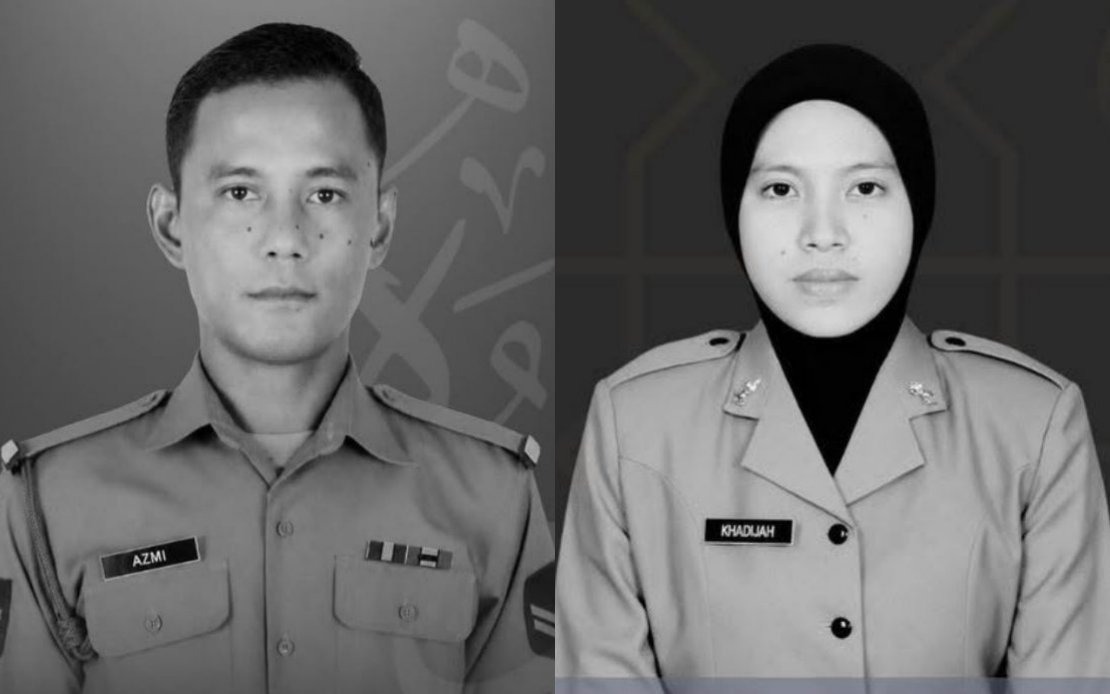
A tragic training accident has claimed the lives of two Malaysian Army personnel at a military facility in Kedah, with the Defence Ministry confirming their identities on June 16. Corporal Norazmi Abu Bakar, attached to the 6th Battalion of the Royal Malay Regiment, and Private Siti Khadijah Sungip, serving with the 1st Squadron of the Royal Army Engineers Regiment, were fatally injured in an explosion that occurred during grenade-throwing exercises at the Hobart Camp shooting range near Gurun. The incident, which happened at 10.57 am, represents a sobering reminder of the inherent risks that military personnel face during routine training operations.
Both soldiers sustained injuries of such severity that they could not survive the journey to medical facilities. Emergency responders transported them to Sultan Abdul Halim Hospital in nearby Sungai Petani, but medical staff were unable to revive them upon arrival. The two were pronounced dead shortly after being admitted, marking a devastating loss for their respective units and the broader Malaysian military community. Their remains have since been transferred to Sultanah Bahiyah Hospital in Alor Setar, where post-mortem examinations will be conducted to establish the precise nature and extent of their injuries.
The accident occurred during what the Army described as RAJD Combat Enhancement Training, a programme operated under the purview of the 2nd Infantry Division. This training regimen is designed to develop and refresh combat skills among military personnel, with grenade-throwing being a core component of infantry preparation. The Hobart Camp facility, which serves as a designated training ground for such exercises, is typically subject to established safety protocols designed to minimise risk during live ordnance handling. The occurrence of a fatal explosion at such a facility raises questions about adherence to safety procedures and equipment integrity.
General Tan Sri Azhan Md Othman, the Chief of the Malaysian Army, has responded swiftly by initiating a comprehensive investigation into the circumstances surrounding the blast. The investigation's scope will encompass all aspects of the training exercise, including adherence to safety regulations, the condition of equipment used, the competence and certification of instructors, and any environmental or procedural factors that may have contributed to the incident. Such inquiries typically require several weeks to complete, as investigators must interview witnesses, examine physical evidence, and reconstruct the sequence of events leading up to the explosion.
The General's response extended beyond investigative action to include expressions of sympathy for the families affected. He conveyed formal condolences to the bereaved relatives and urged them to draw strength from community support during what will undoubtedly be an emotionally devastating period. In the Malaysian military context, such expressions from senior leadership carry significant weight and underscore institutional acknowledgment of the sacrifice inherent in military service. The families of both deceased personnel are likely to qualify for military bereavement support and veteran benefits, though administrative processes for such assistance often require considerable time to navigate.
Military training fatalities, while uncommon in peacetime operations, are not unprecedented in armed forces globally. The challenge facing military institutions centres on balancing the necessity of realistic, challenging training with the imperative to minimise preventable deaths and injuries. Training exercises that employ live explosives inherently carry risk, and even minimal probability events occasionally result in tragedy. The Malaysian Army's commitment to reviewing safety protocols following this incident reflects a recognition that training programmes must continuously evolve to incorporate lessons learned from accidents and near-misses.
The Army's statement that it will review and enhance all aspects of training safety represents a procedural commitment that extends beyond the specific circumstances of this incident. Such reviews typically examine not only the immediate cause of an accident but also broader systemic factors including training curricula, equipment maintenance schedules, instructor qualification standards, and documentation procedures. Implementation of findings from such reviews can require substantial institutional changes, potentially affecting training schedules and resource allocation across multiple units.
For Malaysian readers, this incident carries particular significance given the visible role the military plays in national defence and civil society. The death of military personnel during training exercises, rather than in combat operations, generates reflection on how the military manages occupational hazards. Public confidence in military institutions depends partly on perception that safety measures are adequately implemented and continuously improved. Transparency regarding investigation outcomes and corrective actions can either reinforce or undermine such confidence.
The incident also reflects broader regional patterns in military training. Across Southeast Asia, armed forces conduct similar training exercises, and fatal accidents, while rare, do occur. Information sharing about safety improvements and incident investigation results among regional military establishments can facilitate adoption of best practices and reduce the likelihood of similar incidents recurring elsewhere. Regional military cooperation frameworks increasingly encompass occupational safety and health standards alongside traditional operational and strategic considerations.
Looking forward, the investigation findings and subsequent corrective actions will likely receive attention not only within military circles but also among parliamentary committees and civil society organisations concerned with military accountability. Malaysia's democratic institutions provide mechanisms for public scrutiny of military operations, including training safety. Media coverage of the incident and its investigation outcomes can contribute to public understanding of both the challenges military organisations face and the measures they employ to manage risk.
The loss of Corporal Norazmi Abu Bakar and Private Siti Khadijah Sungip represents a personal tragedy for their families and a professional loss for their units. Their deaths underscore the reality that military service, even during peacetime training, carries inherent dangers. The Army's commitment to investigating this incident thoroughly and improving safety protocols reflects institutional responsibility, though such commitments provide no comfort to grieving families. The coming weeks will reveal whether investigative findings identify preventable failures or unavoidable accidents, information that will shape both military practice and public understanding of the risks military personnel navigate.